Ant control Pittsburgh PA that clears the colony, not just the trail
Same-day ant exterminator Pittsburgh PA visits across Allegheny County
Ant control Pittsburgh PA starts with finding the nest, not spraying the line of ants on your kitchen floor. We track trails back to the colony, treat the source, and seal the entry points your home already has. Whether you are seeing big black carpenter ants in a Squirrel Hill porch beam or tiny pavement ants in a Lawrenceville kitchen, we handle it. Our team has served Pittsburgh, Pennsylvania since 2018.
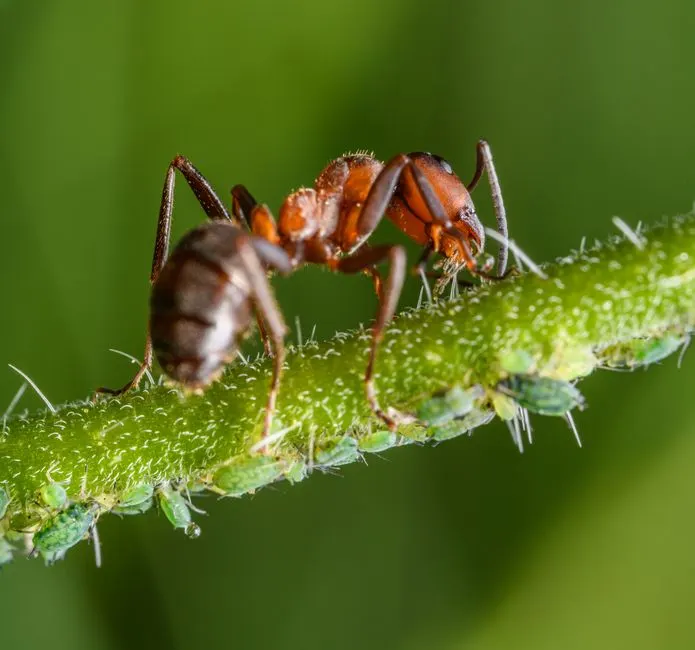
What ant control Pittsburgh PA actually involves
Ant control Pittsburgh PA is a targeted pest management service that locates ant colonies, treats them at the source, and blocks the entry points ants use to get inside. A proper visit starts with identification, because the ant species changes everything. Carpenter ants chew galleries through damp wood and can do structural damage over years. Pavement ants and odorous house ants nest in wall voids, under slabs, and inside insulation. We inspect with UV flashlights and moisture meters, follow trails to the nest, then apply the right material for that species.
Pittsburgh homes give ants plenty of reasons to move in. Our older housing stock in Bloomfield, Polish Hill, and the South Side Slopes has plenty of gaps around sill plates, radiator pipes, and stone foundations. Wet springs and humid summers push colonies indoors looking for dry nesting space. If you have been searching for ant control in Pittsburgh Pennsylvania near me because the same trail keeps coming back after store-bought spray, that is normal. Retail sprays kill the workers you see and leave the queen untouched.
Why Pittsburgh homeowners call us for ants
Ant problems do not fix themselves, and the wrong product makes them worse. Here is what a proper treatment gets you.
Colony-level elimination
We treat the nest, not just the visible trail. Non-repellent products like fipronil and imidacloprid let foraging ants carry the material back to the queen, which collapses the colony over 7 to 14 days instead of scattering it into new rooms.
Carpenter ant damage stopped
Carpenter ant control Pittsburgh Pennsylvania jobs get a full moisture inspection first, because these ants only nest in wet, softened wood. We find the saturated sill or leaking downspout feeding the colony, treat the galleries, and tell you exactly what to repair so they do not return next spring.
Entry points sealed for good
Trails come back because the openings stay open. We seal gaps around utility lines, sill plates, and foundation cracks with exclusion mesh and sealant, which cuts re-entry routes and makes the next treatment last far longer.
Kitchen-safe, pet-safe application
We use bait stations and crack-and-crevice applications instead of broadcast spraying, keeping product off counters, food surfaces, and floors where kids and pets play. Every technician holds a PA Department of Agriculture Pesticide Applicator License.
What to expect from our ant treatment
Five steps, one visit for most homes, and a clear answer on what is causing the problem before we treat anything.
Phone triage
You describe what you are seeing: size, color, where the trail runs, and how long it has been there. That tells us whether you likely have carpenter ants, pavement ants, or odorous house ants before we arrive. Most calls get a same-day or next-day window.
Full inspection
We walk the interior and exterior, checking kitchens, bathrooms, basements, porches, and foundation lines. UV flashlights and moisture meters help us find hidden trails and wet wood. Expect 30 to 45 minutes on a typical Pittsburgh home.
Species ID and source
We confirm the species and locate the nest or nests. Carpenter ants often nest in wall voids, porch columns, or tree stumps near the house. Knowing the source is what separates a real fix from a repeat visit.
Targeted treatment
We apply bait stations, crack-and-crevice treatments, and a perimeter barrier using products from Bell Laboratories, BASF, or Syngenta. Interior work takes about 45 minutes; exterior perimeter work adds another 20 to 30.
Follow-up and prevention
We schedule a follow-up 10 to 14 days out to check activity and re-treat if needed. You get a written summary of what we found, what we used, and the repairs or moisture fixes that will keep ants from coming back.
Eight years of Pittsburgh ant work
We have been treating ants in Pittsburgh since 2018, which means we have worked the same housing stock, the same wet basements, and the same hillside foundations hundreds of times. Our technicians carry a PA Department of Agriculture Pesticide Applicator License and follow Integrated Pest Management (IPM) Certified practices, which means we identify first, treat second, and use the least product that solves the problem. We are an NPMA Member and a Pennsylvania Pest Management Association Member, and we keep up with the label changes and resistance issues that affect which products actually work in Allegheny County.
- Licensed by the PA Department of Agriculture as Pesticide Applicators
- Integrated Pest Management (IPM) Certified approach on every ant job
- NPMA Member and Pennsylvania Pest Management Association Member
- 8 years treating Allegheny County homes, from 2018 to today
- Carpenter ant, pavement ant, and odorous house ant specialists
Why our ant control Pittsburgh PA service works
Ants are one of the few pests where the wrong product genuinely makes the problem worse. We treat the colony, not the symptom, and we tell you what to fix so it stays fixed.
We find the nest
Spraying a trail kills the ants you can see and leaves the colony intact. We trace trails back to the nest, which is often in a wall void, under a slab, or inside a porch beam. That is the difference between a two-week fix and a two-year problem.
Same-day ant exterminator Pittsburgh PA
Most calls placed before noon get a same-day visit, and we run 24/7 emergency scheduling for active carpenter ant infestations. If you are watching ants come out of a ceiling or floor, call us and we will get someone out.
Honest pricing, no surprise add-ons
You get a clear price before we start. Standard ant treatments run $180 to $450 depending on square footage, species, and how many nests we find. If a job needs more than that, we tell you why before we begin.
We fix the cause, not just the ants
Carpenter ants need wet wood. Odorous house ants need a moisture source and a gap. We point out the leaking downspout, the failed flashing, or the unsealed utility line that is feeding the problem, so you are not calling us again every spring.
What our ant control service includes
Every ant job starts with an inspection and species ID, then moves to treatment and prevention. Here is what is covered in a standard visit, and what we quote separately if your situation needs it.
What's Included
Full interior and exterior inspection
We check kitchens, bathrooms, basements, crawl spaces, porches, and the exterior perimeter. UV flashlights and moisture meters help us find hidden trails and the wet wood carpenter ants need.
Species identification and nest location
We confirm whether you have carpenter ants, pavement ants, odorous house ants, or another species, and we locate the nest. This determines which product we use and where we apply it.
Targeted bait and crack-and-crevice treatment
We place bait stations and apply non-repellent products like fipronil or imidacloprid in the cracks and voids ants travel. This is what gets the colony, not just the visible workers.
Exterior perimeter barrier
We treat the foundation line, entry points, and any trailing areas outside the home. This blocks re-entry and reduces the chance of a new colony moving in from the yard.
Follow-up visit at 10 to 14 days
We come back to check activity and re-treat if needed. Most ant jobs resolve in one to two visits, and the follow-up confirms the colony is down.
Written summary and prevention notes
You get a short report on what we found, what we used, and the moisture or exclusion repairs that will keep ants from returning. That list is often the most valuable part of the visit.
Ant problems we solve in Pittsburgh homes
Ants are rarely just an ant problem. Here is what we see most often in Pittsburgh, and what happens if you leave it alone.
Carpenter ants tunneling through porch beams and sill plates
Over two to three seasons, carpenter ant galleries weaken structural wood. Repair costs run into the thousands, and the damage is often hidden until a beam or joist fails.
We locate the nest, treat the galleries with non-repellent products, and identify the moisture source feeding the colony. We then tell you which wood needs repair so the ants do not return to the same spot next spring.
Pavement ants trailing across kitchen counters every spring
Pavement ants contaminate food surfaces and are hard to eliminate with retail sprays, because the colony lives under the slab and the workers you see are a small fraction of it.
We trace the trail back to the slab entry, use bait stations that workers carry back to the queen, and seal the crack they are using. Most kitchen pavement ant jobs resolve in one to two visits.
Odorous house ants nesting in wall voids and insulation
These ants split into multiple sub-colonies when disturbed, so spraying one trail often produces three new ones. Left alone, they spread through the wall cavities of an entire floor.
We use non-repellent bait so workers carry the material back without triggering colony splitting, and we treat the moisture source in the wall void. Follow-up at 10 to 14 days confirms the colony is down.
Ants returning every year despite DIY treatments
Store-bought sprays kill the visible workers and leave the queen laying eggs. The trail comes back within weeks, and the colony often relocates deeper into the structure.
We treat the colony at the source and seal the entry points, which is the part DIY treatments miss. Our affordable ant removal in Pittsburgh PA pricing starts at $180 for standard homes.
When Pittsburgh homeowners call us for ants
Large black ants appearing in a Squirrel Hill kitchen in February, when nothing should be active outside.
Winter ant activity almost always means an indoor carpenter ant nest. We inspect the surrounding wall voids and any damp wood nearby, treat the galleries, and identify the moisture source.
Colony eliminated in one to two visits, plus a repair list that prevents the same nest from reforming next winter.
Small ants trailing along a Lawrenceville kitchen counter every morning, gone by afternoon.
Classic pavement or odorous house ant behavior. We trace the trail to the entry point, place bait stations along the route, and seal the crack or gap they are using.
Trail gone within 7 to 14 days, with a perimeter barrier that keeps new foragers out.
Ants showing up in a Mount Washington bathroom after heavy spring rain.
Moisture-driven entry. We check for leaks, failed caulk, and gaps around plumbing penetrations, treat the trail, and seal the openings.
Ants gone, and the moisture fix prevents the same problem next spring.
Restaurant in the Strip District flagged for ants during a health inspection.
We run a commercial ant program with documented bait placements, exclusion work, and scheduled follow-ups that satisfy Allegheny County health inspection requirements.
Passing inspection and an ongoing service schedule that keeps ants out of the kitchen.
Tools and methods we use for ant control
Tools & Equipment
Bait stations
Placed along trails so foraging ants carry the material back to the queen. This is the core of colony-level elimination for pavement and odorous house ants.
Insecticide sprayers
Used for crack-and-crevice and perimeter applications, keeping product in voids and along foundation lines instead of on counters and floors.
UV flashlights
Reveal ant trails, frass, and hidden activity in dark basements, crawl spaces, and wall voids where a normal flashlight misses the signs.
Moisture meters
Confirm the wet wood carpenter ants need for nesting. This is how we find the leaking downspout or failed flashing feeding the colony.
Thermal imaging cameras
Detect temperature differences in walls and ceilings that point to hidden nests or moisture pockets we would otherwise miss.
Exclusion mesh
Seals utility penetrations, vents, and foundation gaps so ants cannot re-enter after treatment.
Foggers
Reserved for specific void treatments where a fine application reaches areas a sprayer cannot. Used sparingly and only when the situation calls for it.
Methods
Integrated Pest Management (IPM)
We identify the species, find the source, treat with the least product that solves the problem, and monitor results. This is the standard we follow on every ant job, and it is why our treatments hold up longer than a broadcast spray.
Non-repellent baiting
Products like fipronil and imidacloprid do not kill ants on contact. Workers walk through the material, carry it back to the colony, and share it. The colony collapses over 7 to 14 days without splitting into new nests.
Crack-and-crevice application
We apply product into the voids, gaps, and cracks ants travel, not across open surfaces. This keeps the treatment where it works and keeps it away from food prep areas and floors.
Perimeter barrier treatment
A treated band around the foundation blocks foragers from entering. Combined with exclusion work, it is the most effective long-term ant prevention for Pittsburgh homes.
Moisture source correction
Carpenter ants and odorous house ants both need moisture. We identify the leaking downspout, failed flashing, or plumbing drip feeding the colony and give you a repair list so the problem does not return.
How ant control runs in Pittsburgh specifically
Pittsburgh's ant problem is a housing stock problem as much as a pest problem. The city has one of the oldest housing inventories in the country, with stone foundations, original sill plates, and radiator pipe penetrations that have been open since the 1920s. Wet springs and humid summers push colonies indoors looking for dry nesting space, and once they find a wall void, they stay. Carpenter ants are the biggest concern in neighborhoods like Squirrel Hill, Shadyside, and Point Breeze, where mature trees drop limbs and stumps that become satellite nests. Pavement ants and odorous house ants dominate in Lawrenceville, Bloomfield, and the South Side Slopes, where slab-on-grade kitchens and older plumbing give them easy entry. Our ant exterminator Pittsburgh PA crews work these neighborhoods weekly, so we know which species tends to show up where. If you have been searching for ant pest control in Pittsburgh Pennsylvania 24/7 because ants are coming out of a ceiling at night, call us and we will get someone out.
Service Areas
Large older homes with mature trees and original porches. Carpenter ant calls here often trace back to a wet porch beam or a tree stump within 50 feet of the house.
Renovated rowhouses with slab kitchens and older plumbing. Pavement ants and odorous house ants are the usual call, entering through gaps behind cabinets and dishwashers.
Hillside homes with retaining walls and stone foundations. Moisture from hillside drainage pushes ants indoors, especially after heavy spring rain.
Dense rental housing and student apartments. Ant calls here often involve multiple units, so we treat the source unit and the shared wall voids.
Commercial kitchens and converted warehouse lofts. Ant programs here need documentation for health inspections, so we build scheduled service around the operation.
Local Considerations
Wet springs and humid summers
Pittsburgh averages around 38 inches of rain a year, and spring is the wettest stretch. Damp basements and crawl spaces become ideal nesting sites for carpenter ants and odorous house ants.
Pre-1950 housing stock
Stone foundations, original sill plates, and unsealed radiator penetrations give ants dozens of entry points. Exclusion work matters more here than in newer construction.
Mature tree canopy
Older neighborhoods have large trees whose limbs and stumps become carpenter ant satellite nests. Trimming limbs back from the roofline is often part of the fix.
Hillside drainage
Neighborhoods on the slopes get water pushed against foundations during storms, which softens wood and creates the moisture carpenter ants need.
Carpenter ants out of a Squirrel Hill porch
Homeowner had been seeing large black ants on the porch every spring for two years. Store-bought spray knocked them down for a few weeks, then they came back. A moisture meter reading on the porch column showed saturated wood behind the trim.
We treated the galleries with a non-repellent product, placed bait stations along the trail, and identified the failed flashing above the column as the moisture source. Two weeks later, activity was zero. Homeowner repaired the flashing and replaced about 4 feet of damaged sill plate.
Maintenance & Follow-up
Annual perimeter treatment each spring, plus keeping the repaired flashing clear. Carpenter ants rarely return to dry wood, so the repair is the long-term fix.
Small ants trailing across the kitchen counter every morning for about three weeks. Homeowner had tried sprays and traps with no lasting result. Inspection found the trail running behind the dishwasher to a gap in the slab.
We placed bait stations along the trail and sealed the slab gap with exclusion mesh. The trail dropped to almost nothing within 5 days and was fully gone by day 12. Follow-up at two weeks confirmed no activity.
Maintenance & Follow-up
Keep the area behind the dishwasher dry and re-seal if the gap opens. A yearly perimeter treatment keeps new foragers from finding another way in.
Tenant reported ants in the bathroom and along a bedroom baseboard. Landlord had sprayed once with no result, and the ants had spread to two rooms. Inspection found a moisture source under the bathroom sink and a shared wall void with the adjacent unit.
We treated the wall void with a non-repellent product, placed bait stations in both rooms, and fixed the slow leak under the sink. Activity was down to zero by day 10. We also treated the adjacent unit's shared void to prevent re-entry.
Maintenance & Follow-up
Fix plumbing drips promptly and keep the wall void dry. Scheduled quarterly service keeps the shared void from becoming a recurring nest site.
How much does ant control cost in Pittsburgh Pennsylvania?
Most ant treatments in Pittsburgh run $180 to $450, with the average single-family home landing around $250. Carpenter ant jobs with multiple nests and moisture damage push toward the higher end. Factors that move the price include square footage, how many nests we find, whether the colony is inside a wall void, and whether you need follow-up visits. You get the number before we start.
How to get rid of ants in Pittsburgh Pennsylvania?
Find the nest and treat it, then seal the entry points. Store-bought sprays kill the workers you see and leave the queen laying eggs, which is why the trail returns in a week or two. Bait stations and non-repellent products work because foraging ants carry the material back to the colony. For carpenter ants, you also have to fix the wet wood they are nesting in, or they come back.
Do I need an ant exterminator in Pittsburgh PA for a few ants?
A few ants in July usually means a scout trail, and it is worth watching for a day or two. Call us if you see ants in winter, which almost always means an indoor nest, or if you spot large black ants with a single node at the waist. Those are carpenter ants, and they signal moisture damage somewhere in the structure. Size and season tell you more than count.
What causes ants in Pittsburgh Pennsylvania homes?
Moisture, food access, and gaps. Pittsburgh's wet springs and humid summers push colonies indoors looking for dry nesting space, and our older housing stock has plenty of openings around sill plates, radiator pipes, and stone foundations. Carpenter ants specifically need softened, damp wood. Fixing the moisture source is often the single biggest thing you can do to keep them out.
Licensed, certified, and local
Certifications
Reviews
Called about carpenter ants in our porch and they came out the next morning. Tech found the wet wood behind the column, treated it, and gave us a short list of repairs. No ants since. Fair price and no upselling.
We had small ants in the kitchen for weeks. They traced the trail to a gap behind the dishwasher and sealed it. Follow-up visit two weeks later confirmed nothing was active. Would use again.
Same-day service on a Saturday when we found ants coming out of a baseboard. Tech was careful with our pets and explained what he was doing. Trail was gone within a week.
Professional, on time, and honest about what needed to be done. They told us the moisture issue was the real problem and what to fix. That saved us from calling them back every spring.
Other pest services Pittsburgh homeowners pair with ant work
Bed Bug Treatment
Bed bugs and ants both hitch rides into Pittsburgh apartments and dorms. If you are seeing bites alongside ant trails, we inspect both in one visit and treat with heat or targeted applications.
Bed Bug TreatmentBee & Wasp Removal
Yellow jackets and carpenter bees often nest in the same exterior voids ants use. We remove the nest and treat the opening so the next colony does not move in.
Bee & Wasp RemovalBird Control
Roosting birds leave droppings that attract ants and other insects. We install exclusion mesh and deterrents that close off ledges and vents where ants also find entry.
Bird ControlCockroach Control
Cockroaches and ants share moisture sources and food debris. If you have both, treating the moisture and sanitation issues once solves two problems at the same time.
Cockroach ControlCommercial Pest Control
Restaurants and warehouses in the Strip District and Downtown need documented ant and roach programs for health inspections. We build scheduled service around your operation.
Commercial Pest ControlCricket Control
Crickets move indoors in fall and often follow the same foundation gaps ants use. Treating the perimeter handles both.
Cricket ControlEarwig Control
Earwigs thrive in the damp mulch and leaf litter around Pittsburgh foundations, the same conditions that push ants indoors. We treat both in one perimeter application.
Earwig ControlFlea & Tick Treatment
Pets bring fleas and ticks in from yards where ants also nest. We treat the yard and the home together when both problems show up.
Flea & Tick TreatmentFly Control
Flies breed in the same damp organic debris that attracts ants. Cleaning up the source and treating the perimeter handles both.
Fly ControlGopher Control
Gophers and ground ants both tunnel through Pittsburgh yards. We treat the runs and seal the entry points.
Gopher ControlHornet Removal
Hornet nests on porches and eaves often sit near ant trails. We remove the nest and treat the surrounding voids in one visit.
Hornet RemovalMosquito Control
Standing water in Pittsburgh yards breeds mosquitoes and creates the damp conditions ants like. Treating both in one program saves a call.
Mosquito ControlMoth Control
Pantry moths and ants both target stored food. We inspect the pantry, treat the source, and seal the entry points.
Moth ControlMouse Control
Mice use the same foundation gaps and utility penetrations ants do. Sealing those openings for mice also blocks ant entry, so we handle both together.
Mouse ControlPest Inspections
A full inspection covers ants, rodents, termites, and moisture issues in one visit. Good starting point if you are buying a Pittsburgh home.
Pest InspectionsPest Proofing & Exclusion
Exclusion work seals the gaps, cracks, and utility penetrations ants use. It is the single most effective long-term ant prevention step for older Pittsburgh homes.
Pest Proofing & ExclusionRat Control
Rats and ants both follow sewer lines and foundation gaps into Pittsburgh basements. We treat both and seal the entry points.
Rat ControlRodent Control
Rodent droppings and ant trails often show up in the same basements and crawl spaces. One inspection covers both problems.
Rodent ControlSilverfish Control
Silverfish live in the same damp wall voids and basements ants nest in. Treating the moisture and the void handles both.
Silverfish ControlSpider Control
Spiders follow ants as a food source. If you have ants, you often have spiders. Treating the ants usually reduces the spider population too.
Spider ControlStink Bug Control
Stink bugs invade Pittsburgh homes in fall through the same gaps ants use. Sealing those openings handles both pests.
Stink Bug ControlTermite Inspections
Termites and carpenter ants both damage wood, and the damage looks similar. If you see either, a termite inspection tells you which one you are dealing with.
Termite InspectionsTermite Treatment
Termite bait and liquid treatments protect the same structural wood carpenter ants target. We treat both when a home has active damage.
Termite TreatmentTick Control
Ticks and ants both live in the leaf litter and tall grass around Pittsburgh yards. Yard treatment handles both in one visit.
Tick ControlWildlife Removal
Squirrels and raccoons open gaps in soffits and roofs that ants then use. We remove the animal and seal the opening.
Wildlife RemovalWood Destroying Insect Treatment
Carpenter ants, termites, and powderpost beetles all damage Pittsburgh homes. We identify the species and treat the wood accordingly.
Wood Destroying Insect TreatmentYellow Jacket Removal
Yellow jacket nests in wall voids and ground burrows are common in Pittsburgh yards. We remove the nest and treat the opening so ants do not move in next.
Yellow Jacket RemovalWhat Pittsburgh customers say about our ant work
Real experiences from customers who chose our Ant Control services
"We had carpenter ants coming out of a porch column for two summers and the spray we bought did nothing. The tech found the wet sill plate behind the column, treated the galleries, and told us exactly what to repair. Two weeks later, no ants. He also pointed out a downspout that was dumping water right at the foundation."
Maria R.
Homeowner, Squirrel Hill
"Small ants in the kitchen every spring, and I figured it was just Pittsburgh. They traced the trail to a gap behind the dishwasher and treated it. The follow-up visit two weeks later confirmed nothing was active. Price was right around what they quoted on the phone, no surprises."
David K.
Homeowner, Lawrenceville
"Called on a Tuesday morning about ants in the bathroom and they were out the same afternoon. The tech was careful about our cat and used bait stations instead of spraying everywhere. He explained what species it was and why they were showing up. Trail was gone within a week."
Priya S.
Renter, Oakland
Get ant control Pittsburgh PA on the schedule today
If you are seeing ants in the kitchen, along a baseboard, or coming out of a wall, call us. We run same-day ant exterminator Pittsburgh PA visits across Allegheny County and give you a clear price before we start. Licensed, insured, and treating Pittsburgh homes since 2018.