Termite Inspections Pittsburgh PA That Find Damage Early
Licensed inspectors, thermal imaging, and a written report the same day
Termite inspections Pittsburgh PA homeowners schedule before damage spreads start with a full crawlspace-to-attic sweep. We check sill plates, joists, and foundation walls in Allegheny County's older housing stock, then hand you a written report with photos. If termites are active, you'll know exactly where and what it takes to stop them.
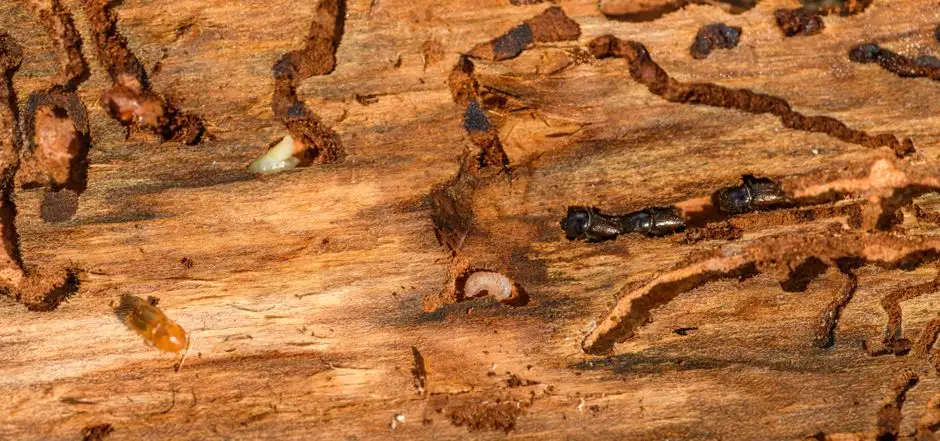
What Termite Inspections Pittsburgh PA Actually Covers
Termite inspections Pittsburgh PA is a wood-destroying insect evaluation that traces mud tubes, frass, and hollowed framing from the foundation up through the attic. Our inspectors use moisture meters, thermal imaging cameras, and UV flashlights to read what a visual walkthrough misses. We probe sill plates, floor joists, band boards, and any wood within 18 inches of soil, then document every finding with photos and a written summary you can hand to a lender, buyer, or contractor.
Pittsburgh's climate drives the problem. Wet springs push soil moisture up, humid summers keep crawlspaces damp, and freeze-thaw winters crack foundation walls that let eastern subterranean termites in. Homes in Squirrel Hill, Shadyside, and Lawrenceville built before 1950 often have original wood sills sitting close to grade. If you've spotted mud tubes or a soft spot near a baseboard, schedule termite inspections in Pittsburgh Pennsylvania before spring swarms start.
Why Pittsburgh Homeowners Book Termite Inspections
A termite inspection is cheap insurance against the single most expensive repair a house can face. Here's what you actually get when you book with us.
Catch Damage Early
Termites work silently for years before you see a swarm. Our inspectors find mud tubes, frass, and hollowed wood while repairs still cost hundreds instead of tens of thousands. We document every hit with photos so you can see exactly what we saw.
Reports Lenders Accept
Buying or refinancing in Allegheny County? Most lenders want a wood-destroying insect report before closing. We deliver a signed, photo-documented report within 24 hours so your closing doesn't stall. Realtors in Mt. Lebanon and Dormont call us for exactly this.
Thermal Imaging Included
We don't just eyeball it. Thermal imaging cameras and moisture meters read temperature and dampness behind drywall, under floors, and inside crawlspaces. That's how we catch active colonies that a flashlight-only inspection walks right past.
Treatment Plan If Needed
If we find live termites, you get a same-week treatment plan using termite bait, fipronil soil treatments, or both. No pressure, no upsell. Just a clear scope, a flat price, and a follow-up inspection to confirm the colony is dead.
How Our Termite Inspection Process Works
Five steps, one visit, and a written report you can act on. Here's exactly what happens from the moment you call to the day you get your results.
Phone Intake
Call or book online and tell us what you've seen: mud tubes, swarmers, soft wood, or nothing at all. We ask about the home's age, foundation type, and any past treatments. You get a flat quote before we schedule, usually within 5 minutes.
On-Site Sweep
A licensed inspector arrives with a moisture meter, thermal imaging camera, and UV flashlight. We walk the exterior, foundation, crawlspace or basement, garage, and every accessible interior wall. Expect 60 to 90 minutes for a typical Pittsburgh home.
Probing and Documentation
We tap and probe sill plates, joists, band boards, and any wood near soil. Every suspicious spot gets photographed and marked on a floor plan. If we find live activity, we flag it immediately and show you the evidence on the spot.
Written Report
You get a signed report within 24 hours listing findings, photos, and a clear recommendation: no action, monitor, or treat. Lenders, buyers, and realtors get the format they need. We walk you through it by phone if anything is unclear.
Treatment and Follow-Up
If treatment is needed, we schedule it within the week using termite bait stations or a fipronil soil barrier. A follow-up inspection 30 to 60 days later confirms the colony is dead. We don't close the file until the termites are gone.
Termite Inspection Expertise You Can Verify
We've been inspecting Pittsburgh homes since 2018, and every inspector on our team holds a PA Department of Agriculture Pesticide Applicator License. We're EPA Certified, QualityPro accredited, and NPMA members. That means we follow the same standards lenders, realtors, and the Pennsylvania Pest Management Association expect. Our inspectors are trained on eastern subterranean termite behavior specific to Allegheny County's soil and housing stock, and we recertify annually on Integrated Pest Management practices.
- Licensed by the PA Department of Agriculture as Pesticide Applicators, renewed annually
- EPA Certified and QualityPro accredited through the NPMA
- Trained on eastern subterranean termite behavior in Allegheny County soils
- Certified in Integrated Pest Management (IPM) practices for residential and commercial properties
- 8 years serving Pittsburgh homeowners, realtors, and property managers since 2018
Why Book Termite Inspections Pittsburgh PA With Us
Plenty of companies will sell you a termite inspection. Fewer will show you the evidence, explain it in plain English, and stand behind the findings. Here's what separates our work from a checkbox walkthrough.
Same-Day Reports
Most inspections get a signed, photo-documented report back to you within 24 hours, often the same day. Realtors working tight closing timelines in Mt. Lebanon and Whitehall rely on that turnaround. No waiting three days for paperwork.
Thermal Imaging Standard
Every inspection includes thermal imaging cameras and moisture meters at no extra charge. That's how we find active colonies behind finished walls and under hardwood floors. Flashlight-only inspections miss them.
Flat Pricing, No Surprises
You get a flat quote before we schedule, and it doesn't change when we arrive. No add-ons for crawlspace access, no upcharge for a second story. If treatment is needed, that's a separate flat quote you approve first.
Local Knowledge, Real Answers
We know which Pittsburgh neighborhoods have the worst termite pressure and why. Squirrel Hill's older wood sills, Brookline's clay soil, and the damp crawlspaces common in Beechview all shape how we inspect. You get answers specific to your block, not a generic checklist.
What's Included in Every Termite Inspection
Every inspection we run in Pittsburgh covers the full structure, from foundation to attic, with the tools and documentation you need for lenders, realtors, or your own peace of mind. Treatment is quoted separately if we find live activity.
What's Included
Full Structural Sweep
We inspect the exterior foundation, crawlspace or basement, garage, attic, and every accessible interior wall. Sill plates, joists, band boards, and any wood within 18 inches of soil get probed and tapped. Expect 60 to 90 minutes on site for a typical Pittsburgh home.
Thermal Imaging and Moisture Readings
Thermal imaging cameras and moisture meters read temperature and dampness behind drywall, under floors, and inside crawlspaces. That's how we find active colonies a flashlight-only inspection walks past. Included on every visit, no add-on charge.
Photo-Documented Report
You get a signed report within 24 hours with photos of every finding, a marked floor plan, and a clear recommendation: no action, monitor, or treat. Lenders, buyers, and realtors get the format they need for closing.
Treatment Quote If Needed
If we find live termites, you get a flat treatment quote within 24 hours. Options include termite bait stations, fipronil soil barriers, or both. No pressure, no upsell, and the quote doesn't change once you approve it.
Follow-Up Inspection
After treatment, we schedule a follow-up inspection 30 to 60 days later to confirm the colony is dead. We don't close the file until the termites are gone and you have written confirmation.
Termite Problems We Solve for Pittsburgh Homeowners
Termites cause $5 billion in damage across the U.S. each year, and Pittsburgh's older housing stock is prime territory. Here are the problems we see most often and how we solve them.
Mud tubes on basement or crawlspace walls
Active subterranean termites are entering the structure and feeding on sill plates and joists. Left alone, damage spreads upward through the framing within 12 to 24 months.
We trace the tubes to the soil entry point, confirm live activity with probing and moisture readings, and install termite bait stations or a fipronil soil barrier within the week. Follow-up at 30 to 60 days confirms the colony is dead.
Soft or spongy wood near baseboards and door frames
Termites have hollowed the wood from the inside out. By the time the surface feels soft, the structural framing behind it is often compromised and repair costs climb fast.
We probe the affected area, map the damage with thermal imaging, and document everything with photos. If treatment is needed, we quote it flat and schedule within the week. We also flag any framing that needs a contractor.
Swarmers or discarded wings near windows in spring
A mature colony has sent out reproductive termites to start new colonies. If they're inside your home, you likely have an active infestation somewhere in the structure.
We inspect the full structure the same week, identify the source colony, and treat it with bait stations or a soil barrier. We also check for secondary colonies in crawlspaces and garages, which Pittsburgh homes often have.
Failed WDI report on a real estate closing
Lenders and buyers walk away when a wood-destroying insect report shows active termites. Without treatment and a clear follow-up report, the sale stalls or the price drops.
We inspect within 48 hours, deliver a signed report the same day, and if treatment is needed, we schedule it fast and provide the follow-up documentation your lender needs. Realtors in Allegheny County call us for exactly this.
When to Schedule a Termite Inspection
You're buying a home in Allegheny County and the lender requires a WDI report before closing.
We inspect within 48 hours, deliver a signed photo-documented report the same day, and if treatment is needed, we schedule it fast so your closing doesn't slip. Realtors in Mt. Lebanon and Whitehall use us for tight timelines.
You close on time with a clear report and, if needed, a treatment plan your lender accepts.
Your Pittsburgh home is over 40 years old and has never had a termite inspection.
We run a full structural sweep with thermal imaging and moisture meters, focusing on sill plates, joists, and any wood near soil. Older homes in Squirrel Hill and Lawrenceville often have original wood sitting close to grade, which is prime termite territory.
You get a written report showing either no activity or exactly where termites are and what it takes to stop them.
You spotted mud tubes, frass, or swarmers and want answers fast.
We book same-week inspections and often same-day. Our inspector confirms live activity on site, shows you the evidence, and quotes treatment within 24 hours. No waiting, no guessing.
You know within a day whether you have active termites and what treatment costs, so you can act before damage spreads.
You manage rental properties in Pittsburgh and need annual WDI documentation for tenants or lenders.
We run commercial termite inspection Pittsburgh Pennsylvania for multi-family buildings, warehouses, and rental portfolios. Reports are signed, photo-documented, and formatted for lenders and property managers.
You get annual documentation, early detection, and one vendor for termite inspections across your whole portfolio.
Tools and Methods We Use for Termite Inspections
Tools & Equipment
Thermal Imaging Cameras
Read temperature differences behind drywall, under floors, and inside crawlspaces to locate active termite colonies and moisture pockets a visual inspection misses.
Moisture Meters
Measure dampness in wood and soil. Termites need moisture, so elevated readings near sill plates and joists flag the most likely activity zones.
UV Flashlights
Reveal mud tubes, frass, and termite galleries in dark crawlspaces and behind insulation where a standard flashlight can't reach.
Probing Tools
Tap and probe sill plates, joists, and band boards to detect hollowed wood that looks solid on the surface but has been eaten from the inside.
Termite Detectors
Electronic sensors that pick up moisture and termite activity in wall cavities and under slabs without opening the structure.
Bait Stations
In-ground and in-wall stations that use slow-acting termite bait to eliminate colonies at the source. Installed after treatment and monitored quarterly.
Methods
Integrated Pest Management (IPM)
We follow IPM standards: inspect first, identify the species, treat only what's needed, and monitor afterward. That means fewer chemicals, targeted treatments, and a plan that addresses the moisture and soil conditions termites need to survive.
Fipronil Soil Barrier
A liquid termiticide applied to the soil around the foundation. Termites passing through the treated zone pick up fipronil and carry it back to the colony. The barrier lasts 5 to 10 years depending on soil and drainage.
Termite Bait Stations
In-ground stations loaded with slow-acting bait that termites carry back to the colony. We install them around the perimeter and monitor quarterly. Best for homes with ongoing pressure or where soil treatment isn't practical.
Wood-Destroying Insect (WDI) Report
The signed, photo-documented report lenders and realtors require for closings. We follow NPMA-33 format and deliver within 24 hours of the inspection.
How Termite Inspections Run in Pittsburgh
Pittsburgh's climate and housing stock shape every inspection we run. Wet springs push soil moisture up against foundations, humid summers keep crawlspaces damp, and freeze-thaw winters crack foundation walls that let eastern subterranean termites in. Homes built before 1950 in Squirrel Hill, Shadyside, and Lawrenceville often have original wood sills sitting within 18 inches of grade, which is prime termite territory. We also see heavy pressure in Brookline and Beechview, where clay soil holds moisture against foundation walls. If you're searching for affordable termite inspections in Pittsburgh PA, we run flat-rate pricing across Allegheny County with no add-ons for crawlspace access or multi-story homes. Inspections take 60 to 90 minutes on site, and reports go out within 24 hours. We cover ZIP codes 15282, 15216, 15217, 15214, 15212, and 15213, plus surrounding communities.
Service Areas
Pre-1950 homes with original wood sills close to grade. Termite pressure is high, and crawlspaces often need moisture correction alongside treatment.
Renovated rowhouses with new framing meeting old foundations. We check both the original sills and any new wood that touches soil.
Larger single-family homes with finished basements. Thermal imaging is essential here to read behind drywall without opening walls.
Clay soil holds moisture against foundations, and many homes have damp crawlspaces. We check soil-to-wood contact points first.
Mix of slab-on-grade and crawlspace construction. Slab homes need termite detectors and moisture readings since there's no basement to inspect.
Local Considerations
Wet springs and humid summers
Soil moisture stays high from March through September, which is peak termite season in Allegheny County. We schedule most inspections in spring and early summer when swarmers appear.
Freeze-thaw foundation cracks
Winter freeze-thaw cycles open cracks in Pittsburgh foundation walls, giving termites new entry points. We flag these during inspection and recommend sealing before spring.
Older housing stock with wood-to-soil contact
Pre-1950 homes often have sill plates within 18 inches of soil, which is the termite entry zone. We probe these areas first and document any activity with photos.
Clay soil in western neighborhoods
Clay holds moisture against foundations in Brookline, Beechview, and Crafton Heights. That damp soil is ideal termite habitat, so we inspect those areas with extra attention.
Active Colony in Squirrel Hill Basement
A 1928 home in Squirrel Hill had mud tubes running up the basement wall behind a finished panel. The homeowner noticed swarmers in April but assumed they were ants. The sill plate was hollowed across 12 feet.
We confirmed eastern subterranean termites, installed 14 bait stations around the perimeter, and treated the soil with fipronil. The 60-day follow-up showed zero activity. The homeowner replaced the damaged sill plate for $1,800 instead of a full framing repair.
Maintenance & Follow-up
Quarterly bait station monitoring for the first year, then annual inspections. We also recommended fixing a downspout that was dumping water against the foundation.
A buyer was two weeks from closing on a Mt. Lebanon home when the lender required a WDI report. The seller's previous inspection was three years old and showed no activity. The buyer's realtor called us on a Tuesday.
We inspected Wednesday, found active termites in the garage sill plate, and delivered a signed report the same day. Treatment was scheduled Friday, and the follow-up report at 45 days cleared the lender. The closing happened on time.
Maintenance & Follow-up
Annual WDI inspections and quarterly bait station checks. The buyer now has a documented treatment history for future resale.
A Beechview homeowner noticed soft wood near the crawlspace hatch and a musty smell. The crawlspace had standing water after spring rains, and the joists were showing early termite damage across 8 feet.
We treated with a fipronil soil barrier and installed a vapor barrier to control moisture. The 30-day follow-up showed no live termites. The homeowner repaired two joists for $2,400 instead of replacing the entire floor system.
Maintenance & Follow-up
Annual inspections and moisture monitoring. We recommended a sump pump and regrading the exterior soil line to keep water away from the foundation.
How much does a termite inspection cost in Pittsburgh Pennsylvania?
Most termite inspections in Pittsburgh run $100 to $250 for a standard single-family home. Crawlspaces, multi-unit buildings, and homes over 3,000 square feet push toward the higher end. If you're buying a house, the inspection is often bundled with a general pest inspection for a small add-on. You get a flat quote before we schedule, and it doesn't change when we arrive.
Who is the best termite inspection company in Pittsburgh PA?
The best company is the one that shows you the evidence, explains it clearly, and stands behind the report. Look for a PA Department of Agriculture Pesticide Applicator License, EPA certification, and QualityPro accreditation. We've held all three since 2018, use thermal imaging on every inspection, and deliver signed reports within 24 hours. Check our Google reviews before you book.
What is included in a termite inspection in Pittsburgh Pennsylvania?
A full inspection covers the exterior foundation, crawlspace or basement, garage, attic, and every accessible interior wall. We probe sill plates, joists, and band boards, and use moisture meters, thermal imaging cameras, and UV flashlights to read what a visual sweep misses. You get a signed report with photos, findings, and a clear recommendation: no action, monitor, or treat.
How long does a termite inspection take in Pittsburgh Pennsylvania?
A typical single-family home takes 60 to 90 minutes on site. Crawlspaces, finished basements, and homes over 3,000 square feet can run 2 hours. You don't need to be home the whole time, but we ask that someone be available at the start to unlock the basement or crawlspace and answer questions about past treatments or moisture issues.
Licensed, Certified, and Reviewed
Certifications
Reviews
Fast, thorough, and honest. They inspected our Squirrel Hill home for a real estate closing and found active termites the previous inspector missed. Report came back the same day. Treatment was scheduled within the week and the follow-up cleared the lender.
We've used them for three rental properties in Mt. Lebanon. Every inspection is thorough, reports are on time, and they never push treatment we don't need. The thermal imaging caught a moisture issue that would have turned into a termite problem.
Called on a Monday after seeing swarmers near our back door in Lawrenceville. They came out Tuesday, confirmed termites, and had bait stations installed by Friday. Fair price, clear explanation, and the 60-day follow-up showed zero activity.
Professional from start to finish. The inspector walked me through every finding with photos and explained what needed treatment and what didn't. No pressure, no upsell. I've recommended them to three neighbors in Brookline already.
Related Pest Control Services in Pittsburgh
Ant Control
Carpenter ants hollow out wood just like termites do, and Pittsburgh homes get both. If your inspection turns up frass or galleries, we treat the ant colony too. Same visit, same report.
Ant ControlBed Bug Treatment
Bed bugs and termites rarely overlap, but both show up in rental turnovers. If you're prepping a Pittsburgh property for new tenants, we can bundle a termite inspection with bed bug treatment and one invoice.
Bed Bug TreatmentBee & Wasp Removal
Wasps and bees nest in soffits, eaves, and crawlspace vents, the same spots termites enter. We remove the nest and seal the entry point so both problems stay solved.
Bee & Wasp RemovalBird Control
Pigeons and starlings roost on ledges and drop moisture-heavy debris against foundations. That damp wood attracts termites. We install exclusion mesh and spikes to keep birds off and wood dry.
Bird ControlCockroach Control
Cockroach allergies and termite damage often show up in the same older Pittsburgh rentals. We treat roaches with gel bait and insect growth regulators, then inspect the structure for termites on the same visit.
Cockroach ControlCommercial Pest Control
Restaurants, warehouses, and multi-family buildings in Allegheny County need documented pest control for inspections and tenants. We bundle commercial termite inspection Pittsburgh Pennsylvania with quarterly pest service under one contract.
Commercial Pest ControlCricket Control
Crickets invade basements and crawlspaces in late summer, and their moisture attracts termites. We treat crickets with residual sprays and glue boards, then check the same crawlspace for termite activity.
Cricket ControlEarwig Control
Earwigs thrive in damp mulch and leaf litter against foundations, exactly the conditions termites love. We treat the perimeter and recommend mulch setbacks that keep both pests away from the sill.
Earwig ControlFlea & Tick Treatment
Fleas and ticks come in on pets and wildlife, and the same yard conditions that harbor them also feed termites. We treat the yard and inspect the structure in one visit for Pittsburgh homeowners.
Flea & Tick TreatmentFly Control
Cluster flies and fruit flies signal moisture problems inside walls, which is where termites start. We treat the flies and inspect the wall cavity for damp wood and termite activity.
Fly ControlGopher Control
Gophers tunnel under Pittsburgh yards and expose foundation walls to soil contact. We remove the gophers and re-grade the soil line so termites lose their entry path.
Gopher ControlHornet Removal
Hornets nest under eaves and in crawlspace vents, the same openings termites use. We remove the nest safely and seal the gap so both pests stay out.
Hornet RemovalMosquito Control
Mosquito-borne diseases and termites both thrive in Pittsburgh's wet springs. We treat standing water and shaded foliage, then inspect the structure for termite activity while we're on site.
Mosquito ControlMoth Control
Moths damage fabrics, but their presence often points to damp storage areas where termites also feed. We treat the moths and inspect the same closets and crawlspaces for wood damage.
Moth ControlMouse Control
Rodent droppings and gnawed joists are common in Pittsburgh basements, and mice often use the same gaps termites do. We trap the mice, seal the entries, and inspect the framing for termite damage.
Mouse ControlPest Inspections
A general pest inspection covers ants, roaches, rodents, and wildlife alongside a termite check. If you're buying in Allegheny County, bundling both gives you one report and one invoice.
Pest InspectionsPest Proofing & Exclusion
We seal foundation cracks, vent gaps, and utility penetrations with exclusion mesh and sealant. That keeps termites, rodents, and insects out and keeps treated soil barriers intact.
Pest Proofing & ExclusionRat Control
Rats gnaw framing and leave droppings in crawlspaces, and their tunnels expose soil-to-wood contact. We use rodenticide and traps, then inspect the same framing for termite damage.
Rat ControlRodent Control
Rodents and termites both exploit Pittsburgh's older housing stock. We remove the rodents, seal entry points, and check the sill plates and joists for termite activity on the same visit.
Rodent ControlSilverfish Control
Silverfish thrive in damp basements and crawlspaces, the same conditions termites need. We treat the silverfish with diatomaceous earth and boric acid, then inspect the structure for termites.
Silverfish ControlSpider Control
Spiders follow other insects indoors, and heavy spider activity often means a moisture problem. We treat the spiders and inspect the crawlspace for damp wood and termite activity.
Spider ControlStink Bug Control
Stink bugs invade Pittsburgh homes each fall through the same cracks termites use. We treat the exterior and seal entry points, then check the foundation for termite activity.
Stink Bug ControlTermite Treatment
If your inspection finds live termites, treatment is the next step. We use termite bait stations, fipronil soil barriers, or both, with a follow-up inspection 30 to 60 days later to confirm the colony is dead.
Termite TreatmentTick Control
Tick bites and termite damage both spike in Pittsburgh's wet spring. We treat the yard for ticks and inspect the structure for termites in one visit, so you get both problems handled.
Tick ControlWildlife Removal
Raccoons, squirrels, and birds tear into soffits and vents, opening paths for termites and moisture. We remove the wildlife, repair the damage, and inspect the framing for termites.
Wildlife RemovalWood Destroying Insect Treatment
Beyond termites, we treat carpenter ants, powderpost beetles, and wood-boring bees. If your inspection finds any wood-destroying insect, we build a treatment plan around the species and the damage.
Wood Destroying Insect TreatmentYellow Jacket Removal
Yellow jackets nest in ground voids and wall cavities, often near foundation gaps termites use. We remove the nest and seal the opening so both pests stay out.
Yellow Jacket RemovalWhat Pittsburgh Homeowners Say
Real experiences from customers who chose our Termite Inspections services
"We were two weeks from closing on a 1920s house in Squirrel Hill and our realtor told us to get a termite inspection. The inspector found active mud tubes on the sill plate in the basement and showed us photos on the spot. We negotiated $6,000 off the price and had them treat it before we moved in. Report came back the same day."
Maria R.
Homeowner, Squirrel Hill
"I manage six rental properties in Mt. Lebanon and Dormont, and I use these guys for every turnover. They inspect, send the report within 24 hours, and flag anything that needs treatment. Last spring they caught an active colony in a crawlspace before it hit the joists. Saved me thousands."
David K.
Property Manager, Mt. Lebanon
"I saw swarmers near my back door in April and panicked. They came out the next morning, confirmed eastern subterranean termites, and had bait stations installed within the week. The follow-up inspection at 60 days showed zero activity. Fair price, no upsell, and they explained everything in plain English."
Angela T.
Homeowner, Lawrenceville
Book Termite Inspections Pittsburgh PA This Week
Every inspection includes thermal imaging, moisture readings, and a signed report within 24 hours. We're licensed by the PA Department of Agriculture and have served Pittsburgh since 2018. Call now and we'll get you on the schedule, often the same day.