Yellow jacket removal Pittsburgh PA that clears the nest the same day
Licensed technicians, EPA-registered products, nests gone in one visit
Yellow jacket removal Pittsburgh PA is what we do from April through the first hard freeze, and right now in late fall we are still pulling late-season nests out of wall voids, soffits and porch ceilings across Allegheny County. If you have wasps pouring in and out of one spot, that is a nest, not a few strays. We locate it, treat it and remove it, usually in a single visit, so you can use your yard and your door again without watching the sky.
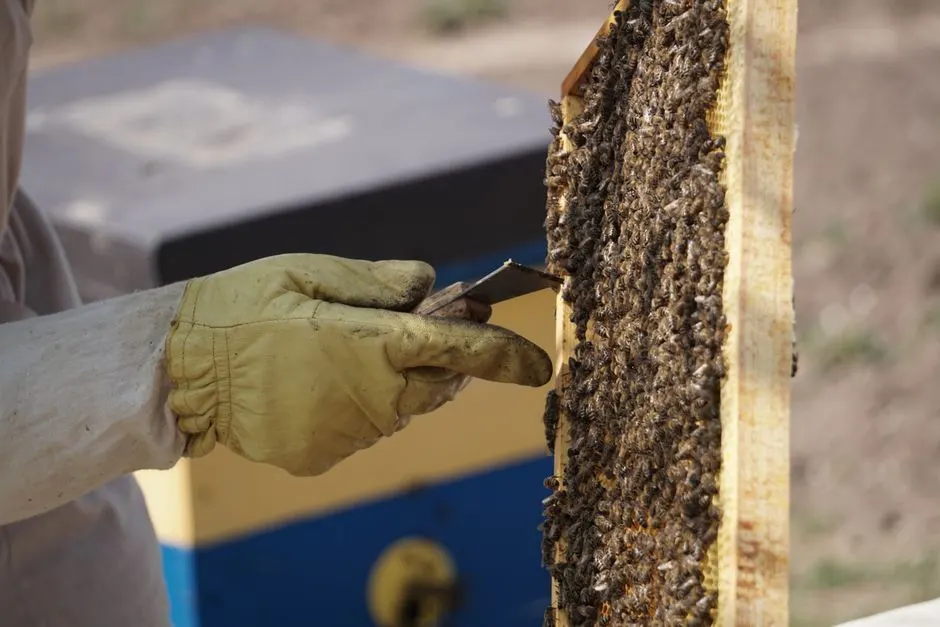
Yellow jacket removal Pittsburgh PA: what the job actually involves
Yellow jacket removal Pittsburgh PA is the process of locating an active yellow jacket colony, treating it with EPA-registered insecticide, and removing the nest so the workers stop returning. It is not the same as spraying a few wasps on a porch rail. A single colony can hold 2,000 to 5,000 workers by late summer, and every one of them is loyal to a nest that is often hidden behind siding, inside a wall void, or under a concrete stoop. We treat the entry point, the nest itself and the surrounding harborage, then seal the gap so a new colony cannot move in next spring.
Most calls we take in Pittsburgh come from homeowners who found the nest the hard way: mowing the lawn, opening a shed, or stepping onto a deck. Yellow jacket exterminator Pittsburgh PA work is seasonal here because our climate gives colonies a long runway. A mild spring means queens start building in April, and by August the population peaks. If you are searching for yellow jacket removal in Pittsburgh Pennsylvania near me, the honest answer is to book before the nest gets big, because a colony that is small in July is a wall full of insects by September.
Why Pittsburgh homeowners book yellow jacket removal
A yellow jacket nest is a safety problem first and a nuisance second. These are the four outcomes our customers care about most, and each one is measurable.
Same-day nest removal
We treat and remove most accessible nests the same day you call, often within a few hours. For ground nests and wall voids we use a dust applicator and a bee suit so the colony is neutralized before we open anything up. You get a clear answer on the spot, not a two-week wait while the nest keeps growing.
Fewer stings at home
Yellow jackets sting repeatedly and release an alarm pheromone that calls the rest of the colony. One nest near a doorway can turn a normal morning into three or four stings. Removing the colony drops that risk to near zero at the treated site, which matters most for kids, pets and anyone with a known venom allergy.
Entry points sealed
Killing the colony is half the job. We also close the gap the wasps used, whether that is a soffit seam, a weep hole, a dryer vent or a crack in a foundation wall. Sealing with exclusion mesh and sealant stops a new queen from claiming the same cavity next season, which is how you avoid paying for the same call twice.
Affordable, upfront pricing
Affordable yellow jacket removal in Pittsburgh PA starts with a price you hear before we start. Most single-nest jobs fall into a predictable range, and we tell you the number on the phone. No surprise line items, no upsell on products you do not need, and no charge for a return visit if the colony is still active after treatment.
How our yellow jacket removal process works
Five steps, most of them finished in one visit. Here is exactly what happens from the moment you call until the nest is gone and the entry point is sealed.
Phone assessment
You describe where the wasps are going in and out, how long they have been there, and whether anyone has been stung. We ask about the structure, the siding type and whether the nest is in the ground, a wall or a tree. That five-minute call usually tells us whether this is a same-day job or a scheduled one, and we give you a price range before we hang up.
On-site inspection
A licensed technician walks the property with a UV flashlight and thermal imaging camera to confirm the nest location and check for a second colony. Yellow jackets often run two nests on the same lot, and treating one while missing the other is the most common reason a job fails. The inspection takes 15 to 25 minutes on a typical Pittsburgh lot.
Treatment and removal
We apply an EPA-registered insecticide, usually a fipronil or bifenthrin-based product, directly to the nest and the entry point. Ground nests get a dust application; wall voids get a dust injector through a small drilled hole. Once the colony is neutralized, we remove the nest where it is accessible. This step runs 30 to 60 minutes depending on access.
Exclusion and sealing
We close the entry point with exclusion mesh and sealant so a new colony cannot reuse the cavity. On older Pittsburgh homes with original wood siding and deep soffits, this often means sealing several gaps, not just one. We also check nearby vents and utility penetrations, since yellow jackets will happily relocate six feet down the same wall.
Follow-up check
We schedule a return visit 7 to 10 days out to confirm the colony is dead and no new activity has started. If wasps are still working the site, we retreat at no additional cost. That follow-up is included in the price, and it is the step that separates a real yellow jacket extermination Pittsburgh Pennsylvania job from a can of spray and a prayer.
Eight years of yellow jacket work in Allegheny County
We have been in business since 2018, which means eight years of Pittsburgh yellow jacket calls, from Squirrel Hill porches to Penn Hills garages. Our technicians hold a PA Department of Agriculture Pesticide Applicator License and work under Integrated Pest Management (IPM) Certified protocols, so treatment decisions start with identification and exclusion rather than a blanket spray. We are an NPMA Member and a Pennsylvania Pest Management Association Member, and we carry OSHA Compliance training for the ladder and confined-space work that wall-void nests require. Every technician on a yellow jacket call is trained on stinging insect behavior, not just product application.
- Every technician holds a current PA Department of Agriculture Pesticide Applicator License for structural pest control.
- We run Integrated Pest Management (IPM) Certified protocols, so we identify the species and seal the entry point before we treat.
- Our team handles 400-plus stinging insect calls a year across Allegheny County, most of them yellow jacket nests.
- We use thermal imaging cameras and UV flashlights to find nests hidden in wall voids and soffits.
- OSHA Compliance training covers ladder work, attic access and confined-space treatment for wall and ceiling nests.
Why our yellow jacket removal Pittsburgh PA service gets called back
Anyone can sell you a can of spray. We do the part that actually ends the problem: find the nest, kill the colony, seal the gap and check back in a week to prove it worked.
Licensed and insured
Our technicians carry a PA Department of Agriculture Pesticide Applicator License and full liability coverage. That matters when the nest is inside a wall and the job involves drilling, dust injection and ladder work on a three-story Pittsburgh rowhouse. We are also EPA Certified for the products we apply.
Same-day service available
If you need a yellow jacket exterminator Pittsburgh PA same day, call before early afternoon and we can usually get a technician out that day. Late-fall nests are urgent because the colony is at peak size and the workers get aggressive when temperatures drop and food runs short.
Nest removal, not just spraying
Plenty of yellow jacket pest control Pittsburgh PA companies spray the entry hole and leave. We remove the nest where it is reachable and seal the cavity afterward. That is the difference between a quiet yard for two weeks and a quiet yard for years.
Upfront pricing, no surprises
You hear the price before we start, and the follow-up visit is included. If you have been quoted wildly different numbers for yellow jacket removal Pittsburgh Pennsylvania cost, ask what is covered. Ours includes inspection, treatment, nest removal, exclusion sealing and the 7-to-10-day return check.
What our yellow jacket removal service includes
One price covers the full job: inspection, treatment, nest removal, exclusion sealing and a follow-up visit. Here is what you get when you book, and what we handle separately if the situation calls for it.
What's Included
Full property inspection
A licensed technician checks the exterior, attic, crawlspace and any accessible wall voids with a UV flashlight and thermal imaging camera. We confirm the nest location and look for a second colony, which is common on larger Pittsburgh lots with mature trees and multiple outbuildings.
Targeted nest treatment
We apply an EPA-registered insecticide, usually fipronil or bifenthrin, directly to the nest and entry point. Ground nests get a dust application; wall voids get a dust injector through a small drilled hole. The product is chosen for the species and the nesting location, not a one-size spray.
Physical nest removal
Where the nest is reachable, we remove it and dispose of it. That includes ground nests, exposed paper nests under eaves, and wall-void nests we can access through a small opening. Removal prevents the leftover pupae and organic material from attracting other pests.
Entry-point exclusion
We seal the gap the yellow jackets used with exclusion mesh and sealant. On older Pittsburgh homes this often means several gaps along the soffit, foundation or vent line. Sealing is what stops a new queen from reusing the cavity next spring.
Follow-up verification
We return 7 to 10 days after treatment to confirm the colony is dead and no new activity has started. If wasps are still working the site, we retreat at no additional cost. This visit is included in the price, not billed as a separate trip.
Yellow jacket problems we solve for Pittsburgh homeowners
Yellow jackets cause three kinds of trouble here: stings, structural nesting and repeat infestations. Here is how we handle each one, and what happens if you leave it alone.
Wasps swarming the deck or patio all summer
You stop using your own yard, and every meal outside turns into a watch-the-sky exercise. Late summer colonies are at peak population and short on food, which makes them aggressive around anything sweet or protein-rich.
We locate the nest feeding that traffic, which is often 20 to 50 feet away in a wall, tree or ground cavity. Treatment kills the colony at the source, and the follow-up visit confirms no foragers remain. Most customers are back on the deck within 48 hours.
Nest inside a wall or soffit you cannot reach
Wall-void nests are the hardest to treat and the most likely to be missed. If the colony is not killed, workers chew through drywall and can end up inside the living space, which turns a yard problem into an indoor emergency.
We drill a small access hole, inject a dust insecticide into the void and seal the opening afterward. The dust spreads through the cavity and reaches the queen and brood. We then patch and seal the entry point so a new colony cannot move in.
Ground nest in the lawn or garden bed
Ground nests are easy to step on and hard to see. A single mowing pass over a colony can trigger dozens of stings, and the nest often sits close to a walkway, play area or foundation line where kids and pets pass daily.
We mark the entrance, apply a dust insecticide after dusk when the colony is inside, and remove the nest material once the workers are dead. We then backfill and level the hole so the spot does not become a repeat nesting site next season.
Yellow jackets returning to the same spot every year
Repeat nesting means the entry point was never sealed. Each spring a new queen claims the same cavity, and you end up paying for the same treatment annually instead of solving the problem once.
We treat the active colony and then seal the cavity with exclusion mesh and sealant. We also check nearby vents, weep holes and utility penetrations, since yellow jackets will relocate a few feet down the same wall. That is the difference between a one-time fix and a yearly bill.
When to call for yellow jacket removal
You see a steady stream of wasps entering one spot on the exterior wall or soffit of your Pittsburgh home.
That is a nest, not a few strays. We inspect the entry point, confirm the void with a thermal imaging camera, and treat with a dust insecticide through a small access hole. The colony dies inside the cavity and we seal the opening.
The stream of wasps stops within 24 to 48 hours, and the sealed entry point prevents a new colony from using the same cavity next spring.
A ground nest shows up in your lawn, garden bed or along a retaining wall where kids and pets play.
We treat ground nests after dusk when the whole colony is inside, using a dust applicator and a bee suit for safety. Once the workers are dead, we remove the nest material and backfill the hole.
The yard is safe to use again within a day, and the filled hole removes the visual cue that would attract a new queen.
You are finding wasps inside the house, near a window, light fixture or baseboard, and cannot figure out where they come from.
Indoor wasps usually mean a wall-void or attic nest with an interior breach. We trace the entry with a moisture meter and thermal camera, treat the void, and seal both the exterior entry and the interior gap.
Indoor sightings stop within a few days, and the sealed cavity keeps the next colony out of the structure entirely.
You run a restaurant, daycare or rental property in Allegheny County and need documented pest control for inspections.
We provide scheduled commercial service with bait stations, treatment logs and same-day response for stinging insect calls. Nests around dumpsters, loading docks and patios are treated and removed before they become a customer or tenant complaint.
You get a written service record for your inspection file and a property that stays free of stinging insects through the season.
Tools and methods we use for yellow jacket removal
Tools & Equipment
Bee suits and protective gear
Full-body protection for technicians working within a few feet of an active colony. Essential for wall-void and ground nests where thousands of workers can mobilize in seconds.
Dust applicators and insecticide sprayers
Used to inject insecticidal dust into wall voids, soffits and ground cavities. Dust reaches the queen and brood in areas a liquid spray cannot penetrate.
Thermal imaging cameras
Locate hidden nests inside walls and ceilings by detecting the heat signature of an active colony. Cuts inspection time and avoids unnecessary drilling.
UV flashlights
Used during evening inspections to trace yellow jacket entry points and confirm nest locations in low-light areas like crawlspaces and attics.
Exclusion mesh and sealant
Seal soffit gaps, weep holes, vent screens and foundation cracks after treatment. This is the step that prevents a new colony from reusing the same cavity.
Foggers
Deployed for large outdoor infestations and commercial properties where multiple nests or heavy forager traffic require broad-area knockdown before targeted treatment.
Methods
Integrated Pest Management (IPM)
Our core approach: identify the species, find the nest, treat the source and seal the entry point. IPM Certified protocols mean we use the minimum effective product and rely on exclusion and sanitation to prevent repeat problems.
Dust insecticide injection
The standard method for wall-void and ground nests. We drill a small access hole, inject a fipronil or bifenthrin-based dust, and let the workers carry it inward to the queen and brood. This kills the colony at the source rather than just the foragers.
Evening and dusk treatment
Yellow jackets are least active after dark and the whole colony is inside the nest. Treating at dusk reduces the risk of stings and improves product contact with the colony.
Exclusion and structural sealing
After treatment, we seal entry points with exclusion mesh and sealant. This is the permanent fix for repeat nesting and is included in every yellow jacket job we run.
Follow-up verification
A 7-to-10-day return visit confirms the colony is dead and no new activity has started. If wasps are still present, we retreat at no additional cost.
How yellow jacket removal runs in Pittsburgh
Pittsburgh's yellow jacket season runs longer than most homeowners expect. Queens emerge in April, colonies build through the summer, and populations peak from late August into October. Right now, in November, we are still pulling late-season nests out of wall voids and ground cavities, because the first hard freeze has not fully arrived and the workers are aggressive as food runs short. Our housing stock makes this harder than it sounds. The city's older rowhouses, wood-sided homes and deep soffits give yellow jackets endless cavities to nest in, and the steep lots in neighborhoods like Mount Washington and the South Side Slopes mean ladder work is often part of the job. If you are looking for yellow jacket control in Pittsburgh Pennsylvania 24/7, call and we will tell you honestly whether it is a same-day job or a next-morning one. We treat nests at dusk when the colony is inside, seal the entry point with exclusion mesh, and return in 7 to 10 days to verify the kill. Across Allegheny County, from Downtown Pittsburgh to Penn Hills, that routine has cleared hundreds of nests since 2018.
Service Areas
Large older homes with original wood soffits and mature trees create frequent wall-void and eave nests. Ladder access and careful sealing are usually part of the job here.
Steep lots and multi-level decks mean ground nests and soffit nests sit at awkward angles. We plan ladder placement and treatment timing around the slope.
Renovated rowhouses often have new siding over old cavities, which hides nests behind fresh exterior walls. Thermal imaging is essential to find them without tearing anything open.
Larger lots with sheds, garages and woodpiles produce more ground nests and outbuilding colonies than dense city blocks. We check every structure on the property.
Hillside properties with retaining walls and terraced yards are prime ground-nest territory. We treat after dusk and backfill the nest cavity once the colony is dead.
Local Considerations
Mild springs and warm falls
A mild spring lets queens start building in April, and a warm fall keeps colonies active into November. That extends the season by four to six weeks compared to colder regions, which means more nests and larger colonies by the time homeowners call.
Older housing stock with deep soffits
Pittsburgh's wood-sided homes and rowhouses have deep soffits, weep holes and vent gaps that yellow jackets use as ready-made nesting cavities. Sealing these openings is often more work than the treatment itself.
Hillside lots and retaining walls
Ground nests in terraced yards and retaining wall cavities are common in Mount Washington, the South Side Slopes and Beechview. Access is harder and treatment often requires evening work to catch the colony inside.
Humid summers and damp basements
Damp crawlspaces and basements attract the moisture-loving insects that yellow jackets prey on, which keeps colonies well-fed and growing through July and August. Fixing moisture issues reduces repeat activity.
Soffit nest cleared in Squirrel Hill
A homeowner in Squirrel Hill had wasps entering a soffit gap above the front porch for nearly three weeks. Store-bought spray knocked down a few foragers but the traffic continued, and the family had stopped using the front door entirely. The nest was inside the wall void, roughly 4 feet from the entry point.
We drilled a small access hole, injected a fipronil-based dust into the void, and sealed the soffit gap with exclusion mesh. The wasp traffic stopped within 24 hours. A follow-up visit on day 8 confirmed no activity, and the access hole was patched and painted.
Maintenance & Follow-up
We recommended checking soffit seams and vent screens each spring before queens start building in April. Sealing any new gaps takes minutes and prevents a repeat nest.
A Penn Hills family found a ground nest in the lawn about 15 feet from their back patio. A mowing pass triggered multiple stings, and two kids in the household were stung before the parents called. The nest entrance was a single hole roughly the size of a quarter.
We treated the nest at dusk with a dust applicator while the full colony was inside, then removed the nest material and backfilled the hole the next morning. No stings during treatment. The yard was safe to use within 24 hours, and the follow-up check on day 9 showed zero activity.
Maintenance & Follow-up
We suggested keeping the lawn mowed short and watching for new quarter-sized holes in late spring. Early treatment of a small nest costs a fraction of a peak-season job.
A Lawrenceville rowhouse owner was seeing wasps inside the kitchen near a window frame. The exterior siding had been replaced two years earlier, hiding the original wall cavity. Thermal imaging confirmed an active colony inside the wall, roughly 3 feet from the interior sighting.
We injected dust through a small exterior access point, sealed the cavity with exclusion mesh, and closed the interior gap at the window frame. Indoor sightings stopped within 48 hours. A day-10 follow-up confirmed the colony was dead and the wall was clear.
Maintenance & Follow-up
We advised the owner to have the exterior inspected each spring, since renovated rowhouses often develop new gaps where old and new siding meet.
How much does yellow jacket removal cost in Pittsburgh Pennsylvania?
Most single-nest jobs in Pittsburgh run $180 to $450 in 2026, and the price includes inspection, treatment, nest removal and a follow-up visit. Ground nests and easy exterior nests sit at the low end. Wall-void nests, attic nests and jobs needing ladder work or multiple entry points push toward the higher end. If you have two colonies on the property, expect the second one to add $75 to $150.
Who is the best yellow jacket exterminator in Pittsburgh PA?
The right company is the one that finds the nest, removes it and comes back to confirm the colony is dead. Ask whether the follow-up visit is included, whether the technician holds a PA Department of Agriculture Pesticide Applicator License, and whether they seal the entry point. We have run yellow jacket calls across Allegheny County since 2018 and include all four of those steps in one price.
How to get rid of yellow jackets in Pittsburgh Pennsylvania?
You get rid of them by treating the nest, not the wasps you see flying. Store-bought spray reaches the workers at the entry hole but rarely the colony inside. A technician applies a dust insecticide into the void or ground cavity, which the workers carry inward until the queen and brood are dead. Then the nest comes out and the gap gets sealed with exclusion mesh.
Are yellow jackets dangerous in Pittsburgh Pennsylvania?
Yes. Yellow jackets sting repeatedly, and a single colony can hold 2,000 to 5,000 workers by late summer. For most people the stings are painful but not medical emergencies. For anyone with a venom allergy, one sting can be life-threatening, which is why we treat nests near doorways, decks and play areas as priority calls. Call us rather than knocking the nest down yourself.
Licensed, certified and reviewed
Certifications
Reviews
Called about a nest in our soffit and they came out the same afternoon. Technician was professional, explained what he was doing, and sealed the gap after treating. Follow-up visit a week later confirmed it was gone. Fair price and no pressure to buy anything extra.
We had a ground nest near our patio and two kids who could not play outside. The team treated it at dusk and removed the nest the next morning. No stings, no mess, and the yard was usable again right away. Highly recommend for anyone in Pittsburgh dealing with yellow jackets.
As a property manager I need reliable service and documentation. They handled yellow jacket nests at two of our Shadyside units in one trip and gave us written treatment notes for our files. Tenants stopped complaining immediately. We now use them for all our pest issues.
Found wasps inside the house near a window and could not figure out where they were coming from. The technician used a thermal camera, found the nest in the wall, treated it and sealed the opening. Indoor sightings stopped in two days. Worth every penny.
Related Services
Ant Control
Ants and yellow jackets often show up in the same kitchen and deck areas during Pittsburgh's humid summers. If you are already booking a yellow jacket visit, we can inspect and treat ant trails at the same time, using bait stations and non-repellent sprays that keep the colony from relocating.
Ant ControlBed Bug Treatment
Bed bugs are a separate problem, but many Pittsburgh customers book both after a move or a rental turnover. We use thermal imaging cameras and insect growth regulators to confirm and clear infestations, and we can schedule bed bug work alongside a yellow jacket call to save you a second visit fee.
Bed Bug TreatmentBee & Wasp Removal
Yellow jackets, paper wasps, hornets and bees all nest around Pittsburgh homes, and the treatment differs by species. We identify what you have before we treat, so a honeybee colony gets relocated where possible and a wasp nest gets removed. Same-day service is available for stinging insect calls.
Bee & Wasp RemovalBird Control
Starlings and sparrows nesting under eaves create the same kind of void that yellow jackets later move into. We install exclusion mesh and bird spikes on Pittsburgh rowhouses and commercial buildings, which closes the cavities that wasps and birds both favor.
Bird ControlCockroach Control
Cockroaches and yellow jackets both thrive in the warm, damp voids of older Pittsburgh buildings. Our cockroach work uses gel baits, insect growth regulators and glue boards, and we often treat both problems on the same visit when a customer reports activity in a basement or crawlspace.
Cockroach ControlCommercial Pest Control
Restaurants, schools and property managers in Allegheny County need documented pest control for health inspections. We provide scheduled service, bait stations and treatment logs, and we handle yellow jacket nests around dumpsters, loading docks and patio seating before they become a customer complaint.
Commercial Pest ControlCricket Control
Crickets invade Pittsburgh basements and garages in late summer and fall, right when yellow jacket activity peaks. We treat perimeter cracks and entry points with residual insecticide and seal gaps, which cuts down on both crickets and the overwintering spots wasps look for.
Cricket ControlEarwig Control
Earwigs thrive in the mulch beds and damp foundation lines common on Pittsburgh properties, and those same conditions attract yellow jackets. Our earwig treatment combines moisture correction, diatomaceous earth and targeted spraying along the foundation, which also reduces wasp harborage.
Earwig ControlFlea & Tick Treatment
Fleas and ticks share the yard with yellow jackets, especially in the wooded lots around Penn Hills and Fox Chapel. We treat lawns, mulch lines and pet areas with EPA-registered products, and we can bundle this with a yellow jacket visit so your whole yard is handled in one appointment.
Flea & Tick TreatmentFly Control
Flies and yellow jackets both swarm garbage and compost in Pittsburgh alleys and backyards. We use foggers, bait stations and sanitation recommendations to cut fly populations, which also removes a food source that keeps yellow jacket colonies strong late into the season.
Fly ControlGopher Control
Gopher and ground squirrel burrows are sometimes mistaken for yellow jacket ground nests, since both show up as holes in a Pittsburgh lawn. We confirm what is actually living in the ground before treating, so you do not pay for the wrong service.
Gopher ControlHornet Removal
Bald-faced hornets build the large paper nests you see hanging in Pittsburgh trees and under eaves, and they are more aggressive than yellow jackets when disturbed. We treat and remove hornet nests with the same care we use on yellow jacket jobs, including ladder work and evening timing.
Hornet RemovalMosquito Control
Mosquitoes and yellow jackets both ruin Pittsburgh backyards in July and August. Our mosquito service treats standing water, gutters and shaded foliage with larvicides and residual spray, and we can run it alongside a yellow jacket treatment for a single outdoor pest visit.
Mosquito ControlMoth Control
Clothes moths and pantry moths are an indoor problem, but they often surface during the same seasonal pest sweep as yellow jackets. We use pheromone traps, glue boards and targeted treatment in closets and pantries, and we can inspect while we are on site for wasps.
Moth ControlMouse Control
Mice use the same exterior gaps that yellow jackets exploit, and both problems get worse in Pittsburgh as temperatures drop in October and November. We seal entry points with exclusion mesh and set rodent traps indoors, which closes the openings wasps would otherwise reuse.
Mouse ControlPest Inspections
A full pest inspection covers yellow jackets, rodents, termites and other issues in one visit. We check the attic, crawlspace, foundation and exterior with moisture meters and thermal imaging cameras, then give you a written report you can act on or hand to a buyer.
Pest InspectionsPest Proofing & Exclusion
Exclusion work is the permanent fix for repeat yellow jacket problems. We seal soffit gaps, weep holes, vent screens and foundation cracks with exclusion mesh and sealant, which keeps wasps, rodents and overwintering insects out of your Pittsburgh home for good.
Pest Proofing & ExclusionRat Control
Rats and yellow jackets both nest in Pittsburgh's older garages, sheds and alley structures. We use rodenticide, snap traps and exclusion work to clear rats, and we inspect the same voids for wasp nests while we are there, since both pests favor the same sheltered cavities.
Rat ControlRodent Control
Our rodent program combines trapping, bait stations and entry-point sealing for mice and rats. Because rodents chew the same gaps yellow jackets enter through, sealing those openings during a rodent job often prevents a wasp problem the following spring.
Rodent ControlSilverfish Control
Silverfish live in the damp, dark spaces of Pittsburgh basements and attics, sometimes in the same voids where yellow jackets nest. We treat with diatomaceous earth and residual dust, and we can check those areas for wasp activity while we are inside the structure.
Silverfish ControlSpider Control
Spiders build webs around porch lights and eaves, exactly where yellow jackets hunt. Our spider treatment covers perimeter spraying, web removal and entry-point sealing, and it pairs well with a yellow jacket visit since both target the same exterior surfaces.
Spider ControlStink Bug Control
Brown marmorated stink bugs invade Pittsburgh homes every fall, squeezing through the same cracks yellow jackets use. We treat exterior walls and window frames with residual insecticide and seal gaps, which reduces both stink bugs and the overwintering sites wasps seek.
Stink Bug ControlTermite Inspections
Termites and yellow jackets both damage or destabilize Pittsburgh homes, though in very different ways. Our inspectors use termite detectors and moisture meters to check for active termites, and we can note any wasp activity in crawlspaces or foundation voids during the same visit.
Termite InspectionsTermite Treatment
We install termite bait systems and apply liquid barriers for active termite colonies in Allegheny County. Because termite work involves foundation and crawlspace access, we often spot yellow jacket nests in those same areas and can treat them on the same trip.
Termite TreatmentTick Control
Ticks and yellow jackets both thrive in the wooded edges and tall grass around Pittsburgh properties. Our tick treatment targets lawn perimeters, leaf litter and mulch with EPA-registered products, and it can be scheduled with a yellow jacket visit for one combined outdoor treatment.
Tick ControlWildlife Removal
Raccoons, squirrels and groundhogs sometimes take over the same exterior voids that yellow jackets nest in, and their activity can open new gaps. We handle wildlife removal and then seal the entry points, which prevents wasps from moving into the vacated space.
Wildlife RemovalWood Destroying Insect Treatment
Carpenter ants, termites and powderpost beetles all damage Pittsburgh homes, and the moisture problems that attract them also attract yellow jackets. We treat wood-destroying insects with borate and residual products, and we inspect voids for wasp nests while we are in the structure.
Wood Destroying Insect TreatmentWhat Pittsburgh customers say
Real experiences from customers who chose our Yellow Jacket Removal services
"We had wasps going in and out of the soffit above our front door for two weeks. I called in the morning and a technician was here by 2pm. He found the nest inside the wall, treated it and sealed the gap. No wasps since. He also checked the back of the house and found a second small nest we did not know about. Worth every dollar."
Maria R.
Homeowner, Squirrel Hill
"Ground nest in the backyard, right where my kids play. I tried a store spray and made it worse. These guys came out, suited up and had the colony dead in about 40 minutes. They removed the nest and filled the hole. Follow-up visit a week later confirmed nothing was left. Fair price and no upsell."
Dan K.
Homeowner, Penn Hills
"We manage six rental units and had yellow jackets at two of them in the same week. The team handled both properties on one trip and gave us written treatment notes for our records. Tenants stopped complaining immediately. We now use them for all our pest issues in Allegheny County."
Priya S.
Property Manager, Shadyside
Get yellow jacket removal Pittsburgh PA scheduled today
One call, one visit, and the nest is gone. We are licensed, EPA Certified and have handled yellow jacket calls across Allegheny County since 2018. Call now and we will give you a price on the phone and a same-day slot if one is open.