Moth Control Pittsburgh PA That Ends the Damage
Pantry and clothes moths gone, with follow-up visits that keep them gone
Moth control Pittsburgh PA homeowners can count on starts with finding where larvae are actually feeding, not just swatting the adults you see. Our moth exterminator Pittsburgh PA crews treat kitchens, closets, basements, and attics across Allegheny County, then come back to confirm the cycle is broken. If you are seeing webbing in the flour or holes in your sweaters, call us today.
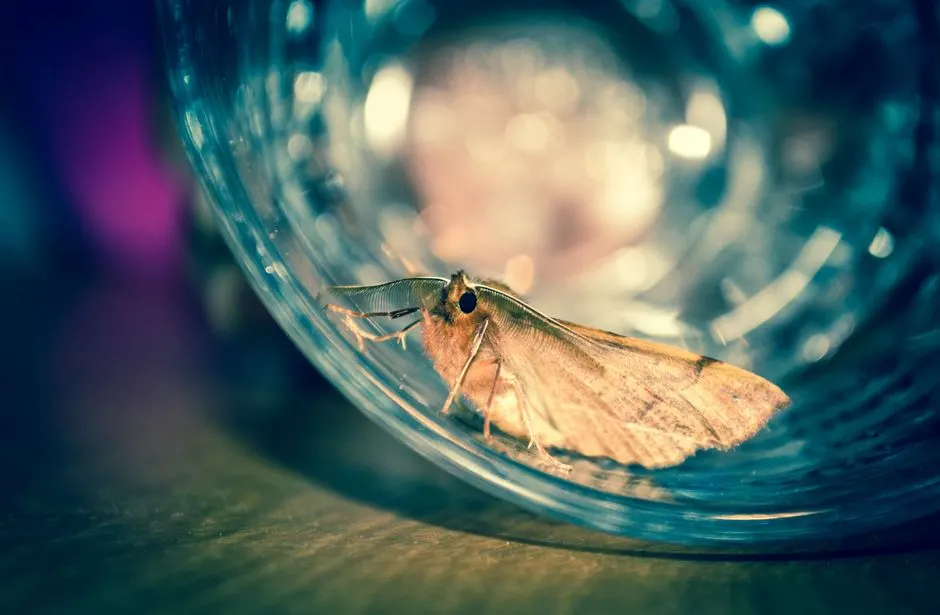
What Moth Control Pittsburgh PA Really Involves
Moth control Pittsburgh PA is a targeted pest service that locates moth breeding sites, treats them with labeled insecticides and growth regulators, and seals the entry points moths use to return. Two species cause almost all the trouble here: the Indian meal moth, which infests flour, cereal, and pet food, and the webbing clothes moth, which chews wool, cashmere, and stored fabric. Adults are harmless to your food and clothing. The larvae do every bit of the damage.
Pittsburgh's older housing stock gives moths plenty of places to hide. Century-old kitchen cabinets in Lawrenceville and Bloomfield have seams and voids that hold spilled grain for years. Damp basements in Beechview and Carrick stay humid enough for clothes moths to breed year-round. If you have been searching for moth control in Pittsburgh Pennsylvania near me and finding only generic advice, that is because moths need a site-specific inspection, not a fogger and a prayer.
Why Pittsburgh Homeowners Book Moth Treatment
Moths are quiet. By the time you spot one fluttering near the ceiling, larvae have usually been feeding for weeks. Here is what a professional treatment actually gets you.
Stop Pantry Losses Fast
One Indian meal moth infestation can ruin $200 or more of flour, rice, cereal, and dry pet food in a single cabinet. We inspect every shelf, discard infested product, and treat the voids behind the cabinets where larvae pupate. Most kitchens are clear within 7 to 10 days of the first visit.
Protect Wool and Cashmere
Webbing clothes moth larvae chew through sweaters, suits, and heirloom blankets. We treat closets, storage boxes, and under-bed areas with insect growth regulators that break the breeding cycle instead of just killing the adults you happen to see. That is the difference between a one-week fix and a permanent one.
Fewer Repeat Infestations
Moths come back when the conditions that attracted them stay the same. We pair treatment with exclusion work, sealing gaps around vents, door sweeps, and pantry seams, and we use pheromone monitors to catch a new cycle before it spreads. Customers who follow our storage guidance report no repeat activity for 12 months or longer.
Safe for Kids and Pets
We use EPA-registered products applied at labeled rates, including diatomaceous earth in sensitive areas and boric acid crack-and-crevice treatments where food is stored. Our technicians hold PA Department of Agriculture Pesticide Applicator Licenses and follow Integrated Pest Management protocols, so we treat the source with the least product necessary.
Our Moth Control Process, Step by Step
Every moth job follows the same five stages, whether you have a single closet problem in Shadyside or a full-building issue in a Strip District loft. Here is exactly what happens after you call.
Phone Triage
We ask three questions: where are you seeing moths, what are they near, and how long has it been going on. That tells us whether you likely have Indian meal moths, clothes moths, or both. Most calls are scheduled within 24 to 48 hours, and same-day moth exterminator Pittsburgh PA appointments are available for active infestations.
On-Site Inspection
A licensed technician walks the kitchen, closets, basement, and attic with a UV flashlight and moisture meter. UV light makes moth larvae and webbing glow, which speeds up the search considerably. Expect 30 to 45 minutes for a typical single-family home. We photograph what we find and show you the source before we treat anything.
Targeted Treatment
We treat the breeding sites, not the whole house. That means crack-and-crevice applications behind cabinets, insect growth regulators on closet shelving, and diatomaceous earth along baseboards where larvae travel. Foggers are rarely the right answer for moths, and we avoid them unless the layout genuinely calls for one.
Exclusion and Sealing
We seal the gaps moths use to move between rooms and floors: pantry seams, vent openings, door sweeps, and the spaces around plumbing penetrations. Exclusion mesh and caulk work here. This step is what turns a treatment into a lasting fix, and it usually adds 30 to 60 minutes to the visit.
Follow-Up and Monitoring
We return 10 to 14 days later to check pheromone monitors, re-treat any hot spots, and confirm the cycle has stopped. If monitors stay clean through the second visit, you are done. If not, we keep working at no additional charge until the problem is resolved.
Moth Control Expertise Built in Pittsburgh
We have been treating Pittsburgh homes since 2018, and moths have been one of our most common indoor calls the entire time. Our technicians carry PA Department of Agriculture Pesticide Applicator Licenses and train on Integrated Pest Management practices every year, including species identification, pheromone monitoring, and product rotation. We are an NPMA member company and a Pennsylvania Pest Management Association member. That means the person at your door knows the difference between a Indian meal moth and a clothes moth before the flashlight even comes out.
- Licensed by the PA Department of Agriculture as a pesticide application business serving Allegheny County.
- Every technician trained in Integrated Pest Management and species-level moth identification.
- We use BASF, Syngenta, and Bayer products at labeled rates, plus Bell Laboratories pheromone monitors.
- Routine use of UV flashlights, moisture meters, and thermal imaging cameras to find hidden breeding sites.
- Eight years of Pittsburgh-specific experience with older housing stock, humid basements, and dense multifamily buildings.
Why Pittsburgh Homeowners Choose Our Moth Control
Plenty of companies will sell you a fogger and a bill. We do the slower, more thorough work that actually ends a moth cycle, and we back it with a written service guarantee.
Same-Day Appointments
Active moth infestations spread fast, so we hold same-day moth exterminator Pittsburgh PA slots open every weekday. Call before noon and there is a good chance a technician is at your door that afternoon. Weekend appointments are available for an additional scheduling fee.
Written Service Guarantee
If moths are still active after your follow-up visit, we return and re-treat at no cost. We have held that guarantee since 2018 and it applies to every residential moth job we run, from a single Squirrel Hill closet to a full Mount Washington duplex.
Honest, Upfront Pricing
You get the price before we start, and it does not change based on what we find behind the cabinets. Most moth pest control Pittsburgh PA jobs land between $185 and $425 for a standard home. Larger buildings, heavy pantry infestations, and multi-unit properties cost more, and we tell you why.
Local, Not a Franchise
We are a Pittsburgh company, not a national call center. Our technicians know which neighborhoods have the worst basement humidity and which building types hold moth populations longest. That local knowledge is why our moth removal Pittsburgh Pennsylvania customers tend to stay with us for years.
What Our Moth Control Service Includes
Every moth job includes the inspection, the treatment, the exclusion work, and at least one follow-up visit. Here is what is covered in a standard residential service. Add-ons like whole-building treatments or commercial IPM programs are quoted separately.
What's Included
Full Interior Inspection
A licensed technician inspects the kitchen, pantry, closets, basement, and attic with a UV flashlight and moisture meter. We identify the species, find the breeding site, and photograph everything before we treat. Expect 30 to 45 minutes for a typical Pittsburgh single-family home.
Targeted Breeding Site Treatment
We apply labeled insecticides and insect growth regulators to the specific voids, seams, and shelving where larvae are feeding. Crack-and-crevice work behind cabinets and along baseboards is standard. Whole-room fogging is used only when the layout genuinely requires it.
Exclusion and Sealing
We seal pantry seams, vent openings, door sweeps, and plumbing penetrations with exclusion mesh and caulk. This step stops moths from moving between rooms and floors, and it is what makes the treatment last. It usually adds 30 to 60 minutes to the visit.
Pheromone Monitor Placement
We place Bell Laboratories pheromone monitors in the areas with the highest activity. These traps catch adult males and tell us whether the breeding cycle has actually stopped. We check them on the follow-up visit and leave them in place for ongoing monitoring.
Follow-Up Visit and Verification
We return 10 to 14 days after the initial treatment to check monitors, re-treat any hot spots, and confirm the cycle is broken. If moths are still active, we keep working at no additional charge until the problem is resolved.
Moth Problems We Solve for Pittsburgh Homes
Moths are rarely a one-room problem by the time a homeowner calls. Here are the situations we run into most often in Allegheny County, and how we handle each one.
Webbing and clumps in stored flour and cereal
Indian meal moth larvae contaminate dry goods and can spread through an entire pantry within two to three weeks, forcing you to throw out hundreds of dollars of food.
We inspect every shelf and container, discard infested product, treat the voids behind the cabinets where larvae pupate, and place pheromone monitors to confirm the cycle has stopped. Most pantries are clear within 10 days.
Holes appearing in wool sweaters and stored blankets
Webbing clothes moth larvae chew through natural fibers and can ruin a closet full of winter clothing before you notice the damage, especially in humid basements.
We treat closets, storage boxes, and under-bed areas with insect growth regulators that break the breeding cycle, then seal the seams and gaps moths use to move between rooms. We also give you storage guidance that fits your space.
Moths keep coming back after DIY foggers
Foggers kill adult moths but leave eggs and larvae untouched, so the infestation returns within a few weeks and you spend more money on the same result.
We treat the breeding sites directly with crack-and-crevice applications and growth regulators, then verify with pheromone monitors. If moths are still active after the follow-up visit, we return and re-treat at no cost.
Moths in a multi-unit building or rental property
Moths move through shared walls, utility chases, and basement storage, so treating one unit rarely solves the problem and tenants keep calling.
We treat all affected units plus the shared spaces, seal the utility penetrations, and set up a monitoring schedule. Property managers in Oakland, Shadyside, and the South Side use this approach to stop repeat calls.
When to Call for Moth Control
You opened a bag of flour and found webbing or small worms in it.
We inspect the entire pantry, not just the one bag, because Indian meal moths spread quickly through adjacent containers. We discard infested product, treat the cabinet voids, and place monitors to confirm the source is gone.
Most Pittsburgh kitchens are clear within 10 to 14 days, and you can restock the pantry without worrying about a repeat.
You pulled out winter sweaters and found small holes or silky webbing.
We treat the closet, storage boxes, and any adjacent areas with growth regulators, then seal the seams and gaps where moths move. We also check the basement and attic, since clothes moths often breed in those spaces first.
Your stored clothing is protected, and the breeding cycle is broken before it spreads to other closets.
You are a landlord or property manager dealing with moths in multiple units.
We treat every affected unit plus the shared basement and utility chases, seal the penetrations, and set up pheromone monitoring across the building. We coordinate scheduling with tenants to keep disruption low.
Tenant complaints stop, and you have documentation of the treatment for your records.
You are moving into a Pittsburgh home and want to check for moths before you unpack.
We run a pre-move inspection of the kitchen, closets, basement, and attic with UV flashlights and moisture meters. If we find activity, we treat it before your belongings arrive.
You start fresh in the new home without bringing a moth problem along with your furniture and clothing.
Tools and Methods We Use for Moth Control
Tools & Equipment
UV Flashlights
Moth larvae and webbing fluoresce under UV light, which makes them far easier to spot in dark cabinets, closets, and basement corners. Every technician carries one.
Moisture Meters
Clothes moths breed in humid spaces. We measure moisture in basements, closets, and crawlspaces to find the conditions that keep a moth population alive between treatments.
Thermal Imaging Cameras
Thermal cameras help us find hidden voids and moisture pockets behind walls where moths and other pests breed. Useful in older Pittsburgh homes with irregular construction.
Pheromone Monitors
Bell Laboratories pheromone traps catch adult male moths and tell us whether the breeding cycle has stopped. We place them during treatment and check them on the follow-up visit.
Insecticide Sprayers
We use calibrated sprayers for crack-and-crevice applications behind cabinets, along baseboards, and in voids. Precise application means less product and better results.
Insect Growth Regulators
IGRs break the moth breeding cycle by preventing larvae from reaching maturity. They are the backbone of long-term moth control and are applied to shelving, seams, and storage areas.
Diatomaceous Earth
Food-grade diatomaceous earth is applied in sensitive areas where chemical insecticides are not appropriate, such as inside pantry cabinets and around pet food storage.
Methods
Integrated Pest Management (IPM)
IPM means we identify the species, find the source, and use the least invasive treatment that solves the problem. For moths, that usually means targeted crack-and-crevice work and growth regulators instead of broad spraying. It is the standard we follow on every job.
Species-Specific Treatment
Indian meal moths and clothes moths need different approaches. Pantry moths require food-source removal and cabinet void treatment. Clothes moths require closet and fabric treatment plus humidity control. We identify the species before we treat anything.
Pheromone Monitoring
We place pheromone monitors in high-activity areas and check them on the follow-up visit. If monitors stay clean, the cycle is broken. If not, we keep treating. This is how we verify results instead of assuming them.
Exclusion and Sealing
We seal pantry seams, vent openings, door sweeps, and plumbing penetrations with exclusion mesh and caulk. This stops moths from moving between rooms and floors and is what turns a treatment into a lasting fix.
How Moth Control Runs in Pittsburgh
Pittsburgh's housing stock shapes how we approach moth control. Most of the homes we treat were built before 1950, which means plaster walls, deep cabinet voids, and basements that hold humidity through the summer. Clothes moths breed year-round in those conditions, especially in Beechview, Carrick, and Brookline, where basement dampness is a common complaint. Indian meal moths are more of a kitchen problem, and we see them most in dense neighborhoods like Oakland, Shadyside, and the South Side, where grocery deliveries and shared walls make it easy for moths to spread between units. Our moth exterminator Pittsburgh PA crews adjust treatment based on the building type. In a Lawrenceville rowhouse, we focus on sealing the shared wall penetrations. In a Mount Washington single-family home, we spend more time on the basement and attic. If you have been looking for moth pest control in Pittsburgh Pennsylvania 24/7, call us and we will schedule a technician around your workday.
Service Areas
Rowhouse construction means shared walls and utility chases where moths move between units. We seal the penetrations as part of every treatment.
Older homes with original built-in cabinetry create deep voids behind shelves where pantry moths breed. We treat those voids directly.
Basement humidity is a persistent issue here, and clothes moths breed year-round in damp storage areas. We measure moisture and address the source.
Dense rental housing near Pitt and CMU means moths spread quickly between units. We treat all affected units and the shared spaces together.
Local Considerations
Humid basements in older Pittsburgh homes
Clothes moths breed year-round in basements with relative humidity above 60 percent. We measure moisture and recommend dehumidification alongside treatment.
Plaster walls and deep cabinet voids
Pre-1950 construction creates hidden spaces where larvae pupate. Crack-and-crevice treatment is essential in these homes, and fogging alone will not reach them.
Dense multifamily housing in Oakland and Shadyside
Moths move through shared walls and utility chases, so treating one unit rarely solves the problem. We treat all affected units and seal the penetrations.
Winter heating and dry indoor air
Heating season pushes moths toward stored food and fabric as they seek stable conditions. We see a spike in calls from November through February.
Pantry Moths Cleared in Squirrel Hill
A family in Squirrel Hill found webbing in four containers of flour and cereal. They had thrown out the visibly infested food twice, but moths kept reappearing within a few weeks. The source turned out to be a void behind the built-in bread box that had never been treated.
We treated the void, sealed the seams around the cabinet, and placed pheromone monitors. The follow-up visit 12 days later showed clean monitors. No moths in the six months since, and the family restocked the pantry without a repeat.
Maintenance & Follow-up
Store dry goods in sealed glass or hard plastic containers and check the pheromone monitors monthly. Replace any torn packaging immediately, since that is how a new cycle starts.
A homeowner in Beechview was finding holes in wool sweaters every winter. The basement stayed damp through the summer, and clothes moths had established a breeding population in stored blankets and a cedar chest that had lost its seal years earlier.
We treated the closet, the cedar chest, and the basement storage area with growth regulators, then sealed the chest and installed a dehumidifier. The follow-up visit confirmed no active larvae. Two winters later, no new damage.
Maintenance & Follow-up
Keep basement humidity below 55 percent and store wool in sealed bags or containers. Check stored items twice a year, especially in spring and fall.
A property manager near Pitt had moths in three of twelve units and the shared basement. Previous treatments had focused on individual units, and the moths kept returning through the utility chases and shared storage areas.
We treated all three units plus the basement, sealed the utility penetrations with exclusion mesh, and set up pheromone monitoring across the building. Tenant complaints stopped within two weeks, and the follow-up inspection showed no activity.
Maintenance & Follow-up
Keep the monitoring program in place and inspect the shared basement quarterly. Any new tenant should report moth sightings immediately so we can treat before it spreads.
How much does moth control cost in Pittsburgh Pennsylvania?
Most moth control jobs in Pittsburgh run $185 to $425 for a standard single-family home, including the initial treatment and one follow-up visit. Larger homes, heavy pantry infestations, and multi-unit buildings push the price higher. We quote the full scope before we start, so the number you hear on the phone is the number you pay.
Who is the best moth exterminator in Pittsburgh PA?
The right answer is the company that inspects before it treats, uses pheromone monitors to verify results, and guarantees the work. Look for a PA Department of Agriculture licensed applicator, NPMA membership, and a written follow-up policy. We have offered all three since 2018 and serve Allegheny County seven days a week.
How to get rid of moths in Pittsburgh Pennsylvania?
Find the source first, because spraying adults does nothing. Discard infested food, vacuum pantry seams and closet corners, then treat breeding sites with labeled insecticides and growth regulators. Seal gaps around vents and door sweeps so moths cannot move between rooms. Most Pittsburgh homes are clear within 10 to 14 days after a proper treatment.
Why are moths in my Pittsburgh Pennsylvania home?
Almost always food or fabric. Indian meal moths arrive in grocery bags or fly in through open windows, then breed in flour, cereal, and pet food. Clothes moths breed in wool, fur, and stored fabric, especially in humid basements common in Beechview, Carrick, and Brookline. Fixing the humidity and sealing the storage is half the battle.
Licensed, Certified, and Local
Certifications
Reviews
Fast, thorough, and honest about what needed to be done. The technician found the moth source behind our cabinets in 20 minutes and had a treatment plan ready the same day. Follow-up visit confirmed everything was clear.
We had moths in our pantry for months and nothing worked. This team treated the source, sealed the seams, and checked back twice. No moths since. The price was exactly what they quoted on the phone.
Professional from start to finish. They explained the difference between pantry moths and clothes moths, showed us the larvae under UV light, and treated accordingly. Highly recommend for anyone in Pittsburgh dealing with this.
Property manager here. They handled a multi-unit moth problem in Oakland quickly and kept us informed the whole way. Tenants stopped complaining within two weeks. We now use them for all our pest needs.
Related Pest Services We Offer
Ant Control
Ants and moths both thrive in Pittsburgh's older kitchens. If you are seeing ants near the same pantry shelves where moths are breeding, we treat both in one visit and seal the entry points they share.
Ant ControlBed Bug Treatment
Bed bugs and clothes moths both hide in fabric and bedding. If you are unsure which pest is causing bites or fabric damage, our inspection covers both and we treat the correct one, not both by default.
Bed Bug TreatmentBee & Wasp Removal
Wasp nests near soffits and eaves can push insects indoors, including moths. We remove the nest, seal the opening, and treat any moth activity we find in the same attic or wall void.
Bee & Wasp RemovalBird Control
Birds roosting on ledges leave droppings that attract secondary pests, including moths and beetles. We install exclusion mesh and spikes, which also closes off the gaps moths use to enter attics and wall voids.
Bird ControlCockroach Control
Cockroaches and pantry moths share the same food sources in Pittsburgh kitchens. If you have both, we run a combined treatment so the bait stations and growth regulators address each pest without overlap or waste.
Cockroach ControlCommercial Pest Control
Restaurants, bakeries, and grocery stores in the Strip District and Downtown deal with pantry moths constantly. We run scheduled IPM programs with pheromone monitoring, so a moth problem is caught before it reaches a health inspection.
Commercial Pest ControlCricket Control
Crickets and moths both breed in damp basements. If your Pittsburgh basement has cricket activity in late summer, it is worth checking for clothes moths in the same space, since the conditions overlap almost completely.
Cricket ControlEarwig Control
Earwigs thrive in the same moist mulch and foundation gaps that let moths into Pittsburgh homes. Treating the exterior perimeter reduces both pests and cuts the number of insects getting inside each fall.
Earwig ControlFlea & Tick Treatment
Flea and tick treatments focus on pets and yard edges, but the same inspection often turns up moth activity in stored pet food. We handle both in one visit for Pittsburgh households with dogs or cats.
Flea & Tick TreatmentFly Control
Flies and moths both breed in food waste and damp organic matter. If you have a persistent fly problem near your pantry, we inspect for moth larvae in the same area and treat both sources.
Fly ControlGopher Control
Gophers are a yard and garden problem, but their tunnels can undermine foundation drainage and create damp conditions that attract moths indoors. We handle the exterior issue and check the interior while we are there.
Gopher ControlHornet Removal
Hornets nesting near attic vents and soffits can leave openings that moths exploit. We remove the nest, seal the entry, and treat any moth activity we find in the same wall cavity or attic space.
Hornet RemovalMosquito Control
Mosquito treatments target standing water and shaded yard edges. The same moisture that breeds mosquitoes in Pittsburgh yards also supports moth populations in garages and basements, so we often combine the two.
Mosquito ControlMouse Control
Mice chew through pantry packaging, which gives moths an easy entry into stored food. We handle the rodent issue first, then treat the moth activity that follows, since the two problems so often travel together.
Mouse ControlPest Inspections
If you are not sure what is in your pantry or closet, a general pest inspection is the right first step. We check for moths, rodents, cockroaches, and other common Pittsburgh pests and give you a written report with recommendations.
Pest InspectionsPest Proofing & Exclusion
Exclusion work is the backbone of long-term moth control. We seal pantry seams, vent openings, door sweeps, and plumbing penetrations with exclusion mesh and caulk, which keeps moths and other pests out for good.
Pest Proofing & ExclusionRat Control
Rats tear open stored food and leave debris that moths feed on. We address the rat problem with bait stations and traps, then treat the moth activity in the same pantry or storage area.
Rat ControlRodent Control
Rodents and moths both target stored food in Pittsburgh homes. Our rodent program uses bait stations, traps, and exclusion work, and we inspect for moth larvae in the same cabinets while we are on site.
Rodent ControlSilverfish Control
Silverfish and clothes moths both damage stored fabric and paper. If you are finding holes in books or clothing, we inspect for both pests and treat with the appropriate products in one visit.
Silverfish ControlSpider Control
Spiders follow moth populations indoors, since moths are a primary food source. Treating the moth problem usually reduces spider activity in the same rooms, which is why we often handle both together.
Spider ControlStink Bug Control
Stink bugs invade Pittsburgh homes each fall through the same gaps moths use in spring. Sealing those entry points during a moth treatment gives you year-round protection against both pests.
Stink Bug ControlTermite Inspections
Termites and moths both thrive in damp wood and humid basements. If your Pittsburgh home has moisture issues, a termite inspection alongside a moth treatment is a smart combination, and we offer both.
Termite InspectionsTermite Treatment
Termite bait stations and liquid treatments address wood-destroying insects. We often run termite work and moth control on the same property, since both problems trace back to moisture and older construction.
Termite TreatmentTick Control
Tick treatments cover yard edges and wooded property lines. The same shaded, humid areas that harbor ticks in Pittsburgh also support moth populations in garages and sheds, so we often combine the two services.
Tick ControlWildlife Removal
Squirrels, raccoons, and birds that get into attics leave debris that attracts moths. We remove the wildlife, clean the space, and treat any moth activity in the same attic or wall void.
Wildlife RemovalWood Destroying Insect Treatment
Wood-destroying insects and moths both damage older Pittsburgh homes. We inspect the structure, treat the active problem, and address any moth activity in the same crawlspace or basement.
Wood Destroying Insect TreatmentYellow Jacket Removal
Yellow jackets nesting near eaves and vents can leave openings moths use to enter. We remove the nest, seal the gap, and treat any moth activity we find in the same wall cavity.
Yellow Jacket RemovalWhat Pittsburgh Customers Say
Real experiences from customers who chose our Moth Control services
"I found webbing in three bags of flour and figured I had a pantry moth problem. The technician spent 40 minutes going through every cabinet with a UV light and found the source behind the built-in bread box. Two visits later, no moths. He also sealed the seams so they cannot get back in. Worth every dollar."
Danielle R.
Homeowner, Squirrel Hill
"Our 1920s rowhouse has closets that never seem to stay dry, and we had moths eating holes in my wife's sweaters every winter. The crew treated the closets, installed pheromone monitors, and gave us storage advice that actually worked. It has been a year and we have not seen a single one."
Marcus T.
Homeowner, Lawrenceville
"We manage a 12-unit building near Pitt and had moths showing up in three apartments at once. The team treated all three units plus the shared basement, sealed the utility penetrations, and followed up twice. Our tenants stopped calling, and the price came in exactly where they quoted it."
Priya S.
Property Manager, Oakland
Book Moth Control Pittsburgh PA Today
Moths do not stop on their own. Every week you wait, another generation of larvae is feeding on your food or your clothing. Call us and we will schedule a licensed technician, quote the job upfront, and back the work with our written guarantee.