Wood destroying insect treatment Pittsburgh PA that saves your home's bones
Licensed, EPA-certified pros who find and stop the damage
Wood destroying insect treatment Pittsburgh PA starts with knowing exactly what is eating your framing, deck, or sill plates. Our licensed technicians inspect, identify the species, and treat the infestation before it spreads further. Whether you own a century-old Shadyside foursquare or a newer build in Cranberry, we handle the wood destroying insect exterminator Pittsburgh PA work that keeps your structure sound. Call today and we will schedule your inspection.
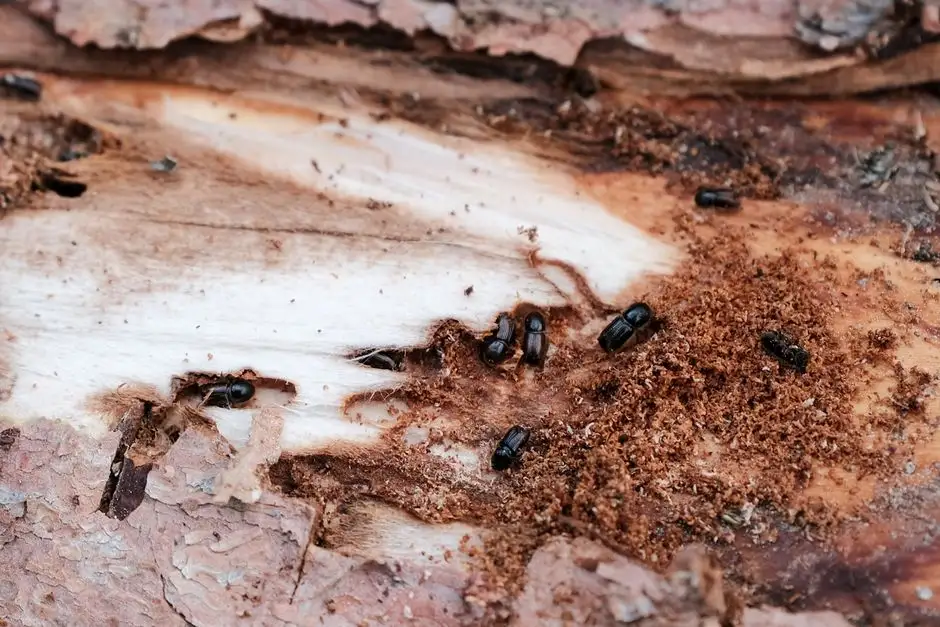
What wood destroying insect treatment Pittsburgh PA actually involves
Wood destroying insect treatment Pittsburgh PA is the process of inspecting, identifying, and eliminating insects that tunnel through structural lumber, then protecting that wood against future attack. In Allegheny County the usual suspects are eastern subterranean termites, powderpost beetles, old house borers, and carpenter ants. We confirm the species first, because a beetle needs a borate injection while termites need a soil termiticide barrier and bait stations. Then we treat the active colony, seal the entry points, and set a monitoring schedule.
Pittsburgh's housing stock is a termite buffet. The city has thousands of pre-1950 homes with original wood sill plates sitting close to grade, plus the damp basements and humid summers that subterranean termites love. If you have noticed mud tubes, frass, hollow-sounding trim, or swarmers near a window, you need a wood destroying insect inspection Pittsburgh Pennsylvania before spring. Our team handles wood destroying insect control Pittsburgh Pennsylvania for single-family homes, duplexes, and small commercial buildings across the metro.
Why Pittsburgh homeowners treat wood destroying insects early
Catching an infestation in year one costs a fraction of what structural repair costs in year five. Here is what our wood destroying insect treatment Pittsburgh PA service delivers for local property owners.
Stop structural damage
Termites cause roughly $5 billion in U.S. property damage every year, and most homeowner policies exclude it. Treating early keeps the damage confined to a few linear feet of lumber instead of a load-bearing wall. Our wood destroying insect treatment in Pittsburgh Pennsylvania halts the colony before it reaches your floor joists.
Protect resale value
A Pittsburgh home sale almost always triggers a wood destroying insect inspection, and active infestation can kill a closing in 48 hours. A documented treatment with a warranty gives buyers and lenders the paper trail they want. We provide the treatment record and monitoring report your realtor needs.
Same-week scheduling
We book most wood destroying insect exterminator Pittsburgh PA same day or next day calls within 24 to 48 hours. If you see swarmers, hear hollow tapping, or find frass piles, do not wait until spring. Early season treatments are faster and cheaper than peak-summer emergency jobs.
Warranty-backed results
Every full treatment comes with a renewable warranty and a follow-up inspection at 30 and 90 days. If activity returns inside the covered zone, we retreat at no charge. That is how an affordable wood destroying insect treatment in Pittsburgh PA should work.
Our wood destroying insect treatment process, step by step
Every job follows the same five-step sequence so you know exactly what happens, when, and why. Most residential treatments finish in one visit, with a return trip for monitoring.
Phone triage
You call, we ask three questions: what you saw, where you saw it, and when. That tells us whether to send a termite specialist or a general technician. We schedule the inspection within 24 to 48 hours, and we text you a confirmation with the technician's name.
Full inspection
The technician walks the exterior and interior with a UV flashlight and moisture meter, checking sill plates, crawlspaces, deck posts, and any wood within 18 inches of soil. A typical single-family inspection takes 45 to 90 minutes. You get photos and a written report the same day.
Species ID and plan
We confirm whether you have termites, powderpost beetles, old house borers, or carpenter ants, because each requires a different treatment. You get a written scope with the product, the application area, and the price before we start. No surprises on the invoice.
Treatment day
Termite jobs use a soil-applied termiticide like fipronil or imidacloprid plus bait stations around the perimeter. Beetle jobs use borate injections into the affected lumber. Most treatments take three to six hours. We mask outlets, cover floors, and clean up before we leave.
Monitor and warranty
We return at 30 and 90 days to check bait stations and re-inspect treated zones. If activity shows up inside the warranty area, we retreat at no cost. You get a written warranty document you can hand to a buyer, lender, or insurance adjuster.
Eight years treating Pittsburgh's wood-destroying insects
We have been in business since 2018, and in that time our technicians have handled thousands of wood destroying insect jobs across Allegheny County. Every technician holds a PA Department of Agriculture Pesticide Applicator License and completes annual recertification through the Pennsylvania Pest Management Association. We are an NPMA member and follow Integrated Pest Management (IPM) Certified protocols on every job, which means we identify first, treat second, and monitor third.
- Every technician carries a current PA Department of Agriculture Pesticide Applicator License and completes annual continuing education.
- We are an NPMA Member and follow Integrated Pest Management (IPM) Certified protocols on every residential and commercial job.
- Our team has treated eastern subterranean termites, powderpost beetles, old house borers, and carpenter ants in thousands of Pittsburgh-area homes.
- We use Terminix-grade and BASF termiticides including fipronil and imidacloprid, applied to label specification every time.
- Our technicians are trained on thermal imaging cameras and moisture meters to find hidden activity behind drywall and under subfloors.
Why our wood destroying insect treatment Pittsburgh PA stands out
Plenty of companies will spray something and hand you a bill. We identify the species, treat the actual problem, and back the work with a written warranty. Here is what that looks like in practice.
Licensed and EPA certified
Every technician on our crew holds a PA Department of Agriculture Pesticide Applicator License and works under EPA Certified protocols. We are also an NPMA Member and carry full OSHA Compliance coverage on every jobsite.
Written warranty on every treatment
Full treatments come with a renewable warranty and 30- and 90-day follow-up inspections. If activity returns inside the covered zone, we retreat at no charge. You get the paperwork in writing, not a verbal promise.
Local Pittsburgh knowledge
We know which Pittsburgh neighborhoods see the worst subterranean termite pressure and which building styles are most vulnerable. Our wood destroying insect control Pittsburgh Pennsylvania service is built around Allegheny County soil, climate, and housing stock, not a generic national playbook.
Honest pricing, no upsells
You get a written scope and price before we start. If you only need a wood destroying insect inspection Pittsburgh Pennsylvania and no treatment, we tell you that. We would rather earn the next job than pad this one.
What is included in our wood destroying insect treatment
Every full treatment includes the inspection, species identification, the treatment itself, and a follow-up schedule. Some add-ons, like crawlspace encapsulation or structural repair, are quoted separately. Here is what you get on a standard job.
What's Included
Full property inspection
We inspect the foundation, crawlspace, sill plates, deck, porch, and any wood within 18 inches of soil. The technician uses a UV flashlight and moisture meter, and you get photos and a written report the same day.
Species identification
We confirm whether you have termites, powderpost beetles, old house borers, or carpenter ants before quoting a treatment. The species determines the product, the application method, and the price, so this step matters.
Targeted treatment application
Termite jobs get a soil-applied termiticide barrier plus bait stations. Beetle jobs get borate injections into the affected lumber. Carpenter ant jobs get a moisture correction plus a perimeter treatment. We use BASF, Syngenta, and Bayer products to label specification.
30- and 90-day follow-up
We come back at 30 and 90 days to check bait stations, re-inspect treated zones, and confirm the treatment is holding. If activity shows up inside the warranty area, we retreat at no charge.
Written warranty document
You get a renewable warranty you can hand to a buyer, lender, or insurance adjuster. The document lists the treated areas, the products used, and the coverage terms in plain language.
Prevention recommendations
We tell you what to fix to keep wood destroying insects from returning: grading, downspout extensions, crawlspace ventilation, and any wood-to-soil contact that needs to be broken. These are the same conditions that drew the insects in the first place.
Wood destroying insect problems we solve in Pittsburgh
Most Pittsburgh homeowners call us after they have already seen damage. Here are the problems we hear about most, and how we solve them.
Mud tubes on the foundation wall
Subterranean termites build these tubes to travel from soil to wood without drying out. Left alone, a mature colony can consume several linear feet of framing in a single season.
We break the soil-to-wood connection with a fipronil or imidacloprid barrier, install bait stations around the perimeter, and monitor for 90 days. Most Pittsburgh jobs stop new tube formation within two weeks.
Sawdust piles under furniture or framing
Frass is the calling card of powderpost beetles and old house borers. The larvae tunnel inside the wood, weakening joists and furniture frames from the inside out.
We inject affected lumber with a borate solution that penetrates the wood and kills the larvae. For severe cases we replace the damaged member and treat the surrounding framing as a preventive measure.
Hollow-sounding trim and soft sill plates
By the time wood sounds hollow, the interior has already been eaten. Sill plates and rim joists are load-bearing, so this is a structural problem, not a cosmetic one.
We treat the active infestation first, then document the damage with photos so you know what needs repair. We can refer a licensed carpenter for structural work if the damage is beyond treatment.
Spring swarmers near windows and doors
Swarmers mean a mature colony is reproducing. Each swarm can produce dozens of new colonies within a few hundred feet of your home.
We treat the source colony with a soil barrier and bait stations, then inspect the neighboring property line for satellite colonies. Spring is the busiest season for this call in Pittsburgh.
Carpenter ants in wall voids
Carpenter ants do not eat wood, but they excavate it for nests. A mature colony can hollow out a wall cavity and open the door for moisture and termites.
We locate the nest, treat it directly, and correct the moisture source that drew them in. Perimeter treatment with a residual product keeps new foragers out.
When Pittsburgh property owners call us for treatment
You are buying a pre-1950 home in Dormont and the inspection report flagged possible termite activity.
We run a full wood destroying insect inspection Pittsburgh Pennsylvania within 48 hours, confirm whether the activity is active or historical, and provide a written report the lender will accept. If treatment is needed, we quote it in writing before any work starts.
You close on time with a documented treatment plan and a warranty in hand.
You found frass under a workbench in your Brookline garage and want to know if it is beetles.
We inspect the affected lumber, confirm the species, and inject the wood with a borate solution if powderpost beetles are active. Most garage jobs finish in two to three hours.
The larvae are killed, the wood is protected, and you get a 30-day follow-up to confirm.
You manage a Shadyside rental and the tenant reported swarmers in the basement.
We schedule the inspection around the tenant, treat the source colony with a soil barrier and bait stations, and provide documentation for your records. We can coordinate directly with the tenant so you do not have to be on site.
The colony is eliminated, the tenant stays put, and you have warranty paperwork for the file.
You noticed a soft spot in your deck post in Mt. Lebanon and want it looked at before winter.
We inspect the deck, confirm whether the damage is from termites, beetles, or rot, and treat or recommend replacement as needed. Fall is a good time to catch this before the ground freezes.
You know exactly what you are dealing with and can plan the repair before spring.
Tools and methods we use for wood destroying insect treatment
Tools & Equipment
UV flashlights
Used during inspection to spot termite tubes, frass, and fluorescent residue that is invisible under normal light. Every technician carries one.
Moisture meters
We measure wood moisture content at sill plates, joists, and deck posts. Readings above 20 percent are a red flag for termites and beetles.
Thermal imaging cameras
Thermal cameras reveal temperature differences behind drywall and under subfloors, which helps us find hidden activity without cutting into finished surfaces.
Insecticide sprayers
We use professional-grade sprayers to apply soil termiticides and residual products evenly along foundation walls and perimeter zones.
Bait stations
Installed around the perimeter of the structure to intercept foraging termites and deliver slow-acting bait back to the colony.
Termite detectors
Monitoring devices placed inside bait stations to track termite activity between service visits.
Foggers
Used in specific crawlspace and attic situations where a targeted fog application reaches voids that a sprayer cannot.
Methods
Integrated Pest Management (IPM) Certified protocols
We identify the species first, treat the source, and monitor afterward. IPM reduces unnecessary pesticide use and produces better long-term results than blanket spraying, which is why every job we run follows IPM Certified standards.
Soil-applied termiticide barrier
We trench and treat the soil along the foundation with a termiticide like fipronil or imidacloprid. The barrier kills termites as they move from soil to wood and stays effective for years when applied to label specification.
Borate injection for beetle larvae
For powderpost beetles and old house borers, we drill small holes into the affected lumber and inject a borate solution. The borate penetrates the wood and kills the larvae inside without harming the structure.
Bait station monitoring
We install bait stations at 10- to 20-foot intervals around the perimeter and check them at each service visit. When termites hit a station, they carry the slow-acting bait back to the colony and eliminate it from the inside.
Exclusion and moisture correction
We seal gaps with exclusion mesh and copper wool, extend downspouts, and recommend grading fixes. Removing moisture and entry points is the cheapest long-term protection against wood destroying insects.
How wood destroying insect treatment runs in Pittsburgh
Pittsburgh's climate and housing stock create specific conditions for wood destroying insects. Western Pennsylvania gets about 38 inches of rain a year, and our humid summers push basement and crawlspace humidity above 60 percent, which is ideal for subterranean termites and powderpost beetles. The city's pre-1950 housing stock often has original wood sill plates sitting within inches of grade, and many older homes have unvented crawlspaces that trap moisture year-round. Spring swarmers typically show up in April and May, and that is when we get the most calls for wood destroying insect treatment in Pittsburgh Pennsylvania. Fall is the second-busiest season, because homeowners want the work done before the ground freezes and exterior inspections get harder. If you are searching for wood destroying insect control in Pittsburgh Pennsylvania 24/7, we answer emergency calls for active swarmers and visible termite activity, and we can usually schedule a technician within 24 to 48 hours. We work across Allegheny County, from the river valleys to the hilltop neighborhoods, and we know which ZIP codes see the heaviest termite pressure.
Service Areas
Older homes with original wood framing and mature tree canopy that keeps soil shaded and damp, which is prime termite habitat.
Mix of century-old homes and renovated properties with additions that often create new wood-to-soil contact points.
Hilltop neighborhood with clay-heavy soil that holds moisture and slows drainage, which encourages subterranean termite activity.
Rowhouse blocks with shared party walls mean termites can travel between units, so treatment often needs to address the whole block.
Suburban lots with mature landscaping and wood mulch beds right against the foundation, which is a common termite entry zone.
Local Considerations
Humid summers with 60 percent-plus basement humidity
Drives subterranean termite and powderpost beetle activity from May through September, and keeps crawlspace wood damp enough to attract insects year-round.
Clay-heavy Allegheny County soil
Drains slowly and holds moisture against foundation walls, which is why soil-applied termiticide barriers need careful trenching and application.
Pre-1950 housing stock with original sill plates
Older lumber is more porous and often sits closer to grade, so inspections need to check every inch of the rim joist and sill.
Freeze-thaw cycles from November through March
Limits exterior treatment windows, which is why fall is the best time to complete a soil barrier before the ground hardens.
Squirrel Hill termite barrier stops active colony
A homeowner found mud tubes on the basement wall in March and called us the same day. The inspection confirmed active eastern subterranean termites along 12 linear feet of foundation, with early damage to one sill plate.
We treated the soil with a fipronil barrier, installed 14 bait stations around the perimeter, and replaced the damaged sill section. The 30-day follow-up showed no new tubes, and the 90-day inspection confirmed zero activity.
Maintenance & Follow-up
Annual bait station monitoring and a moisture check each spring keep the barrier effective. The homeowner renews the warranty every year for continued coverage.
A homeowner noticed sawdust under a workbench and assumed it was from recent woodworking. The inspection found active powderpost beetles in three floor joists, with exit holes across roughly 8 linear feet of lumber.
We injected the affected joists with a borate solution and treated the surrounding framing as a preventive measure. The 30-day follow-up showed no new frass, and the joists tested dry at the 90-day check.
Maintenance & Follow-up
Keeping the garage humidity below 55 percent and re-inspecting every 12 months prevents reinfestation. The homeowner added a dehumidifier after our recommendation.
A property manager called after a tenant reported swarmers near a basement window. The inspection found a satellite termite colony in the crawlspace and early damage to a rim joist.
We treated the soil barrier, installed bait stations, and replaced the damaged rim joist section. The tenant stayed in the unit, and the property manager received warranty paperwork for the file within a week.
Maintenance & Follow-up
Quarterly bait station checks and an annual inspection keep the warranty active. The property manager now includes wood destroying insect monitoring in the building's annual maintenance schedule.
Frequently asked questions about wood destroying insect treatment
Have questions? We have answers.
Call UsHow much does wood destroying insect treatment cost in Pittsburgh Pennsylvania?
Most residential treatments run $450 to $1,800 in 2026, with the average Pittsburgh job landing near $850. Powderpost beetle injections on a small area can come in under $500, while full subterranean termite jobs with bait stations and a soil barrier usually run $1,200 to $1,800. Inspection fees are credited toward treatment if you book within 30 days.
Who is the best wood destroying insect exterminator in Pittsburgh PA?
The best exterminator is the one who identifies the species before quoting a treatment and backs the work with a written warranty. Ask for the technician's PA Department of Agriculture Pesticide Applicator License, the product label, and the warranty terms. We provide all three on every job, plus a 30- and 90-day follow-up inspection.
How to get rid of wood destroying insects in Pittsburgh Pennsylvania?
You get rid of them by confirming the species first, then treating the right way. Termites need a soil termiticide barrier plus bait stations. Powderpost beetles need borate injections into the infested lumber. Carpenter ants need moisture correction plus a perimeter treatment. DIY foggers rarely reach the colony and often make the problem worse.
What are signs of wood destroying insects in Pittsburgh Pennsylvania?
The clearest signs are mud tubes on foundation walls, frass or sawdust piles under wood, hollow-sounding trim, swarmers near windows in spring, and small exit holes in furniture or framing. Clicking or tapping sounds inside walls also point to carpenter ants or beetle larvae. If you see any of these, book a wood destroying insect inspection Pittsburgh Pennsylvania within a week.
Licensed, certified, and reviewed in Pittsburgh
Certifications
Reviews
Called on a Tuesday about mud tubes in the basement, had a technician at the house Wednesday morning. He confirmed termites, walked me through the treatment plan, and had the barrier and bait stations in by Friday. Follow-up at 30 and 90 days showed no activity.
I manage several rental properties in Pittsburgh and have used these guys for wood destroying insect treatment at three addresses. Every job was documented with photos, and the warranty paperwork was clean enough to hand straight to the lender.
Found powderpost beetles in my garage joists and was worried about the cost. They quoted a fair price, injected the affected lumber with borate, and came back twice to confirm the treatment held. No upsells, no pressure.
The technician explained the difference between termites and carpenter ants and showed me the frass under a magnifier. Scheduled the treatment for the next week and finished in one visit. The 90-day follow-up was on time and thorough.
Related pest control services we offer
Ant Control
Carpenter ants are one of the wood destroying insects we treat most often in Pittsburgh. Our ant control service targets the colony in the wall void, corrects the moisture source, and seals the entry trail so they do not come back next season.
Ant ControlBed Bug Treatment
Bed bugs and wood destroying insects sometimes show up in the same older Pittsburgh rental. We treat both, using heat and residual products for bed bugs and targeted termiticides or borates for the wood-destroying species, on one schedule.
Bed Bug TreatmentBee & Wasp Removal
Bees and wasps nesting in siding, soffits, or old deck posts often share space with moisture damage that attracts wood destroying insects. We remove the nest, then inspect the surrounding wood for termite or beetle activity while we are on site.
Bee & Wasp RemovalBird Control
Bird roosts on Pittsburgh rooflines leave droppings that trap moisture against fascia and soffit boards. That damp wood is exactly what powderpost beetles and termites look for. Our bird control work pairs with a wood inspection to catch problems early.
Bird ControlCockroach Control
Cockroach allergies and asthma triggers are a real concern in Pittsburgh multi-family buildings. We treat roaches with gel baits and insect growth regulators, and while we are in the unit we check under sinks and behind baseboards for moisture and wood-destroying insect activity.
Cockroach ControlCommercial Pest Control
Restaurants, warehouses, and property management companies across Allegheny County rely on us for scheduled pest control that includes wood destroying insect monitoring. We document every visit so you stay audit-ready for health inspectors and lenders.
Commercial Pest ControlCricket Control
Crickets thrive in the damp basements and crawlspaces common in older Pittsburgh homes, and that same moisture attracts termites and beetles. Our cricket control service includes a moisture check and a wood inspection so you are not just chasing the symptom.
Cricket ControlEarwig Control
Earwigs cluster in mulch beds and foundation cracks, the same zones where subterranean termites enter a Pittsburgh home. Treating earwigs gives us a chance to inspect the soil-to-sill transition and catch early termite tubes before they spread.
Earwig ControlFlea & Tick Treatment
Flea infestations and tick bites are a summer problem in Pittsburgh yards, especially where pets and wildlife overlap. We treat the yard and perimeter, and inspect any deck or shed wood for beetle or termite damage while we are there.
Flea & Tick TreatmentFly Control
Fly problems in Pittsburgh kitchens and dumpster areas often signal a moisture issue that also feeds wood destroying insects. We treat flies with baits and traps, then check nearby framing and door thresholds for soft wood.
Fly ControlGopher Control
Gophers and other burrowing wildlife can undermine a foundation and expose soil-to-wood contact that termites exploit. Our gopher control work includes a perimeter inspection so you know whether the digging opened a new entry point for wood destroying insects.
Gopher ControlHornet Removal
Hornets build nests under Pittsburgh eaves and inside wall voids, sometimes through openings created by wood-destroying insects. We remove the nest safely, then inspect the surrounding wood for rot, frass, or termite tubes.
Hornet RemovalMosquito Control
Mosquito-borne diseases are a real concern in Pittsburgh's wet summers, and the same standing water that breeds mosquitoes keeps foundation wood damp. Our mosquito program pairs with a wood inspection to address both problems at the source.
Mosquito ControlMoth Control
Moths attack fabrics, but their presence in a Pittsburgh basement often means high humidity, which is exactly what wood destroying insects need. We treat the moth problem and check the joists and sill plates while we are in the space.
Moth ControlMouse Control
Rodent droppings and gnaw marks are a health concern, and mice often use the same gaps termites exploit. Our mouse control service seals entry points with exclusion mesh and copper wool, then inspects the surrounding wood for insect damage.
Mouse ControlPest Inspections
A general pest inspection is the fastest way to find out what is active in your Pittsburgh home. We check for rodents, roaches, ants, and wood destroying insects in one visit, and give you a written report with photos and a treatment plan.
Pest InspectionsPest Proofing & Exclusion
Sealing gaps around pipes, sill plates, and foundation vents with exclusion mesh and copper wool keeps rodents and insects out. We pair exclusion work with a wood inspection so any existing damage is documented before it gets worse.
Pest Proofing & ExclusionRat Control
Rats in Pittsburgh alleys and basements cause real property damage and carry disease. We use rodenticide in tamper-resistant bait stations and glue boards in safe locations, then inspect the wood framing for termite or beetle activity.
Rat ControlRodent Control
Rodent control in Pittsburgh means sealing entry points, removing food sources, and trapping the active population. While we are in the crawlspace or basement, we check for termite tubes and frass, since rodents and wood destroying insects often share the same routes.
Rodent ControlSilverfish Control
Silverfish thrive in the humid basements and attics common across Allegheny County, and that same humidity attracts wood destroying insects. We treat silverfish with residual products and check the framing for moisture damage.
Silverfish ControlSpider Control
Spiders follow their prey, so a spider problem often means another insect problem underneath. We treat spiders and inspect for the wood destroying insects that may be feeding them, especially in crawlspaces and garages.
Spider ControlStink Bug Control
Stink bugs invade Pittsburgh homes every fall through gaps in siding and window frames. We treat the exterior with residual products and seal entry points, then inspect the surrounding wood for moisture damage that could invite termites.
Stink Bug ControlTermite Inspections
A termite inspection is the first step in any wood destroying insect treatment plan. We check the foundation, crawlspace, deck, and any wood-to-soil contact, then give you a written report with photos and a treatment recommendation.
Termite InspectionsTermite Treatment
Termites are the most destructive wood destroying insect in Pittsburgh. Our termite treatment combines a soil-applied termiticide barrier with bait stations and a renewable warranty, so the colony is eliminated and the structure is protected going forward.
Termite TreatmentTick Control
Tick bites and tick-borne illness are a growing concern in western Pennsylvania. We treat yards and woodlines with residual products, and inspect any shed, deck, or outbuilding wood for beetle and termite activity while we are there.
Tick ControlWildlife Removal
Wildlife intrusion into Pittsburgh attics and crawlspaces often opens gaps that wood destroying insects then use. We remove the animal humanely, seal the entry, and inspect the surrounding framing for damage.
Wildlife RemovalYellow Jacket Removal
Yellow jackets nest in Pittsburgh wall voids and ground burrows, sometimes using openings created by wood-destroying insects. We remove the nest safely and inspect the surrounding wood for rot, frass, or termite activity.
Yellow Jacket RemovalWhat Pittsburgh customers say about our work
Real experiences from customers who chose our Wood Destroying Insect Treatment services
"We found mud tubes on the basement wall in March and panicked. The technician came out the next morning, confirmed eastern subterranean termites, and had the soil barrier and bait stations in by the end of the week. The 90-day follow-up showed zero activity. Worth every dollar."
Marcus T.
Homeowner, Squirrel Hill
"I manage six older rental units in Shadyside and needed a wood destroying insect exterminator Pittsburgh PA who could work around tenants. They scheduled each unit separately, documented everything with photos, and gave me the warranty paperwork for each address. Two years in and no repeat issues."
Priya S.
Property Manager, Shadyside
"I thought the sawdust under my workbench was just sawdust. Turned out to be powderpost beetles in the floor joists. They injected the affected lumber with borate, showed me the exit holes, and came back at 30 and 90 days to confirm the treatment held. Honest pricing, no upsells."
Dan R.
Homeowner, Brookline
Book wood destroying insect treatment Pittsburgh PA this week
Every day you wait, the colony grows and the repair bill climbs. We are licensed, EPA Certified, and backed by a written warranty on every full treatment. Call now and we will get a technician to your Pittsburgh property within 24 to 48 hours.