Tick control Pittsburgh PA for yards, pets, and wooded lots
Allegheny County tick treatment that targets the nymphs you never see
Our tick control Pittsburgh PA service clears blacklegged and lone star ticks from lawns, fence lines, and trail edges across Allegheny County. If your dog keeps coming back with ticks after a Squirrel Hill walk, or you found one on your ankle after a North Park hike, we treat the yard and the vegetation that shelters them. We've run tick exterminator Pittsburgh PA calls since 2018, so we know where these pests hide in western Pennsylvania.
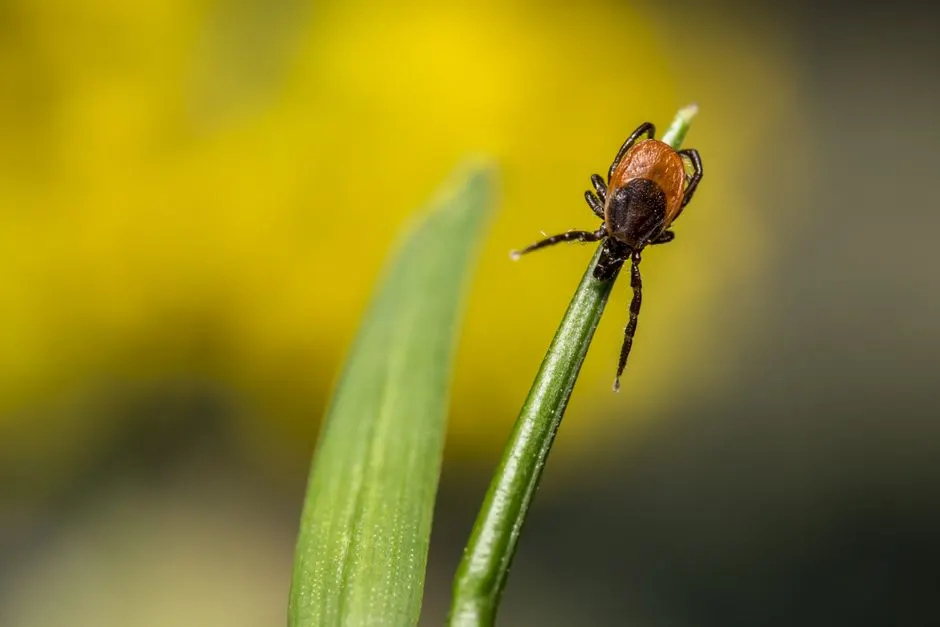
Tick control Pittsburgh PA: what the treatment actually does
Tick control Pittsburgh PA is a targeted pesticide and habitat service that knocks down tick populations in the zones where people and pets actually spend time. Ticks don't drop from trees. They climb grass blades and shrub stems, wait for a host to brush past, then latch on. We treat the 2- to 3-foot band of vegetation along lawn edges, stone walls, woodpiles, and fence lines, plus the leaf litter where nymphs shelter. We use residual products like bifenthrin and, where appropriate, diatomaceous earth in dry, low-traffic spots.
Western Pennsylvania's humid summers and heavy oak and maple canopy make Allegheny County prime tick habitat. Blacklegged ticks here carry Lyme disease, anaplasmosis, and babesiosis, and the nymphs that transmit most infections are the size of a poppy seed. If you've been searching for tick control in Pittsburgh Pennsylvania near me, the answer is a two-visit spring and fall program, not a single spray. We start in April or May when nymphs emerge, then return in September or October for adult ticks.
Why Pittsburgh homeowners book tick treatment
A yard with a real tick problem doesn't fix itself. These are the four outcomes our customers care about most, and what each one looks like after we finish.
Fewer ticks on pets
Dogs pick up ticks within minutes in untreated grass. After our first treatment, most customers report finding zero to two ticks per week on their pets, down from ten or more. We treat the exact edges where dogs sniff and roll, not the whole lawn.
Safer kids and yards
Kids playing in leaf piles and at the woodline are the highest-risk group for tick bites. Our tick removal Pittsburgh Pennsylvania program clears the vegetation band where nymphs quest, cutting bite exposure on the parts of the yard children actually use.
Two-visit seasonal coverage
One spray won't hold through a Pittsburgh season. We schedule a spring nymph treatment and a fall adult treatment, timed to the local tick lifecycle. Customers on the two-visit plan see 80 to 90 percent fewer ticks than untreated neighbors.
Clear, upfront pricing
Affordable tick control in Pittsburgh PA means you know the number before we start. Most residential yards run $180 to $450 per visit depending on lot size and vegetation. No surprise add-ons, no pressure to sign a long contract.
Our tick control process, step by step
Every job follows the same five steps. You'll know what's happening, how long it takes, and when you can let the dog back out.
Yard inspection
A licensed technician walks your property with a UV flashlight and moisture meter, checking the lawn edge, woodpiles, stone walls, and shaded beds. We flag the questing zones and note any rodent activity, since mice and chipmunks carry ticks into the yard. The inspection takes 20 to 30 minutes.
Custom treatment plan
We map the yard into high-, medium-, and low-risk zones and pick products accordingly. Shaded, humid edges get a residual spray. Dry, sunny lawn gets a lighter touch. You get a written plan with the products named and the price locked in before we spray anything.
Targeted application
On treatment day, we apply bifenthrin or a comparable residual to the vegetation band, fence lines, and leaf litter using a calibrated insecticide sprayer. Treatment of a typical quarter-acre yard takes 45 to 90 minutes. We keep kids and pets off treated areas for about an hour while it dries.
Rodent and habitat work
Ticks hitch rides on mice and voles, so we set bait stations and rodent traps along the same edges we sprayed. We also recommend leaf-litter removal and brush clearing where it will meaningfully cut habitat. This step is what separates a real tick program from a one-off spray.
Follow-up and monitoring
We return in 30 to 45 days to check tick activity with drag-cloth sampling. If counts are still high, we retreat at no extra charge. You also get a fall reminder for the adult-tick visit, timed to the first cool nights when adult blacklegged ticks become active again.
Tick expertise built in Allegheny County
We've been treating Pittsburgh yards since 2018, and tick work has been part of our book from the start. Our technicians hold PA Department of Agriculture Pesticide Applicator Licenses and follow Integrated Pest Management (IPM) principles, which means we identify the species, treat the source, and monitor results instead of spraying on a calendar. We're an NPMA Member and carry EPA Certified credentials on the products we apply. Every technician who touches a tick job knows the difference between a blacklegged nymph and a dog tick, because the treatment zones and timing aren't the same.
- PA Department of Agriculture Pesticide Applicator License held by every technician on staff
- Integrated Pest Management (IPM) Certified approach: identify, treat, monitor, adjust
- Trained to distinguish blacklegged, lone star, and American dog ticks on sight
- Experienced with BASF and Syngenta residual products for residential tick work
- 8 years serving Pittsburgh yards, from quarter-acre lots to multi-acre wooded properties
Why Pittsburgh homeowners choose our tick control Pittsburgh PA team
We're not the biggest pest company in Allegheny County, and we don't try to be. We're the one that shows up, treats the right zones, and comes back to check the work.
Licensed and insured
Every technician carries a current PA Department of Agriculture Pesticide Applicator License, and we're fully insured for residential work. We're an NPMA Member and follow QualityPro standards on documentation and safety. You can ask to see credentials on site.
Same-day and next-day slots
If you found a tick on your child this morning, we can usually get a tick exterminator Pittsburgh PA same day or next day. Spring and early summer are our busiest weeks, so call early. We keep two slots open daily for urgent calls.
Two-visit seasonal program
Our tick treatment Pittsburgh Pennsylvania program runs a spring nymph visit and a fall adult visit. That timing matches the local lifecycle and delivers far better results than a single mid-summer spray. You get reminders so you don't have to track the calendar.
Real follow-up, not a sales call
We come back at 30 to 45 days to drag-sample the yard and confirm the tick count dropped. If it didn't, we retreat at no charge. That's the difference between a tick pest control Pittsburgh PA company that sprays and one that solves the problem.
What's included in our tick treatment
Every tick job includes the core work below. Add-ons like rodent baiting or full-yard mosquito treatment are quoted separately if you want them.
What's Included
Full yard inspection
A licensed technician walks the property with a UV flashlight and moisture meter, flags questing zones, and checks for rodent activity. You get a written plan before any product is applied.
Targeted vegetation treatment
We apply a residual insecticide like bifenthrin to the 2- to 3-foot band along lawn edges, fence lines, stone walls, and woodpiles. This is where ticks actually quest, not the middle of the lawn.
Leaf litter and habitat treatment
Shaded leaf litter and mulch beds get treated with the appropriate product, including diatomaceous earth in dry spots. We also flag any brush or debris that should be cleared to reduce habitat.
Rodent baiting along edges
Mice and voles carry ticks into the yard. We set bait stations and rodent traps along the same edges we sprayed, cutting the population that keeps reintroducing ticks.
30- to 45-day follow-up
We return to drag-sample the yard and confirm tick counts dropped. If activity is still high, we retreat at no extra charge. You also get a fall reminder for the adult-tick visit.
Tick problems we solve in Pittsburgh yards
These are the four calls we get most often from Allegheny County homeowners. If any of them sound familiar, you're not alone, and you don't have to live with it.
Pets picking up ticks after every walk
Ticks on dogs and cats mean bites, potential disease, and constant vet checks. It also means the yard has an active population, not just a stray tick from the park.
We treat the exact edges where pets sniff and roll, plus the leaf litter where nymphs wait. Most customers see pet tick counts drop to zero to two per week after the first visit.
Finding ticks on kids after playing outside
Children playing in leaf piles and at the woodline are the highest-risk group for tick bites and Lyme disease in Pennsylvania. One missed nymph can mean weeks of worry.
Our tick removal Pittsburgh Pennsylvania program clears the vegetation band where nymphs quest, cutting bite exposure on the parts of the yard kids actually use. We also flag the highest-risk spots so you know where to check.
Ticks showing up indoors after time outside
Ticks that come in on clothing or pets can drop off and survive indoors for days. Finding one crawling on the couch is a sign the yard population is high.
We treat the yard first, since that's the source, then check entry points and pet resting areas. If ticks are getting inside regularly, we add a perimeter treatment to the plan.
Wooded lot with constant tick pressure
Properties backing onto woods or greenways have a permanent tick reservoir. One spray won't hold, and the problem returns within weeks.
We build a two-visit seasonal program timed to the local lifecycle, plus rodent baiting along the woodline. Customers on wooded lots in Penn Hills and Baldwin see 80 to 90 percent reduction after a full season.
When to book tick treatment in Pittsburgh
You just found a tick on a family member after time in the yard or a local trail.
Call us and we'll get a technician out within a day or two for an inspection and first treatment. We treat the vegetation band, leaf litter, and any rodent runs we find.
Most customers see tick activity drop sharply within a week, and the follow-up visit confirms the count is down.
You have a dog that spends time in the yard daily and you're pulling ticks off every week.
We set up the two-visit spring and fall program and treat the exact edges your dog uses. Rodent baiting along the fence line cuts the population that keeps reintroducing ticks.
Pet tick counts typically drop to zero to two per week after the first treatment, and stay low through the season.
You just bought a home backing onto woods or a greenway in Allegheny County.
We inspect the property, map the questing zones, and start a seasonal program before the next nymph emergence. We also flag any habitat issues like leaf piles or brush that should be cleared.
You start ownership with a treated yard and a plan, instead of discovering the tick problem the hard way in spring.
You're hosting an outdoor event and want the yard cleared beforehand.
We schedule a treatment 5 to 7 days before the event so the residual has time to work. We treat the lawn edges, patio perimeter, and any shaded areas guests will use.
Guests and pets spend the day outside with minimal tick exposure, and the residual keeps working for weeks after.
Tools and methods we use for tick work
Tools & Equipment
Calibrated insecticide sprayers
Apply residual products like bifenthrin evenly to the vegetation band and fence lines. Calibration ensures the right dose per square foot, not too much or too little.
UV flashlights
Used during inspection to spot rodent urine trails and other signs that ticks are being carried into the yard by mice and voles.
Moisture meters
Identify the damp, shaded zones where tick nymphs survive longest. These are the areas that get the most attention in the treatment plan.
Bait stations and rodent traps
Cut the rodent population that carries ticks into the yard. We use tamper-resistant stations placed along the same edges we treat.
Drag cloths
Standard sampling tool for measuring tick activity before and after treatment. We drag the same transects at the follow-up visit to confirm results.
Thermal imaging cameras
Used on commercial and multi-unit properties to find rodent harborage and moisture issues that support tick habitat.
Methods
Integrated Pest Management (IPM)
We identify the tick species, treat the source, and monitor results instead of spraying on a fixed calendar. This is the standard we follow on every job and the reason our follow-up visits matter.
Two-visit seasonal timing
Spring treatment targets nymphs when they emerge in April and May. Fall treatment targets adult blacklegged ticks when they become active again in September and October. Matching the local lifecycle is what makes the program work.
Zoned application
We divide the yard into high-, medium-, and low-risk zones and treat each accordingly. Shaded edges and leaf litter get full treatment. Open sunny lawn gets a lighter touch, which reduces product use and cost.
Rodent-tick break
Ticks hitch rides on mice and voles. By setting bait stations and traps along the same edges we spray, we cut the population that keeps reintroducing ticks into the yard.
How tick control runs in Pittsburgh specifically
Pittsburgh's tick season runs longer than most of Pennsylvania because of the city's humid summers and heavy tree canopy. Blacklegged tick nymphs emerge in April and peak in May and June. Adults become active again in October and stay out until hard frost, sometimes into December in mild years. Allegheny County's older neighborhoods, like Squirrel Hill, Shadyside, and Mt. Lebanon, have mature oaks and maples that drop the leaf litter ticks need to survive winter. Newer suburbs like Penn Hills and Baldwin have more edge habitat where lawns meet woods, which is prime questing ground. Our tick control in Pittsburgh Pennsylvania program is timed to these local patterns, not a generic national schedule. If you're searching for tick pest control Pittsburgh Pennsylvania cost, the honest answer is that a wooded lot costs more to treat than a quarter-acre city yard, and we quote both the same way: after we walk the property.
Service Areas
Mature tree canopy and heavy leaf litter make this one of the highest tick-pressure neighborhoods in the city. Spring treatment timing matters more here than almost anywhere else.
Large lots backing onto wooded greenways create constant tick pressure. Two-visit programs with rodent baiting along the woodline work best.
Half-acre and larger lots with lawn-to-woods edges are prime questing habitat. We treat the edge band heavily and flag any brush that should be cleared.
Riverfront properties and trail-adjacent yards see tick activity from deer and small mammals moving along the river corridor. Perimeter treatment is key here.
Smaller city lots with shared fence lines need a different approach. We treat the fence band and any shaded beds, and coordinate with neighbors when possible.
Local Considerations
Humid summers with heavy tree canopy
Shade and moisture let tick nymphs survive longer in the vegetation band. This is why Pittsburgh yards need treatment earlier in spring than drier parts of the state.
Mild falls that delay hard frost
Adult blacklegged ticks stay active into November and sometimes December. Our fall treatment window runs later here than the national average.
Older housing stock with stone walls and woodpiles
These features create ideal tick harborage and rodent runs. We treat them specifically rather than spraying the whole yard evenly.
Deer and small mammal traffic along greenways
Properties near parks, trails, and river corridors see constant tick reintroduction. Rodent baiting and perimeter treatment are essential, not optional.
Squirrel Hill yard with heavy nymph pressure
A quarter-acre Squirrel Hill yard with mature oaks and heavy leaf litter. The homeowner was pulling three to four ticks off the dog every week and had found two on her son. A single hardware-store spray in May had done nothing.
After the first treatment in late April and a follow-up at 40 days, drag sampling showed tick counts down roughly 85 percent. The dog picked up zero ticks in the two weeks after the follow-up visit.
Maintenance & Follow-up
The homeowner is on the two-visit spring and fall program. We also recommended clearing the leaf pile at the back fence, which cut habitat significantly.
A half-acre Penn Hills lot backing onto woods. The family had stopped letting the kids play in the back yard after a summer of repeated tick bites. Two prior one-off sprays from another company had failed within weeks.
We treated the vegetation band, leaf litter, and woodline, and set rodent bait stations along the fence. At the 45-day follow-up, tick counts were down about 90 percent and the kids were back outside.
Maintenance & Follow-up
The family stays on the spring and fall program, and we retreat the woodline each spring. Brush clearing along the back fence is on their annual list.
A Mt. Lebanon homeowner with two dogs was finding ticks on both animals after every walk in the neighborhood. The yard had a shaded fence line and a stone wall that had never been treated.
We treated the fence line, stone wall, and shaded beds, and set bait stations for mice. Within a week, the homeowner reported zero ticks on either dog. The 40-day follow-up confirmed the count was still near zero.
Maintenance & Follow-up
Two-visit seasonal program with a fall treatment timed to adult tick activity. The homeowner also switched to a vet-recommended tick preventive for both dogs.
Frequently asked questions about tick control in Pittsburgh
Have questions? We have answers.
Call UsHow much does tick control cost in Pittsburgh Pennsylvania?
Most residential tick treatments in Pittsburgh run $180 to $450 per visit in 2026, depending on lot size, vegetation density, and whether rodent work is included. A typical quarter-acre yard with moderate landscaping lands near $250. The two-visit seasonal program usually comes in between $400 and $800 total. We quote the exact number after the yard inspection, so there's no guessing.
Who is the best tick exterminator in Pittsburgh PA?
The right answer is the company that inspects your specific yard, treats the questing zones instead of the whole lawn, and comes back to verify results. We've been doing tick work in Allegheny County since 2018, hold PA Department of Agriculture Pesticide Applicator Licenses, and follow IPM protocols. Ask any company you call whether they drag-sample after treatment. If they don't, keep looking.
How to get rid of ticks in Pittsburgh Pennsylvania?
You get rid of ticks by treating the vegetation band where they quest, reducing the rodent population that carries them, and clearing leaf litter and brush. One spray won't do it. Our two-visit program hits nymphs in spring and adults in fall, which matches the local lifecycle. Most customers see tick counts drop 80 to 90 percent after the first full season.
Are ticks dangerous in Pittsburgh Pennsylvania?
Yes. Blacklegged ticks in Allegheny County carry Lyme disease, anaplasmosis, and babesiosis, and the nymphs that transmit most infections are poppy-seed sized and easy to miss. Pennsylvania consistently ranks among the top states for confirmed Lyme cases. A yard treatment program cuts your exposure, but check yourself and your pets after any time in tall grass or woods.
Licensed, certified, and reviewed
Certifications
Reviews
Called about ticks on our dog and they got us in the next morning. The technician walked the whole yard, explained what he was doing, and showed us the spots where ticks were questing. Price was exactly what they quoted. Follow-up visit confirmed the count was way down.
We have a wooded lot in Penn Hills and had tried everything. These guys treated the edges and set bait stations for mice, which nobody else had suggested. Six weeks later, no ticks on the kids. Should have called them two summers ago.
Professional from the first call. Licensed, insured, and they actually came back to check the work instead of just taking the money and running. Signed up for the spring and fall program. Highly recommend for anyone in Allegheny County dealing with ticks.
Found a tick on my daughter in May and panicked. They fit us in same day, treated the yard, and explained why one spray wouldn't be enough. The two-visit program has kept our yard clear all season. Worth every penny.
Other pest services we handle in Pittsburgh
Ant Control
Carpenter ants and pavement ants move through the same shaded edges and mulch beds where ticks live. Treating both in one visit saves you a second service call and keeps the perimeter clean.
Ant ControlBed Bug Treatment
Bed bugs and ticks both feed on blood, but the treatment is completely different. If you're getting bites indoors at night, it's likely bed bugs, not ticks. We inspect and confirm before treating.
Bed Bug TreatmentBee & Wasp Removal
Ground-nesting yellow jackets and wasps often build in the same brushy edges and stone walls where ticks shelter. Clearing one problem usually means addressing the other at the same time.
Bee & Wasp RemovalBird Control
Birds and their nests bring ticks and other parasites close to your home. We remove nesting sites and install exclusion mesh to break the cycle around eaves, porches, and outbuildings.
Bird ControlCockroach Control
Cockroach allergens are a real health issue in Pittsburgh's older housing stock. We use bait stations and insect growth regulators to knock down populations in kitchens and basements.
Cockroach ControlCommercial Pest Control
Restaurants, offices, and retail spaces in Allegheny County need documented pest programs for health inspections. We build IPM plans that cover ticks, rodents, and everything else on the report.
Commercial Pest ControlCricket Control
Crickets invade Pittsburgh basements and garages in late summer and fall. We treat entry points and use glue boards to catch them before they establish indoors.
Cricket ControlEarwig Control
Earwigs thrive in the same damp mulch and leaf litter that ticks prefer. Reducing moisture and treating the perimeter handles both pests in one pass.
Earwig ControlFlea & Tick Treatment
Fleas and ticks often arrive together, especially if you have pets. Our combined treatment covers the yard, entry points, and pet resting areas so you're not chasing one pest while the other rebounds.
Flea & Tick TreatmentFly Control
Flies breed in the same warm, organic-rich spots that attract other pests. We use foggers and residual treatments to break the breeding cycle around trash areas and drains.
Fly ControlGopher Control
Gophers and groundhogs create burrows that become tick habitat at the edges. We use trapping and exclusion to remove them and close the tunnels.
Gopher ControlHornet Removal
Bald-faced hornets build large paper nests in trees and eaves. We remove nests safely with bee suits and treat the area so they don't rebuild in the same spot.
Hornet RemovalMosquito Control
Mosquitoes and ticks share the same humid, shaded habitat in Pittsburgh yards. Treating both in one seasonal program gives you a yard you can actually use from May through September.
Mosquito ControlMoth Control
Clothes moths and pantry moths are an indoor problem, but the same inspection visit can catch them. We use pheromone traps and targeted treatments to clear infestations.
Moth ControlMouse Control
Mice carry ticks into your yard and home. We set rodent traps and bait stations along the same edges we treat for ticks, cutting the population that keeps reintroducing them.
Mouse ControlPest Inspections
A full pest inspection covers ticks, rodents, termites, and other issues in one visit. It's the right starting point if you've just bought a Pittsburgh home or noticed multiple problems.
Pest InspectionsPest Proofing & Exclusion
Sealing gaps, installing exclusion mesh, and repairing screens keeps ticks, rodents, and insects out of your home. We do the work in one visit and document what was sealed.
Pest Proofing & ExclusionRat Control
Rats and mice both carry ticks into yards and outbuildings. We use rodenticide in secured bait stations and traps to bring populations down around the same edges we treat.
Rat ControlRodent Control
Rodents are the tick's main transport into residential yards. Our rodent program pairs bait stations with exclusion work to cut the population that keeps ticks coming back.
Rodent ControlSilverfish Control
Silverfish thrive in damp basements and crawl spaces, the same conditions that attract other pests. We treat with diatomaceous earth and boric acid in the right spots.
Silverfish ControlSpider Control
Spiders build webs in the same shaded corners and eaves where ticks shelter. Perimeter treatment handles both and cuts the insect prey that keeps spiders around.
Spider ControlStink Bug Control
Brown marmorated stink bugs invade Pittsburgh homes every fall. We treat entry points and use exclusion work to keep them out before they cluster indoors.
Stink Bug ControlTermite Inspections
Termites and ticks are unrelated pests, but both need a professional inspection. We check for termite damage, mud tubes, and moisture issues while we're on site for tick work.
Termite InspectionsTermite Treatment
If termites are active, we install termite bait and treat the soil with a labeled termiticide. This is separate from tick work but often scheduled in the same season.
Termite TreatmentWildlife Removal
Raccoons, opossums, and groundhogs carry ticks into yards and under decks. We remove wildlife humanely and seal entry points so they don't return.
Wildlife RemovalWood Destroying Insect Treatment
Carpenter ants, termites, and powderpost beetles all damage Pittsburgh homes. We inspect, identify the species, and treat with the right product for each.
Wood Destroying Insect TreatmentYellow Jacket Removal
Yellow jackets nest in the ground and in wall voids, often near the same brushy edges where ticks live. We remove nests with bee suits and treat the entry point.
Yellow Jacket RemovalWhat Pittsburgh customers say
Real experiences from customers who chose our Tick Control services
"We were pulling three or four ticks off our golden retriever every week after walks in Frick Park. After the first treatment, we went almost two weeks with zero. The technician walked the whole yard, showed us the questing spots along the fence, and set bait stations for mice. Second visit in October and we've barely seen a tick since."
Megan R.
Homeowner, Squirrel Hill
"Half-acre wooded lot, and my kids were getting bitten every time they played outside. I'd tried the hardware store sprays with no luck. These guys treated the vegetation band and the leaf litter, and the difference was obvious within a week. They came back at 40 days to drag-sample and confirm the count was down."
Dave K.
Homeowner, Penn Hills
"Found a tick on my daughter's scalp in May and called around. They got us in the next morning. The inspection was thorough, the price was exactly what they quoted, and they explained why one spray wouldn't be enough. Signed up for the spring and fall program. Worth every dollar for the peace of mind alone."
Priya S.
Homeowner, Mt. Lebanon
Book tick control Pittsburgh PA before the season turns
Fall is adult blacklegged tick season in Allegheny County, and spring nymphs are only a few months out. Call now and we'll get a licensed technician to your yard this week. Free inspection, upfront price, no contract required.