Gopher control Pittsburgh PA that ends the tunneling for good
Licensed gopher exterminators serving Allegheny County since 2018
Gopher control Pittsburgh PA starts with finding every active tunnel, not guessing at it. Our technicians map the runways, set professional traps and bait stations, and come back until the mound count hits zero. If you have fresh dirt piles in your yard, garden, or ball field, call us. We handle gopher removal Pittsburgh Pennsylvania homeowners and property managers rely on, usually within 24 to 48 hours of your first call.
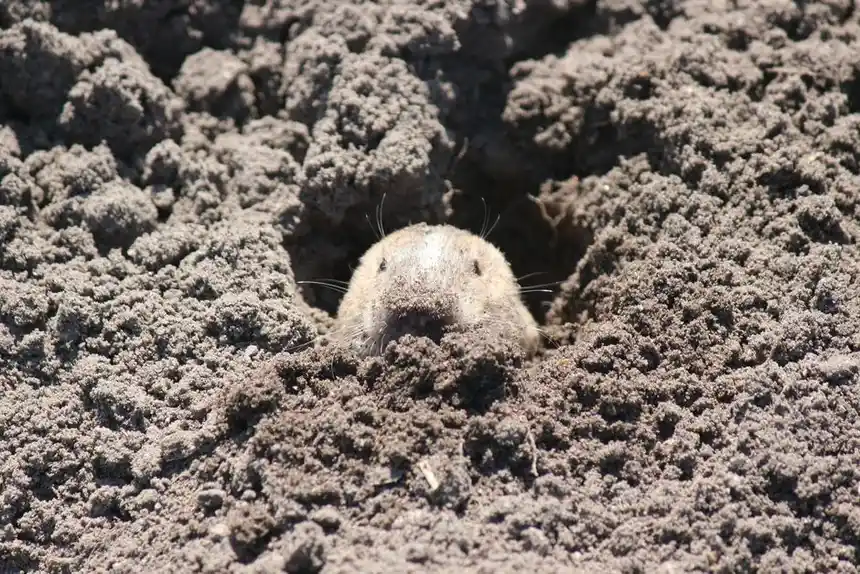
What gopher control Pittsburgh PA actually involves
Gopher control Pittsburgh PA is the process of locating active pocket gopher tunnel systems, removing the animals, and sealing the ground so new ones cannot move in. It is not scattering a few pellets and hoping. A single pocket gopher can push up 1 to 3 fresh mounds a day and run 200 feet of tunnel in a season. We start by probing the soil with a moisture meter and a probe rod to find the main runway, the deeper tunnel gophers use daily. Then we set traps in pairs, check them every 24 to 48 hours, and keep going until the ground stays flat for a full week.
In Pittsburgh, gophers show up most in the sloped yards of Brookline, Beechview, and Mount Washington, where the soil is loose and drainage is uneven. They also wreck garden beds in Squirrel Hill and Shadyside and tear up the outfields at neighborhood ball fields. If you are searching for gopher control in Pittsburgh Pennsylvania near me, the tell is simple: horseshoe-shaped mounds, no hole visible, and soil that feels soft when you walk it. Call us before the tunnels spread under a driveway or patio slab, because that repair costs far more than the trapping.
Why Pittsburgh homeowners book gopher control
Gophers do not stop at the property line. They follow food and soft soil, and one untreated yard feeds the next. Here is what changes once our team gets the tunnels under control.
Stop the mound cycle
A pocket gopher pushes up 1 to 3 mounds a day, and each one buries grass and garden beds. We break the cycle by trapping the active runways instead of chasing the mounds. Most yards stop producing new dirt piles within 5 to 7 days of the first trap check.
Protect slabs and driveways
Tunnels running 6 to 12 inches below grade hollow out the soil under concrete. That is how driveways crack and patios sink. Catching gophers early keeps the soil under your slab intact. We flag tunnel lines near hardscape on the first visit so you know where the risk is.
Save the garden and lawn
Gophers pull entire plants underground by the root, and they do it overnight. Vegetable beds in Lawrenceville and Bloomfield take the worst hit. Our gopher pest control Pittsburgh PA program clears the runways, then we show you how to monitor for new activity so replanting actually holds.
One flat fee, no surprise visits
You get a written price before we set a single trap, and it covers the follow-up checks until activity stops. No per-mound charges, no add-on fees for a second trip. That is what affordable gopher control in Pittsburgh PA should look like, and it is how we have run since 2018.
Our gopher control process, step by step
Every job follows the same five steps, whether it is a half-acre yard in Penn Hills or a commercial lot in the Strip District. You will know what happens on each visit before we start.
Inspection and tunnel mapping
We walk the property, flag every fresh mound, and probe for the main runway. A moisture meter and a soil probe tell us which tunnels are active right now versus old. This takes 30 to 45 minutes on a typical quarter-acre lot, and you get a clear read on how far the system spreads.
Custom treatment plan
Based on tunnel depth and soil type, we decide between trapping, bait stations, or a combination. Pittsburgh's clay-heavy soil in the Northside holds tunnels differently than the looser slopes in Dormont, so the plan changes with the ground. You get the price and the approach in writing before we begin.
Trap and bait placement
We set professional traps in pairs inside the main runway, then place secured bait stations where trapping alone will not reach. Traps go in below the surface with the tunnel sealed back over them, so kids, pets, and lawn mowers never contact them. Setup runs 60 to 90 minutes.
Follow-up checks
We return every 24 to 48 hours to check traps and reset as needed. Most jobs need 2 to 4 checks before activity stops. You do not have to be home for these visits, and we leave a note each time showing what we found and what we changed.
Seal and monitor
Once the ground stays flat for a full week, we collapse the remaining tunnels, backfill the mounds, and level the soil. You get a simple monitoring routine so you can spot a new mound in the first day or two instead of the first month. If activity returns inside the service window, we come back.
Eight years of gopher work in Allegheny County
We have been removing gophers in Pittsburgh since 2018, and in that time we have worked almost every soil type and slope in Allegheny County. Our technicians hold a PA Department of Agriculture Pesticide Applicator License and follow Integrated Pest Management (IPM) Certified practices, which means we trap first and treat second. We are an NPMA Member and a Pennsylvania Pest Management Association Member, and every job is logged so we can compare your property against hundreds of others nearby. Gophers are not a guess-and-check problem. We know what a fresh mound looks like at 8 a.m. versus one from last week.
- Licensed under the PA Department of Agriculture Pesticide Applicator License for vertebrate pest work.
- EPA Certified applicators trained on rodenticide and bait-station safety around pets and kids.
- QualityPro standards applied to every residential and commercial gopher job.
- Certified Entomologist on staff for species confirmation and tunnel-behavior questions.
- 8 years serving Allegheny County, with repeat work in Brookline, Beechview, and Mt. Lebanon.
Why our gopher control Pittsburgh PA team gets called back
Gopher work is repetitive and unglamorous, and that is exactly why it goes wrong when a company rushes it. We build the follow-up visits into the price so nobody is tempted to skip a check.
Same-day and 24/7 response
Call before noon and we can usually be on site the same day. Our gopher pest control in Pittsburgh Pennsylvania 24/7 line stays open for urgent calls, including commercial lots where a tunnel system is threatening pavement or irrigation lines. You talk to a person, not a queue.
Trapping before poison
We lead with traps in the main runway because it is the fastest way to stop mound production, and it avoids putting rodenticide where pets and wildlife can reach it. Bait stations come in only where trapping cannot cover the full system, and they are locked and anchored.
Written pricing, no per-mound fees
You get one price for the job, including follow-up checks, before we start. No charge per mound, no charge for a second visit, no upsell on the last day. That is what people mean when they ask for affordable gopher control in Pittsburgh PA, and it is how we quote every job.
Local soil knowledge
Clay in the Northside, shale and slope in Mount Washington, and loose fill in newer Baldwin developments all change where the main runway sits. Eight years in Allegheny County means we probe in the right place the first time instead of digging test holes across your lawn.
What our gopher control service includes
Every gopher job includes the inspection, the treatment plan, the traps or bait stations, and the follow-up checks needed to confirm the tunnels are dead. You get the price in writing before we start, and it does not change based on how many mounds we find. Here is what is covered.
What's Included
Full tunnel inspection
We walk the property, flag every fresh mound, and probe for the main runway using a soil probe and moisture meter. You get a clear picture of how far the system spreads before any treatment begins.
Traps and bait stations
Professional traps go into the main runway in pairs, set below the surface and covered back over. Where trapping cannot reach, we place locked and anchored bait stations using rodenticide approved for vertebrate pest work.
Follow-up checks
We return every 24 to 48 hours until activity stops, usually 2 to 4 visits. Traps get checked, reset, and repositioned as the tunnel system changes. You do not need to be home, and we leave a note each visit.
Tunnel collapse and backfill
Once the ground stays flat for a week, we collapse the remaining tunnels, backfill the mounds, and level the soil so your lawn mower and your ankles stop catching on them.
Monitoring walkthrough
We show you what a fresh mound looks like versus an old one, and how to check the tunnel lines in about two minutes a week. Catching a new gopher in the first day or two is far cheaper than waiting a month.
Safety around pets and kids
Traps sit below grade with the tunnel sealed over them, and bait stations are locked and anchored. We flag every set location and walk you through it before we leave, so nobody in the household is guessing where the equipment is.
Gopher problems we solve in Pittsburgh yards
Gophers cause damage that compounds quietly for weeks before most people notice. Here are the four problems we get called about most, and what happens if they are left alone.
Fresh dirt mounds spreading across the lawn
Each mound smothers grass and creates a trip hazard on sloped Pittsburgh yards. Left alone, one gopher can produce 30 or more mounds in a month.
We map the active runways behind the mounds, not the mounds themselves, and trap in pairs inside the main tunnel. Most yards stop producing new mounds within 5 to 7 days of the first check.
Garden beds stripped overnight
Gophers pull whole plants underground by the root, so you lose the plant and the soil structure around it. Replanting without removing the gopher just feeds it again.
We trap first in garden areas because bait is a poor fit around edible plants. Once the runways are clear, we show you how to monitor the bed edges so a new gopher gets caught in the first day or two.
Tunnels hollowing soil under driveways and patios
Runways 6 to 12 inches below grade remove the support under concrete. That is how slabs crack and patios sink, and the repair runs into thousands.
We flag tunnel lines near hardscape on the first visit and prioritize those runways for trapping. After activity stops, we collapse and backfill the tunnels so the soil under the slab settles evenly.
Gophers returning every spring
Pittsburgh's clay and shale soils hold tunnel shapes for years, so new gophers reuse old runways instead of digging fresh ones. That is why the problem feels permanent.
We collapse the old tunnels after treatment so they are not reusable, and we set up a monitoring routine you can run in a couple of minutes a week. If activity returns inside the service window, we come back.
When Pittsburgh properties need gopher control
A homeowner in Mount Washington finds six fresh mounds along a sloped side yard after a wet spring.
We probe the slope, find the main runway running parallel to the retaining wall, and set traps in pairs along it. Follow-up checks run every 48 hours until the ground stays flat.
No new mounds after day six, and the retaining wall soil is backfilled and leveled so water drains away from the wall again.
A Squirrel Hill gardener loses an entire raised bed of root vegetables in under a week.
We trap inside the bed and along the surrounding runways rather than using bait near edible plants. The traps sit below the surface with the tunnel sealed back over them.
Activity stops in four days, and the gardener replants with a simple weekly mound check that catches any new arrival early.
A commercial property manager in the Strip District sees soil sinking along a parking lot edge and an irrigation line.
We quote per acre, map the tunnel system, and run a trapping and bait-station program around the lot perimeter and irrigation runs without closing the lot.
Two tunnel systems cleared in under two weeks, tunnels collapsed and backfilled, and no further settling along the pavement edge.
A Penn Hills family notices their dog digging at soft spots in the backyard every morning.
We inspect the yard, confirm active gopher tunnels rather than mole runs, and set traps in the main runway. We also check for fleas and ticks the gophers may have left behind.
The digging stops within a week, and a follow-up flea and tick treatment on the yard keeps the dog from picking up parasites from the old tunnel areas.
Tools and methods we use for gopher removal
Tools & Equipment
Professional gopher traps
Set in pairs inside the main runway, below the surface, to remove gophers quickly without exposing pets or wildlife to poison.
Locked bait stations
Used where trapping cannot cover the full tunnel system. Anchored and locked so children, pets, and non-target animals cannot access the rodenticide inside.
Soil probe and moisture meter
Locate the main runway by feel and confirm which tunnels are active right now, so we are not wasting sets on old, unused runs.
Rodenticide and rodent traps
Applied in secured stations and along perimeter lines where gopher tunnels connect to rodent activity near foundations and garages.
Exclusion mesh
Installed at foundation gaps, vents, and tunnel openings after treatment to keep gophers and rodents from re-entering the same runs.
Insecticide sprayers and foggers
Used for follow-up treatments when gopher activity has stirred up yellow jackets, fleas, or ticks around tunnel entrances and yard edges.
UV flashlights and thermal imaging cameras
Help confirm rodent activity and moisture patterns in crawl spaces and along foundations after tunnel work disturbs the soil.
Methods
Integrated Pest Management (IPM) Certified approach
We identify the species and map the tunnel system before treating anything. Trapping comes first because it is targeted and does not leave rodenticide in the soil. Chemical tools are used only where trapping cannot reach, and always in secured stations.
Main-runway trapping
Pocket gophers use one deeper main runway daily and shallower feeding tunnels occasionally. We set traps in the main runway, in pairs facing opposite directions, because that is where the animal travels every day. This is why our checks are every 24 to 48 hours, not weekly.
Tunnel collapse and backfill
After activity stops, we collapse the remaining tunnels and backfill the mounds with soil. This removes the reusable structure that lets a new gopher move in without digging, which is the main reason gopher problems come back every spring.
Perimeter exclusion and monitoring
We seal foundation gaps and tunnel openings with exclusion mesh and set up a simple monitoring routine for the property. Catching a new gopher in the first day or two costs far less than waiting for a full tunnel system to redevelop.
How gopher control runs in Pittsburgh specifically
Gopher behavior in Pittsburgh is shaped by two things: soil and slope. The clay-heavy ground through the Northside and Manchester holds tunnel walls well, so runways stay open for years and get reused by new gophers. The shale and loose fill on the slopes in Mount Washington, Beechview, and Brookline drain fast, which pushes gophers to dig deeper main runways to stay in moist soil. That is why probing depth matters here. A set placed too shallow in a Brookline slope will miss the runway entirely. Late fall and winter are when we get the most calls, because gophers stay active under the frost line and mound fresh dirt on top of frozen ground where it is easy to spot. If you need gopher extermination Pittsburgh Pennsylvania properties can rely on through the cold months, that is our busiest season and we staff for it. We also handle spring and summer work in garden-heavy blocks like Squirrel Hill, Shadyside, and Regent Square, where root crops and ornamentals draw gophers in close to the house. Call us and we will tell you what your specific yard is likely dealing with.
Service Areas
Steep slopes and shale soil push gophers into deeper main runways, so probing depth matters more here than in flatter parts of the city.
Loose, well-draining soil along the slopes makes digging easy, and this neighborhood generates some of our heaviest gopher call volume.
Large garden beds and mature landscaping give gophers a steady food supply close to the house, so trapping has to start inside the beds.
Commercial lots and irrigation lines sit over old fill soil, and tunnel systems here threaten pavement and buried utilities rather than lawns.
Larger lots with mixed lawn and woodland edges mean multiple separate tunnel systems, so jobs here are quoted by area rather than by mound count.
Local Considerations
Clay-heavy soil in the Northside and Manchester
Tunnel walls hold their shape for years, so new gophers reuse old runways instead of digging fresh ones. We collapse tunnels after treatment to remove that advantage.
Frozen ground from late fall through winter
Gophers stay active below the frost line and push fresh dirt onto frozen surfaces, which makes mounds easy to spot and trapping productive through the cold months.
Sloped yards with fast drainage in Mount Washington and Beechview
Dry upper soil pushes gophers to dig deeper main runways, so we probe further down before setting traps or we miss the active tunnel entirely.
Spring and summer garden activity in Squirrel Hill and Shadyside
Root crops and ornamentals draw gophers right up to the house, so we trap inside beds and along bed edges instead of relying on perimeter bait.
Brookline slope yard, 14 mounds cleared
A homeowner in Brookline had 14 fresh mounds across a sloped side yard and had already tried castor oil and ultrasonic stakes with no result. The tunnel system ran parallel to a retaining wall, and soil was washing out from under the wall footing.
We probed the slope, found the main runway at 10 inches, and trapped in pairs along it. Three follow-up checks over six days ended activity. We backfilled every mound and leveled the slope so water drains away from the wall again.
Maintenance & Follow-up
The homeowner checks the wall line for fresh mounds once a week, which takes about two minutes. If anything shows up, we come back inside the service window.
A gardener in Squirrel Hill lost an entire raised bed of root vegetables in under a week, with tunnels running under the bed frames and into the surrounding lawn. Bait was not an option because the beds were full of edible plants.
We trapped inside the beds and along the surrounding runways, checking every 48 hours. Activity stopped in four days. The beds were refilled and leveled, and the surrounding lawn was backfilled so the frames sat flat again.
Maintenance & Follow-up
A weekly mound check along the bed edges catches any new arrival in the first day or two, before it can reach the plants.
A property manager in the Strip District saw soil sinking along a parking lot edge and an irrigation line. Tunnels were running under the pavement, and the settling was becoming a liability concern with tenants and vehicles.
We quoted per acre, mapped the tunnel systems, and ran trapping and secured bait stations around the lot perimeter and irrigation runs without closing the lot. Two systems cleared in under two weeks, and the tunnels were collapsed and backfilled.
Maintenance & Follow-up
We set up a quarterly perimeter check with the property manager so any new tunnel activity gets caught before it reaches the pavement edge again.
How much does gopher control cost in Pittsburgh Pennsylvania?
Most residential gopher jobs in Pittsburgh run $250 to $650 for the full program, including follow-up checks. Small yards with one active tunnel system land near the low end, while larger lots in Penn Hills or Whitehall with multiple systems run higher. Commercial properties and ball fields are quoted per acre. You get the number in writing before we set a trap, and it does not change based on how many mounds we find.
Who is the best gopher exterminator in Pittsburgh PA?
The right gopher exterminator Pittsburgh PA property owners hire is one who returns to check traps every 24 to 48 hours instead of setting them and disappearing. Ask how many follow-up visits are included. Our program includes them all until activity stops. We have worked Allegheny County since 2018, hold a PA Department of Agriculture Pesticide Applicator License, and follow IPM Certified practices, so trapping comes before any chemical use.
How to get rid of gophers in Pittsburgh Pennsylvania?
The reliable method is finding the main runway, setting traps in pairs inside it, and checking them every 24 to 48 hours until the ground stays flat for a week. Home remedies like chewing gum, castor oil, and ultrasonic stakes do not clear an established tunnel system. If you want to know how to get rid of gophers in Pittsburgh Pennsylvania without guessing, call us and we will map the tunnels first, then treat the active ones.
What attracts gophers in Pittsburgh Pennsylvania?
Loose, moist soil and a food supply attract gophers in Pittsburgh Pennsylvania. They feed on plant roots, bulbs, and tubers, so gardens, ornamental beds, and irrigated lawns draw them first. Sloped yards in Brookline and Beechview hold moisture in the soil, which makes digging easy. New construction with disturbed fill is another magnet. Once a tunnel system is established, the same yard keeps producing gophers until the animals are removed.
Licensed, certified, and locally accountable
Certifications
Reviews
Called about fresh mounds on a Tuesday, they were out Wednesday morning. The tech probed the slope, found the runway, and set traps in about 30 minutes. Three checks later, no new dirt. They backfilled everything and leveled the yard before they left.
We had gophers in the garden beds and did not want poison anywhere near the vegetables. They trapped instead and explained why. Activity stopped in four days, and they showed us how to check for new mounds each week.
Quoted us a flat price for the whole job including follow-ups, and stuck to it. Two tunnel systems under our parking lot cleared in under two weeks with no disruption to tenants. Straightforward to work with.
Our dog kept digging at soft spots in the yard. They confirmed it was gophers, not moles, and cleared it in a week. Also treated the yard for fleas and ticks the gophers had brought in. No problems since.
Other pest services we handle in Pittsburgh
Ant Control
Ants and gophers both thrive in disturbed Pittsburgh soil, and both show up first along foundation edges and garden beds. If you are already having us out for gopher work, we can inspect the same perimeter for ant trails and treat them in the same visit.
Ant ControlBed Bug Treatment
Bed bugs are an indoor problem, but many Pittsburgh homeowners discover them while clearing a basement or spare room during yard work season. We treat with heat and targeted applications, and we can schedule it alongside an outdoor gopher visit to save you a second appointment.
Bed Bug TreatmentBee & Wasp Removal
Gopher mounds often expose old ground-nesting bee sites, and disturbed soil in Pittsburgh yards can push yellow jackets to the surface. If you spot activity near a tunnel line, we remove the nest safely before we start trapping so nobody gets stung.
Bee & Wasp RemovalBird Control
Birds peck apart gopher mounds looking for insects and seed, which spreads dirt across walkways and patios. Once the tunnels are cleared, we can install exclusion and deterrents on rooflines and awnings to keep birds from undoing the cleanup.
Bird ControlCockroach Control
Cockroaches move indoors when outdoor soil is disturbed, and a gopher job digs up a lot of ground. If you have seen roaches in a basement or kitchen after yard work, we treat with gel bait and insect growth regulators in the same service window.
Cockroach ControlCommercial Pest Control
Gopher tunnels under parking lots, irrigation lines, and ball fields are a commercial liability. We run scheduled programs for Pittsburgh property managers that combine gopher removal with rodent, insect, and wildlife coverage under one contract and one point of contact.
Commercial Pest ControlCricket Control
Crickets gather in the cool, damp soil gophers leave behind, and they turn into a noise problem fast in late summer. We treat foundation lines and crawl space entries with residual applications after gopher work is finished.
Cricket ControlEarwig Control
Earwigs shelter in the loose dirt and mulch around gopher mounds, then move indoors when the soil dries. Our treatment targets the damp zones along foundations and under shrubs, which is exactly where gopher activity leaves the ground disturbed.
Earwig ControlFlea & Tick Treatment
Gophers carry fleas and ticks, and those pests move to pets and people once the host animal is gone. We treat yards and pet areas with residual applications after gopher removal so the parasites do not find a new host on your property.
Flea & Tick TreatmentFly Control
Disturbed soil and decaying plant matter draw flies, especially in the weeks after a gopher job. We treat breeding sites and entry points around doors and windows, and we can add fly traps to the same visit.
Fly ControlHornet Removal
Hornets nest in the ground and in wall voids, and gopher mounds sometimes sit right on top of an entrance. We remove the nest at night when the colony is calm, then finish the gopher work once the area is safe to work in.
Hornet RemovalMosquito Control
Gopher tunnels change how water drains through a Pittsburgh yard, and standing water is where mosquitoes breed. After we level the tunnels, we treat the low spots and shaded areas where water collects and larvae survive.
Mosquito ControlMoth Control
Moths move into closets and stored fabrics, and they often turn up when homeowners are clearing a garage or basement during yard cleanup. We treat storage areas and wardrobes with targeted applications that are safe for fabrics.
Moth ControlMouse Control
Mice use the same shallow runs and gaps that gophers open up, and they follow tunnel edges straight to a foundation. We seal entry points and set rodent traps and bait stations around the perimeter after gopher work is complete.
Mouse ControlPest Inspections
A full inspection covers gophers, rodents, termites, and wildlife in one visit. If you are not sure what is digging up the yard, this is the fastest way to get an answer. We check the soil, foundation, and crawl space and give you a written report.
Pest InspectionsPest Proofing & Exclusion
Exclusion mesh, sealed vents, and repaired foundation gaps keep gophers, mice, and rats from re-entering after treatment. We install these on the same visit whenever the inspection shows an open entry point.
Pest Proofing & ExclusionRat Control
Rats use gopher tunnels as highways to reach foundations and garages. Once the gophers are gone, we set rodent traps and secured bait stations along the same tunnel lines to stop rats from taking over the space.
Rat ControlRodent Control
Our rodent program covers mice, rats, and voles with traps, bait stations, and exclusion work. Gopher jobs often uncover rodent droppings in the tunnel system, so we treat both problems in one coordinated visit.
Rodent ControlSilverfish Control
Silverfish thrive in damp basements and crawl spaces, and gopher tunnels can push moisture toward a foundation. We treat with diatomaceous earth and residual applications in the damp zones where silverfish hide.
Silverfish ControlSpider Control
Spiders build webs in the quiet corners gopher work exposes, like crawl space vents and garage edges. We treat entry points and webbing zones with residual applications and clear the webs as part of the visit.
Spider ControlStink Bug Control
Stink bugs move indoors in fall, and disturbed soil around a foundation gives them an easy path in. We treat exterior walls, window frames, and attic vents with residual applications before the cold pushes them inside.
Stink Bug ControlTermite Inspections
Gopher tunnels can expose termite mud tubes and damaged wood that were hidden below grade. We inspect the foundation, crawl space, and any wood in contact with soil, and we use termite detectors where the ground has been disturbed.
Termite InspectionsTermite Treatment
If an inspection turns up active termites, we treat with termite bait and liquid applications using fipronil and imidacloprid. Gopher work often uncovers the damage first, so pairing the two services saves a second excavation.
Termite TreatmentTick Control
Ticks ride on gophers and other small mammals, and they drop off in the tall grass and leaf litter around tunnel entrances. We treat yard edges, woodlines, and pet zones with residual applications after gopher removal.
Tick ControlWildlife Removal
Gopher tunnels attract skunks, raccoons, and snakes looking for easy prey. Our wildlife team uses snake tongs, exclusion mesh, and humane traps to remove animals that moved in after the gophers, then seals the openings.
Wildlife RemovalWood Destroying Insect Treatment
Carpenter ants and termites both attack damp wood near disturbed soil. We treat with borate applications and targeted insecticides, and we document the work for real estate and refinance inspections.
Wood Destroying Insect TreatmentYellow Jacket Removal
Yellow jackets nest in abandoned gopher tunnels and in ground voids near mounds. We locate the entrance, treat at night with insecticide sprayers and foggers, and remove the nest so the area is safe for the rest of the gopher work.
Yellow Jacket RemovalWhat Pittsburgh customers say
Real experiences from customers who chose our Gopher Control services
"I had 14 fresh mounds in my side yard and had already tried castor oil twice. They came out the next morning, probed the slope, and found the main runway in about 20 minutes. Three follow-up checks later, no new dirt. They backfilled and leveled everything before they left, which I did not expect."
Dan R.
Homeowner, Brookline
"Gophers wiped out my entire pepper bed in one week. The technician explained why trapping beats bait in a garden, set the traps below the surface, and checked them every other day. He also showed me how to watch for new mounds so I would not replant too early. Everything held through the season."
Maria T.
Gardener, Squirrel Hill
"We had tunnels running under a parking area and irrigation lines, and it was becoming a liability issue. They quoted per acre, stuck to the number, and worked around our tenants' schedule. Two systems cleared in under two weeks, and they sealed the tunnels so nothing moved back in."
Kevin S.
Property Manager, Strip District
Get gopher control Pittsburgh PA started today
Fresh mounds mean active tunnels, and active tunnels spread. Call our licensed team and we will map the runways, set traps, and check them every 24 to 48 hours until your ground stays flat. Serving Allegheny County since 2018.