Rat control Pittsburgh PA that ends the scratching for good
Licensed rat exterminators serving every Pittsburgh neighborhood
If you hear scratching in the walls at 2 a.m. or find droppings behind the stove, you need rat control Pittsburgh PA homeowners actually trust. Our licensed technicians handle rat removal Pittsburgh Pennsylvania from the first inspection to the final seal, covering Allegheny County homes, rowhouses, restaurants and warehouses. We have worked Pittsburgh's older housing stock since 2018, so we know where Norway rats get in and how to keep them out.
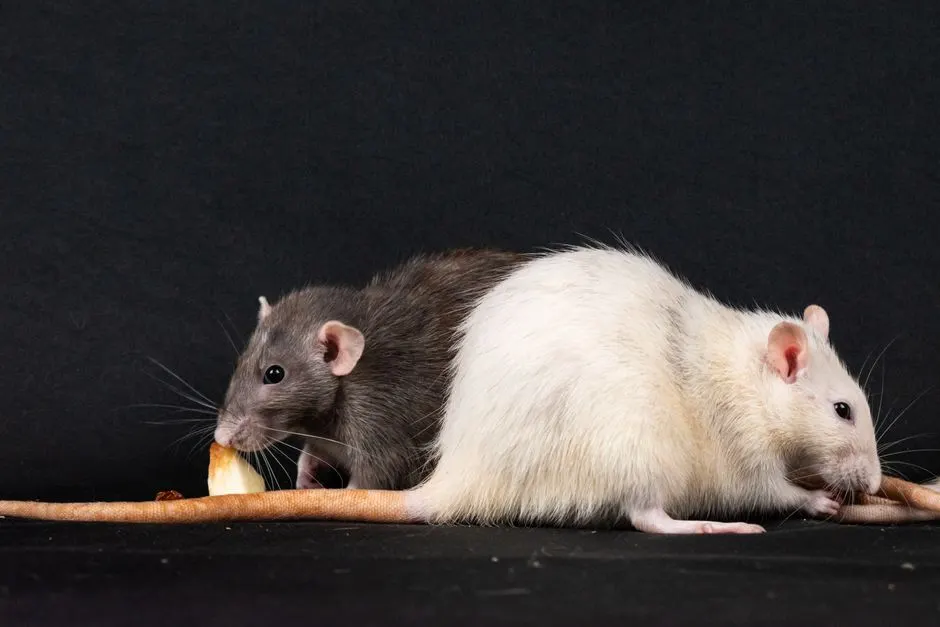
What rat control Pittsburgh PA really involves
Rat control Pittsburgh PA is a structured pest management process that finds the infestation, removes the rodents, seals the building and monitors for return activity. It is not a box of poison tossed in a basement. A proper job starts with a full inspection using UV flashlights, moisture meters and thermal imaging cameras to trace runways, grease marks and nesting sites. From there we set rodent traps and tamper-resistant bait stations, treat entry points, and close the gaps that let rats inside in the first place.
Pittsburgh rats stay busy year-round. Norway rats move through sewers, alleys and shared walls in dense neighborhoods like Lawrenceville and the South Side, while roof rats climb into attics through gaps around soffits and vents. Cold weather pushes them indoors; spring construction and road work stir up nests. If you have seen one rat, there are usually more behind the wall. That is why we treat every job as a full exclusion project, not a one-time spray.
Why Pittsburgh homeowners choose professional rat control
Rats chew wiring, contaminate food, and spread disease through droppings and urine. A licensed rat exterminator Pittsburgh PA team removes the problem at the source and keeps it from coming back. Here is what a proper treatment delivers.
Rodents gone fast
Most residential rat jobs show a sharp drop in activity within 7 to 10 days. We place traps and bait stations along the runways rats actually use, then check and reset them on a fixed schedule until the activity stops. No guesswork, no waiting weeks to see results.
Entry points sealed
Killing rats without sealing the building is a temporary fix. We close gaps as small as a quarter inch with exclusion mesh, steel wool and sealant, then verify the work with a follow-up inspection. That is what makes rat removal Pittsburgh Pennsylvania stick long term.
Health risk reduced
Rat droppings, urine and nesting material carry bacteria and can trigger asthma and allergy symptoms, especially in kids. We remove contaminated debris, treat affected surfaces, and leave the space clean enough to use again. Kitchens, basements and garages get the most attention.
Damage stopped early
Rats gnaw through electrical wiring, plumbing lines and insulation. A single infestation can rack up hundreds in repair costs. Catching it early with affordable rat control in Pittsburgh PA saves you the rewiring bill and the fire risk that comes with chewed conductors.
How our rat control process works
Every job follows the same five steps, whether it is a single-family home in Brookline or a restaurant in the Strip District. You get a written scope, a clear timeline, and a technician who explains what he is doing and why.
Inspection
A licensed technician walks the property inside and out, checking basements, crawlspaces, attics, kitchens, garages and the exterior perimeter. We use UV flashlights to spot urine trails, thermal imaging cameras to find hidden nests, and moisture meters to locate damp areas rats favor. The inspection takes 45 to 90 minutes depending on the size of the building.
Custom plan
You get a written treatment plan the same day. It lists the entry points we found, the trap and bait station placements, the exclusion work required, and the follow-up schedule. Pricing is upfront, so you know the total before we start. No surprise charges after the fact.
Treatment
We set rodent traps and tamper-resistant bait stations along the runways rats use, then apply rodenticide in secured locations where pets and kids cannot reach it. Interior and exterior placements are mapped so we can check them on every visit. Most initial treatments take two to four hours.
Exclusion
Once the activity drops, we seal the building. That means exclusion mesh over vents, steel wool and sealant around pipes, repaired door sweeps, and patched gaps in foundations and siding. This is the step that keeps rats from walking back in through the same hole next month.
Follow-up and monitoring
We return on a set schedule, usually at 7 and 14 days, to check traps, replace bait, and confirm the activity has stopped. If rats are still moving, we adjust the plan at no extra charge. After the job closes, we offer quarterly monitoring to catch any new activity early.
Eight years of Pittsburgh rat control experience
We have been treating rats in Pittsburgh since 2018, working out of Allegheny County and covering everything from century-old rowhouses in the Hill District to new builds in Point Breeze. Our technicians hold PA Department of Agriculture Pesticide Applicator Licenses and follow Integrated Pest Management (IPM) Certified practices on every job. That means we identify the species, remove the food and water sources, seal the building, and use rodenticide only where it is necessary and safe. We are also an NPMA Member company and carry full OSHA Compliance coverage on every site.
- Licensed by the PA Department of Agriculture as a Pesticide Applicator in the rodent category.
- EPA Certified in rodenticide application and tamper-resistant bait station placement.
- Trained on Bell Laboratories and Rockwell Labs rodent products and exclusion materials.
- Experienced with Norway rats in sewers and roof rats in Pittsburgh attic spaces.
- Familiar with Allegheny County health code requirements for food-service and multi-unit properties.
Why Pittsburgh homeowners call us for rat control
There are plenty of companies that will sell you a trap and a bag of bait. We do the full job: inspect, treat, seal, and follow up until the activity stops. Here is what sets our rat control Pittsburgh PA service apart.
Same-day service available
Call before noon and we can often have a technician at your door the same day. We keep rat exterminator Pittsburgh PA same-day slots open for active infestations, especially when kids or pets are in the home. Weekend appointments are available at no extra charge.
Upfront, honest pricing
You get a written price before we start. Most residential rat jobs run $250 to $650 depending on the size of the building and the number of entry points. Commercial and multi-unit properties are quoted after the inspection. No hidden fees, no bait-and-switch pricing.
Full exclusion, not just traps
We seal the building as part of every rat pest control Pittsburgh PA job. Exclusion mesh, steel wool, sealant, door sweeps and vent covers are included in the scope. That is the difference between a treatment that lasts a season and one that lasts years.
Local knowledge of Pittsburgh buildings
Pittsburgh's older housing stock has quirks: shared walls in rowhouses, stone foundations, and sewer lines that rats use as highways. We have worked these buildings since 2018 and know where to look first. That saves you time and money on the inspection.
What our rat control service includes
Every rat control Pittsburgh PA job covers the full scope: inspection, treatment, exclusion and follow-up. Here is what is included in a standard residential or commercial visit, and what we quote separately if the job requires it.
What's Included
Full property inspection
We check the interior and exterior of the building, including basements, crawlspaces, attics, kitchens, garages and the perimeter. UV flashlights, thermal imaging cameras and moisture meters are used to find hidden activity and nesting sites.
Trap and bait station placement
Rodent traps and tamper-resistant bait stations are placed along the runways rats use. Every station is mapped and numbered so we can check it on each follow-up visit. Bait is secured so pets and children cannot reach it.
Exclusion and sealing
We seal gaps larger than a quarter inch with exclusion mesh, steel wool and sealant. Door sweeps, vent covers and foundation patches are part of the standard scope. This is the step that keeps rats from coming back through the same hole.
Follow-up visits
We return at 7 and 14 days to check traps, replace bait and confirm the activity has stopped. If rats are still moving, we adjust the plan at no extra charge. Most jobs close out within three visits.
Sanitation and cleanup
Droppings, nesting material and contaminated debris are removed from affected areas. We treat the surfaces to reduce bacteria and odor. Kitchens, basements and garages get the most attention because those are the highest-risk spaces.
Rat problems we solve in Pittsburgh homes
Rats cause more than noise. They chew wiring, contaminate food, and leave droppings that carry disease. Here are the most common rat problems we handle for Pittsburgh homeowners and businesses, and how we solve them.
Scratching and scurrying sounds in walls at night
Usually means rats are living inside the wall void and using it as a highway between the basement and attic. Left alone, they chew wiring and insulation and the problem spreads to other rooms.
We trace the runways with thermal imaging cameras, set traps along the paths, and seal the entry points at both ends. Most customers hear the noise stop within 7 to 10 days. Follow-up visits confirm the wall void is clear.
Droppings in the kitchen, pantry or under the sink
Rat droppings carry bacteria and can trigger asthma and allergy symptoms. Finding them in food-prep areas is a health risk and a red flag for a larger infestation behind the cabinets.
We inspect the kitchen thoroughly, place traps and bait stations in secured locations, and remove contaminated debris. Surfaces are treated to reduce bacteria. We also seal the gaps behind appliances and under cabinets where rats get in.
Chewed wires, insulation or plumbing lines
Rat teeth grow continuously, so they gnaw on anything to wear them down. Chewed wiring is a fire risk, and damaged plumbing can leak inside walls for weeks before you notice.
We identify the damaged areas during inspection, treat the active infestation, and seal the entry points rats used to reach the wiring. We document the damage so you can bring in an electrician or plumber for repairs if needed.
Rats in a multi-unit building or rowhouse
Shared walls and common basements let rats move between units. Treating one apartment rarely solves the problem because the rats simply move next door and come back.
We treat the whole building, not just the unit with activity. That means common areas, basements, utility rooms and each affected unit. Exclusion work seals the shared gaps. This is the only way to solve a rowhouse rat problem for good.
When Pittsburgh customers call us for rats
A homeowner in Brookline sees a rat run across the basement floor while doing laundry.
We inspect the basement, foundation and exterior perimeter, set traps along the runways, and seal the gaps where the rat got in. Most basement jobs are resolved within two visits.
The basement is clear within 10 days, and the exclusion work keeps rats from returning through the same entry point.
A restaurant in the Strip District fails a health inspection because of rat droppings near the back door.
We treat the kitchen, storage areas and exterior, document every station placement, and provide the paperwork the health department requires for re-inspection. Quarterly service keeps the building compliant.
The restaurant passes re-inspection and stays on a quarterly monitoring plan that catches any new activity early.
A landlord in Lawrenceville gets complaints from tenants about scratching in the walls of a four-unit rowhouse.
We treat all four units plus the common basement and exterior, seal the shared-wall gaps, and set up monitoring stations. One scope covers the whole building.
Tenant complaints stop within a week, and the landlord avoids repeat service calls because the exclusion work closed the shared entry points.
A family in Squirrel Hill hears scratching in the attic and finds droppings in the garage.
We inspect the attic, roofline and garage, place traps and bait stations, and seal the soffit and vent gaps rats used to climb in. Follow-up visits confirm the attic is clear.
The attic and garage are rat-free within two weeks, and the sealed roofline prevents a repeat infestation the following winter.
Tools and methods we use for rat control
Tools & Equipment
Tamper-resistant bait stations
Secured stations that hold rodenticide where pets and children cannot reach it. We map and number every station so it can be checked on each follow-up visit.
Rodent traps
Snap traps and multiple-catch traps placed along rat runways. Traps confirm the species and give us a real-time count of activity between visits.
UV flashlights
Used to spot rat urine trails that glow under ultraviolet light. These trails show us exactly which paths rats are using inside the building.
Thermal imaging cameras
Detect heat signatures from rats hidden inside wall voids, ceilings and crawlspaces. This is how we find nests that are not visible to the naked eye.
Moisture meters
Locate damp areas in basements, crawlspaces and around plumbing that attract rats looking for water. Fixing the moisture source is part of the treatment.
Exclusion mesh and steel wool
Used to seal gaps around pipes, vents and foundations. Rats cannot chew through steel wool or heavy exclusion mesh, so these materials hold up long term.
Bell Laboratories and Rockwell Labs rodent products
Professional-grade rodenticides and bait formulations from brands our technicians are trained on. These products are EPA-approved for residential and commercial use.
Methods
Integrated Pest Management (IPM)
IPM is the framework we follow on every job. It starts with inspection and identification, moves to sanitation and exclusion, and uses rodenticide only where necessary. This approach reduces chemical use and delivers longer-lasting results than bait alone.
Exclusion-first sealing
We seal the building before the job closes, not after. Every gap larger than a quarter inch is treated with exclusion mesh, steel wool or sealant. This is the step that turns a temporary knockdown into a permanent fix.
Bait station mapping and monitoring
Every bait station and trap is numbered and mapped. On each follow-up visit, we record activity at each station so we can see exactly where the rats are still moving and adjust the plan accordingly.
Sanitation and source reduction
We remove droppings, nesting material and food sources that keep rats coming back. This includes recommendations on trash storage, pet food and compost. Removing the food source is as important as the trapping.
How rat control works in Pittsburgh specifically
Pittsburgh's rat problem is shaped by its buildings and its weather. The city has one of the oldest housing stocks in the country, with rowhouses, stone foundations and shared walls that give rats easy paths between properties. Norway rats move through the sewer system and alleyways in dense neighborhoods like the South Side and Lawrenceville, while roof rats climb into attics through gaps around soffits and vents in Squirrel Hill and Shadyside. Cold winters push rats indoors from November through March, and spring road work and construction stir up nests that were dormant all winter. We treat every job with that in mind, which is why our exclusion work focuses on the shared-wall gaps and foundation penetrations that are common in Allegheny County. If you are searching for rat pest control in Pittsburgh Pennsylvania 24/7, we keep emergency slots open for active infestations, especially in multi-unit buildings where the problem spreads fast.
Service Areas
Dense rowhouse blocks with shared walls and rear alleys. Rats move between properties through the same gaps, so we treat the whole block of units when needed.
Older homes with stone foundations and mature trees. Roof rats climb through the tree canopy and enter attics through soffit and vent gaps.
Restaurant-heavy commercial corridors with alleyway dumpsters. Food waste and grease attract rats from the surrounding blocks, so sanitation is a big part of the plan.
Commercial kitchens, warehouses and produce terminals. Rats here are food-driven, and health-code documentation is part of every commercial job we run.
Hillside homes with retaining walls and stepped yards. Rats burrow along the wall lines and use the steps as runways between properties.
Local Considerations
Cold winters push rats indoors from November through March
Activity spikes in basements, kitchens and wall voids during the cold months. We schedule more frequent follow-ups in winter because the rats are concentrated inside the building.
Aging sewer infrastructure in older Pittsburgh neighborhoods
Norway rats use the sewer system as a highway and enter buildings through gaps around sewer lines. We inspect those penetrations on every job and seal them with exclusion mesh.
Dense rowhouse construction with shared walls
Treating one unit rarely solves the problem because rats move next door. We scope the whole building when the layout calls for it, which is standard in Lawrenceville and the South Side.
Spring construction and road work
Ground disturbance pushes rats out of burrows and into nearby buildings. We see a spike in calls each spring and keep same-day slots open for those weeks.
Squirrel Hill attic cleared in two weeks
A family heard scratching above the bedroom ceiling every night for a month. Droppings were found in the garage and along the attic joists. The roofline had three open gaps around the soffit and vents.
We set traps and bait stations along the attic runways, sealed the three roofline gaps with exclusion mesh and steel wool, and removed the contaminated insulation. Activity stopped within 10 days and the follow-up confirmed the attic was clear.
Maintenance & Follow-up
Quarterly monitoring visits keep the attic clear. We check the roofline each visit and re-seal any new gaps before rats can use them.
A restaurant failed a health inspection after droppings were found near the back door and in the dry storage room. The building had gaps around the rear door frame and a floor drain that rats were using to enter.
We treated the kitchen, storage and exterior, sealed the door frame and drain gaps, and provided the station map and service records the health department required. The restaurant passed re-inspection two weeks later.
Maintenance & Follow-up
Quarterly commercial service keeps the building compliant. Every visit includes a station check, a sanitation review and updated documentation for the next inspection.
A landlord with four connected units had tenant complaints about scratching in the walls for months. Treating one unit at a time had not worked because rats were moving through the shared-wall gaps between units.
We treated all four units plus the common basement and exterior, sealed the shared-wall penetrations, and set up monitoring stations in each unit. Complaints stopped within a week and no new activity was recorded at the 30-day check.
Maintenance & Follow-up
Quarterly service covers all four units. The landlord now has one scope for the whole building instead of four separate service calls.
Frequently asked questions about rat control in Pittsburgh
Have questions? We have answers.
Call UsHow much does rat control cost in Pittsburgh Pennsylvania?
Most residential rat control jobs in Pittsburgh run $250 to $650 for the initial treatment and exclusion work. Larger homes, multi-unit buildings and commercial kitchens can run $800 to $2,500 depending on the number of entry points and the severity of the infestation. Follow-up visits are usually included in the initial price. You get a written quote before any work begins.
Who is the best rat exterminator in Pittsburgh PA?
The best rat exterminator Pittsburgh PA has to offer is one that inspects the building, treats the infestation, seals the entry points, and follows up until the activity stops. Look for a PA Department of Agriculture Pesticide Applicator License, EPA Certified technicians, and a written scope of work. We have provided that level of service since 2018 across Allegheny County.
How to get rid of rats in Pittsburgh Pennsylvania?
Getting rid of rats in Pittsburgh Pennsylvania means three things: remove the food and water sources, trap or bait the active population, and seal every entry point larger than a quarter inch. Store food in sealed containers, fix dripping pipes, and clear clutter where rats nest. Then call a licensed technician to handle the trapping and exclusion, because DIY bait rarely solves the whole problem.
What attracts rats in Pittsburgh Pennsylvania?
Rats in Pittsburgh are attracted to food waste, pet food left out overnight, bird seed, compost piles, and standing water. They also follow sewer lines and alleyways into buildings through gaps around pipes, vents and foundations. In dense neighborhoods like Lawrenceville and the South Side, shared walls make it easy for rats to move between properties. Removing the food source and sealing the building is the only permanent fix.
Licensed, certified and reviewed
Certifications
Reviews
Called about scratching in the walls and they came out the same day. The technician found the entry points, set traps, and sealed everything within a week. Follow-up visits were on time and the price matched the quote. Highly recommend for anyone in Pittsburgh dealing with rats.
We had rats in the basement of our rowhouse in Lawrenceville. They treated the whole building, not just our unit, and sealed the shared-wall gaps. The noise stopped within a week. Professional, on time, and they explained everything they were doing.
Our restaurant needed documentation for a health re-inspection. They treated the kitchen and storage areas, provided the station map, and we passed. Now on quarterly service and have not had a single issue since. Great communication throughout.
Found droppings in the garage and called for an inspection. They identified the entry points, treated the area, and sealed the gaps with mesh and steel wool. Two weeks later, no sign of rats. Fair pricing and no pressure to buy extra services.
Other pest services we offer in Pittsburgh
Ant Control
Ants and rats often share the same food sources in Pittsburgh kitchens. If you are already treating for rats, an ant control visit covers the trails and nests behind baseboards and under sinks. We treat both in one trip when the schedule allows.
Ant ControlBed Bug Treatment
Bed bugs and rats both hitchhike into Pittsburgh apartments through shared walls and used furniture. Our bed bug treatment uses heat and residual applications that pair well with a rat control plan in multi-unit buildings. One inspection can cover both problems.
Bed Bug TreatmentBee & Wasp Removal
Rats and wasps both nest in Pittsburgh attics, soffits and wall voids. When we seal entry points for rat control, we also check for active wasp nests so the exclusion work does not disturb them. Safe removal is part of the same visit.
Bee & Wasp RemovalBird Control
Pigeons and starlings roost on Pittsburgh rooflines and gutters, and their droppings attract rats looking for seed. Bird control pairs with rat exclusion work because both target the same entry points along the roof edge and vents.
Bird ControlCockroach Control
Cockroaches thrive in the same warm, damp basements and kitchens that rats use. A cockroach treatment alongside rat control Pittsburgh PA service clears both problems from the same areas, cutting down on repeat visits and allergen exposure.
Cockroach ControlCommercial Pest Control
Pittsburgh restaurants, warehouses and grocery stores need documented pest control for health inspections. Our commercial program covers rats, roaches and other pests with scheduled service, bait station maps and compliance-ready reporting for Allegheny County health inspectors.
Commercial Pest ControlCricket Control
Crickets gather in Pittsburgh basements and garages, and their presence often signals moisture problems that also attract rats. Treating crickets alongside rat control Pittsburgh PA service addresses the underlying damp conditions in one plan.
Cricket ControlEarwig Control
Earwigs live in mulch beds, leaf litter and damp crawlspaces around Pittsburgh homes. Those same conditions draw rats. A combined earwig and rat treatment reduces the harborage areas around the foundation and keeps both pests out.
Earwig ControlFlea & Tick Treatment
Rats carry fleas, and fleas move to pets and people once the rats are gone. If you have pets in the home, a flea and tick treatment after rat removal Pittsburgh Pennsylvania service prevents a secondary infestation from taking hold.
Flea & Tick TreatmentFly Control
Flies breed in the same garbage and organic waste that feeds rats in Pittsburgh alleys and dumpster areas. Fly control and rat control together clean up the food sources that keep both pests coming back to your property.
Fly ControlGopher Control
Gophers tunnel through Pittsburgh yards and gardens, and their burrows can connect to rat runways along foundations. Treating both keeps the exterior perimeter clear and stops rats from using gopher tunnels as entry paths.
Gopher ControlHornet Removal
Hornets build nests in Pittsburgh eaves, sheds and attic vents, the same spots rats use to get inside. When we do exclusion work for rat control, we check those areas for hornet activity and remove any nests safely before sealing.
Hornet RemovalMosquito Control
Standing water in Pittsburgh yards breeds mosquitoes and attracts rats looking for a drink. Mosquito control reduces the water sources, and rat control removes the rodents. Together they cut down on two of the most common summer complaints in Allegheny County.
Mosquito ControlMoth Control
Moths damage stored fabrics and pantry goods in Pittsburgh homes, and rats contaminate the same spaces. A moth treatment alongside rat control Pittsburgh PA service protects your stored items and clears the pantry area in one visit.
Moth ControlMouse Control
Mice and rats often infest the same Pittsburgh buildings. Mice squeeze through gaps as small as a dime, so the exclusion work we do for rats also blocks mice. Treating both at once is more efficient than two separate service calls.
Mouse ControlPest Inspections
A full pest inspection is the first step of any rat control Pittsburgh PA job. We check the building inside and out for entry points, harborage and activity signs. If you are buying a Pittsburgh home, this inspection catches rodent problems before closing.
Pest InspectionsPest Proofing & Exclusion
Exclusion is the permanent half of rat control. We seal gaps around pipes, vents, foundations and rooflines with exclusion mesh, steel wool and sealant. This service stands alone for homeowners who want to prevent rats before they get inside.
Pest Proofing & ExclusionRodent Control
Rodent control covers both rats and mice, and it is the broader service that includes our rat work. If you are not sure which rodent you have, this is the right starting point. We identify the species and build the treatment plan around it.
Rodent ControlSilverfish Control
Silverfish thrive in the damp basements and crawlspaces that rats also use in Pittsburgh homes. Treating silverfish alongside rat control Pittsburgh PA service addresses the moisture issue and clears both pests from the same areas.
Silverfish ControlSpider Control
Spiders follow the insect activity that rats leave behind in Pittsburgh garages and basements. A spider treatment after rat removal Pittsburgh Pennsylvania service clears the webs and egg sacs and keeps the space usable again.
Spider ControlStink Bug Control
Stink bugs invade Pittsburgh homes in fall through the same cracks and gaps rats use in winter. Sealing those entry points for rat control also blocks stink bugs. One exclusion job solves two seasonal problems.
Stink Bug ControlTermite Inspections
Termites and rats both damage Pittsburgh homes, and both are easy to miss until the damage is serious. A termite inspection alongside rat control Pittsburgh PA service gives you a full picture of what is happening in the structure.
Termite InspectionsTermite Treatment
Termite damage weakens wood framing, and rats exploit the softened wood to widen entry points. Treating termites and rats together protects the structure. We coordinate the schedules so the two treatments do not interfere.
Termite TreatmentTick Control
Rats carry ticks into Pittsburgh yards and homes. Tick control reduces the population around the perimeter, and rat control removes the host. If you have pets or kids who play outside, treating both is the safer approach.
Tick ControlWildlife Removal
Squirrels, raccoons and opossums use the same entry points as rats in Pittsburgh attics and crawlspaces. Wildlife removal clears the larger animals, and our exclusion work seals the openings so rats and wildlife stay out.
Wildlife RemovalWood Destroying Insect Treatment
Wood-destroying insects weaken the framing that rats chew through in Pittsburgh homes. Treating the insects and sealing the rat entry points in one plan protects the structure from both problems at the same time.
Wood Destroying Insect TreatmentYellow Jacket Removal
Yellow jackets nest in Pittsburgh wall voids, eaves and ground burrows, often near rat entry points. When we seal a building for rat control, we check those spots for yellow jacket activity and remove any nests before closing them up.
Yellow Jacket RemovalWhat Pittsburgh customers say
Real experiences from customers who chose our Rat Control services
"We heard scratching in the kitchen wall for two weeks before we called. The technician found three entry points around the back porch and set traps the same day. By the second follow-up, the noise had stopped. He sealed everything with steel wool and mesh, and we have not seen a rat since. Worth every dollar."
Maria T.
Homeowner, Squirrel Hill
"Our kitchen failed a health inspection because of rat droppings near the back door. This team came out the next morning, treated the whole building, and gave us the documentation we needed for the re-inspection. They now come quarterly and we have passed every inspection since. Professional and fast."
Darnell R.
Restaurant Owner, Strip District
"I manage four rowhouses and rats were moving between them through the shared walls. They treated all four units, sealed the gaps, and set up monitoring. The tenant complaints stopped within a week. I have used them for two other properties since and the results have been the same every time."
Karen M.
Landlord, Lawrenceville
Get rat control Pittsburgh PA started today
Rats do not wait, and neither should you. Call us now and we will schedule an inspection, give you an upfront price, and start the treatment that ends the infestation. Same-day and 24/7 emergency slots are available for active problems in Allegheny County.