Mouse control Pittsburgh PA that ends the scratching for good
Traps, exclusion, and follow-up visits built for old Pittsburgh homes
Mouse control Pittsburgh PA means finding where mice are getting in, removing the ones already inside, and sealing the gaps so a new family does not move in behind them. We handle rowhouses, century-old Victorians, and apartment buildings across Allegheny County. If you are hearing scratching in the walls at 2 a.m., our mouse exterminator Pittsburgh PA crews can usually be on site within 24 to 48 hours.
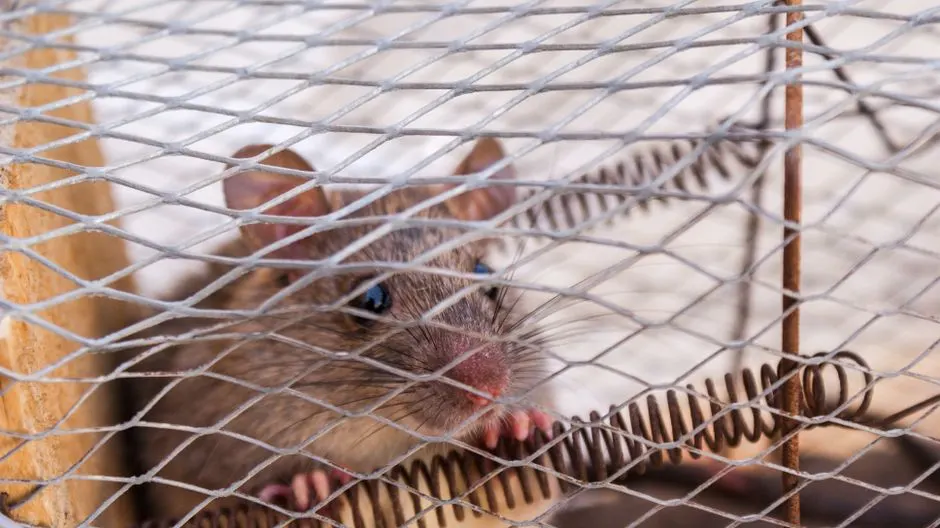
What mouse control Pittsburgh PA actually involves
Mouse control Pittsburgh PA is a structured pest service that locates rodent activity, removes the mice, and closes the entry points they used to get in. A house mouse needs a gap the width of a pencil, roughly a quarter inch, and it can squeeze through a hole smaller than a dime. Our technicians inspect the foundation, sill plate, rim joist, attic vents, and utility penetrations, then set rodent traps and bait stations along the runs mice actually travel. We finish with exclusion work, sealing gaps with copper mesh, hardware cloth, and sealant so the problem does not restart next month.
Pittsburgh's housing stock makes this harder than it sounds. Most of the city's rowhouses and foursquares were built before 1950, and the stone foundations, balloon framing, and unsealed basement chases give mice a highway from the alley to your kitchen. Cold snaps in November push them indoors, and the same thing happens again in February and March. If you have been searching how to get rid of mice in Pittsburgh Pennsylvania and getting nowhere with store-bought traps, the issue is almost always the entry points, not the trap.
Why Pittsburgh homeowners book mouse removal
Mice are not just a nuisance. They contaminate food, chew wiring, and leave droppings that trigger asthma in kids. Here is what a proper treatment actually gets you.
Fewer mice within days
Most homes see a sharp drop in activity within 3 to 7 days of the first visit. We place traps and bait stations along the wall lines and behind appliances where mice run, not in the middle of the floor. Follow-up checks at day 7 and day 14 catch the ones that were still in the nest.
Entry points sealed shut
Trapping alone is a treadmill. Our mouse removal Pittsburgh Pennsylvania crews seal foundation gaps, dryer vents, gas line penetrations, and garage corners with copper mesh and exclusion mesh rated to stop gnawing. That is the difference between a one-time fix and a monthly call.
Safer kitchen and pantry
Mice leave 40 to 70 droppings a day and urinate constantly along their runs. We clear nesting material, treat contaminated surfaces, and give you a written list of what to toss. We use rodenticide in tamper-resistant bait stations, never loose pellets where kids or pets can reach them.
Wiring damage caught early
Rodent droppings and chewed insulation are two of the top reasons older Pittsburgh homes fail a home inspection. Our technicians use UV flashlights and thermal imaging cameras to trace runs inside walls before the chewing turns into a $2,000 electrician bill.
How our mouse treatment process works
Every job follows the same five steps, whether it is a single-family house in Brookline or a six-unit building in Shadyside. You get a written report after each visit.
Phone triage
You describe what you are hearing and seeing: scratching at night, droppings under the sink, gnaw marks on cereal boxes. We ask about pets and kids, then book a two-hour inspection window. Most Pittsburgh calls get a same-week slot, and urgent ones get same-day service.
Full inspection
A licensed technician walks the exterior perimeter, basement, attic, and kitchen. We check the sill plate, rim joist, utility chases, and garage door corners, then map every entry point and run on a floor plan. Expect 45 to 90 minutes depending on the size of the home.
Trapping and baiting
We set snap traps and tamper-resistant bait stations along the runs we found. Stations are locked and anchored so pets and kids cannot get into them. Bait uses rodenticide formulated for house mice, placed where mice feed but where you will not smell a dead rodent in the wall.
Exclusion work
This is the step that makes the fix stick. We seal gaps with copper mesh, hardware cloth, and exterior-grade sealant. Dryer vents get covers, gas and water line penetrations get packed, and crawlspace doors get weatherstripping. Most homes take 2 to 4 hours of exclusion work.
Follow-up and monitoring
We return at day 7 and day 14 to check traps, replace bait, and confirm activity has stopped. If mice are still moving, we re-inspect for entry points we missed. You get a written summary and a recommendation on whether quarterly monitoring makes sense.
Eight years of mouse work in Allegheny County
We have been treating Pittsburgh homes since 2018, and mice are one of the two or three jobs we run every single week. Our technicians hold a PA Department of Agriculture Pesticide Applicator License and follow Integrated Pest Management (IPM) Certified practices, which means we identify the species, fix the conditions, and use the least-toxic effective method first. We are an NPMA Member and carry EPA Certified credentials for the rodenticides we apply. Every tech who enters your home has been trained on exclusion work, not just spraying.
- PA Department of Agriculture Pesticide Applicator License held by every technician on staff
- Integrated Pest Management (IPM) Certified approach that starts with exclusion, not chemicals
- EPA Certified applicators for all rodenticide and bait station placements
- NPMA Member with ongoing training on house mouse and deer mouse behavior
- 8 years serving Allegheny County homes, from rowhouses to multi-unit buildings
Why Pittsburgh calls us for mouse control Pittsburgh PA
We are not the biggest pest company in the region, and we do not try to be. We are a Pittsburgh crew that does mouse work every week and seals the building when we are done.
Same-week scheduling
Most mouse exterminator Pittsburgh PA calls get a slot within 3 to 5 days, and urgent ones get same-day service. We text you a two-hour arrival window the morning of the visit, so you are not sitting around all day waiting.
Exclusion is included
Many companies trap and leave. We seal the gaps as part of the job, using copper mesh, hardware cloth, and exterior sealant. That is why our customers see fewer repeat visits than the industry average.
Upfront pricing
You get a flat price before we start. A typical single-family mouse job runs $275 to $650 depending on square footage and how many entry points we find. No surprise add-ons for the exclusion work.
Local to Allegheny County
We know the difference between a Squirrel Hill stone foundation and a Penn Hills slab. That matters when we are figuring out where the mice are getting in. If you are searching for affordable mouse control in Pittsburgh PA, we will tell you straight what the job needs.
What is included in mouse control Pittsburgh PA
Every mouse job includes the inspection, the trapping, the bait stations, and the exclusion work. We do not split those into separate line items, because a trap without exclusion is a temporary fix. Here is what you actually get on the invoice.
What's Included
Full interior and exterior inspection
A licensed technician inspects the basement, attic, kitchen, garage, and exterior perimeter. We map every entry point and run on a floor plan so you can see exactly where the mice are moving.
Traps and bait stations
We place snap traps along the runs and tamper-resistant bait stations in areas pets and kids cannot reach. Stations are locked and anchored, and we use rodenticide formulated for house mice.
Exclusion and sealing work
Copper mesh, hardware cloth, and exterior-grade sealant go into every gap we find. Dryer vents, gas line penetrations, sill plates, and crawlspace doors all get addressed before we leave.
Two follow-up visits
We return at day 7 and day 14 to check traps, replace bait, and confirm activity has stopped. If mice are still moving, we re-inspect for entry points we missed at no extra charge.
Written report and recommendations
You get a written summary after each visit with what we found, what we did, and what to watch for. We also flag conditions like moisture or clutter that will attract mice again if left alone.
Mouse problems we solve in Pittsburgh homes
Most Pittsburgh mouse calls fall into a handful of patterns. Here are the ones we see most often and what it takes to close them out.
Scratching in walls and ceilings at night
Usually means mice are living in the wall void or attic, and the noise gets worse as the colony grows. Left alone, they chew wiring and insulation.
We inspect the attic and wall chases with thermal imaging cameras, set traps along the runs, and seal the entry points on the exterior. Most customers hear the scratching stop within 3 to 5 days.
Droppings in the kitchen and pantry
Mice leave 40 to 70 droppings a day and contaminate food and surfaces. Hantavirus and salmonella risk is real, especially with young kids in the house.
We clear the nesting material, treat contaminated surfaces, and give you a written list of what to throw out. Traps and bait stations go in behind the appliances where the runs actually are.
Mice in a multi-unit Pittsburgh rowhouse
Mice travel through shared wall voids, so treating one unit just pushes them next door. The problem bounces back within weeks.
We treat the whole building envelope, seal the shared wall gaps, and coordinate with the landlord or property manager. A quarterly monitoring schedule keeps the building clear long term.
Mice in the garage and basement
Garages and basements are the first stop before mice move into the living space. Bird seed, pet food, and cardboard boxes make it worse.
We seal the garage door corners, sill plates, and utility penetrations, then set stations along the wall lines. We also give you a short list of storage changes that cut the risk dramatically.
When to book a mouse treatment
You just heard scratching for the first time and it is November or February.
Cold snaps push mice indoors fast in Pittsburgh. We book a same-week inspection, find the entry point, and seal it before the colony settles in for the winter.
Most customers catch the problem at one or two mice instead of a full-blown infestation, which keeps the cost at the low end of the range.
You are buying or selling an older Pittsburgh home and the inspection flagged rodent activity.
We run a full inspection, document what we find, and complete the exclusion work so the report is clean for closing. We can coordinate with your realtor on timing.
You get a written report the buyer or seller will accept, and the exclusion work is done before the deal closes.
You run a restaurant or retail space in the Strip District or Downtown and the health inspector flagged rodent sign.
We build a documented monitoring program with bait station maps, service logs, and monthly visits. Everything is formatted for health department review.
You pass the follow-up inspection and have an ongoing program that keeps the issue from coming back.
You have tried store-bought traps for a month and the mice keep coming back.
The traps are not the problem, the entry points are. We inspect the exterior, find every gap, and seal them with copper mesh and hardware cloth.
The cycle stops. Most customers who had been fighting mice for months see activity end within two weeks of the exclusion work.
Tools and methods we use for mouse work
Tools & Equipment
Tamper-resistant bait stations
Locked, anchored stations hold rodenticide where mice feed but pets and kids cannot reach. We use Bell Laboratories and Rockwell Labs stations on every job.
Snap traps and glue boards
Placed along wall lines and behind appliances where mice run. Glue boards go in areas where a snap trap would be unsafe, like behind the fridge.
UV flashlights
Mouse urine fluoresces under UV light, so we can trace runs and find nesting areas that are not visible in normal light. Especially useful in Pittsburgh basements.
Thermal imaging cameras
We use thermal cameras to find warm spots in walls and ceilings that indicate active nesting. This is how we locate mice in wall voids without cutting drywall.
Copper mesh and exclusion mesh
Mice cannot chew through copper mesh, so it is the standard for sealing foundation gaps, dryer vents, and utility penetrations. We pair it with exterior-grade sealant.
Moisture meters
Damp basements and crawlspaces attract mice. We measure moisture at the foundation and flag areas that need a dehumidifier or drainage fix.
Insecticide sprayers
Used for perimeter treatments when mice are bringing fleas or ticks inside. We apply bifenthrin and diatomaceous earth where labeled and safe.
Methods
Integrated Pest Management (IPM)
IPM means we identify the species, fix the conditions that attract it, and use the least-toxic effective method first. For mice, that means exclusion before rodenticide, and monitoring before repeat chemical applications.
Exclusion-first rodent control
We seal the building before we finish the job. Copper mesh, hardware cloth, and sealant go into every gap we find. This is the single biggest difference between a fix that holds and one that fails in 60 days.
Bait station mapping
Every station gets numbered and mapped on a floor plan. On follow-up visits we check each one and log activity. This is required for commercial accounts and useful for homeowners who want documentation.
Two-visit follow-up protocol
We return at day 7 and day 14 to confirm activity has stopped. If mice are still moving, we re-inspect for missed entry points and adjust the trap and bait placement at no extra charge.
How mouse control Pittsburgh PA runs in our neighborhoods
Pittsburgh is a hard city for mouse work because of the housing stock. Most of the rowhouses in Lawrenceville, Bloomfield, and the South Side Slopes were built between 1880 and 1930, with stone foundations, balloon framing, and shared wall voids that let mice travel from block to block. The city's hillside topography also matters: homes on slopes like Mount Washington and Fineview have retaining walls and drainage gaps that open up as the ground shifts. Winter is the busy season. Once overnight temperatures drop into the 30s, usually by mid-November, mice move indoors and stay until spring. We see a second wave in February and March when the cold snaps return. If you are looking for mouse pest control in Pittsburgh Pennsylvania 24/7, we run emergency slots during those cold weeks because that is when the calls spike. Our technicians carry copper mesh, hardware cloth, and bait stations on every truck so we can complete most jobs in a single visit plus follow-ups.
Service Areas
Dense rowhouse blocks with shared wall voids. Mice move between units, so we treat the whole building envelope, not just the unit with activity.
Older stone foundations and mature landscaping. We see a lot of entry points at the sill plate and around the gas line penetrations.
Hillside homes with retaining walls and slope drainage. Gaps open up as the ground shifts, and mice use them to get into basements.
Mixed commercial and residential. Restaurants and warehouses need documented monitoring for health inspections, which we build into the program.
Post-war ranches and splits with slab foundations. Mice get in through garage door corners and utility penetrations more than foundation gaps.
Local Considerations
Cold snaps from November through March
Mice move indoors in waves. We run extra emergency slots during cold weeks because that is when Pittsburgh call volume spikes.
Pre-1950 stone and brick foundations
Mortar joints and sill plates develop gaps over decades. We use copper mesh and exterior sealant rated for masonry to close them properly.
Hillside drainage and retaining walls
Water movement opens gaps in foundations on sloped lots. We inspect retaining wall interfaces and seal them as part of the exclusion work.
Shared wall voids in rowhouses
Treating one unit pushes mice next door. We coordinate with neighbors or the landlord to seal the whole building envelope.
Squirrel Hill rowhouse, three-week fix
Homeowner heard scratching above the bedroom for three weeks and found droppings in the pantry. Store-bought traps caught two mice but activity continued. Inspection found four entry points along the stone foundation and one behind the dryer vent.
Traps and bait stations went down on day one. Exclusion work sealed all five entry points on the second visit. By day 14, no activity on any station. Homeowner reported zero scratching for the following six months.
Maintenance & Follow-up
Quarterly monitoring for the first year, then annual inspection. Keep bird seed and pet food in sealed containers and clear cardboard from the basement wall.
Landlord had mice bouncing between four rowhouse units for months. Each tenant was treating their own unit separately, and the problem kept returning. Shared wall voids were completely open between units.
We treated the whole building envelope, sealed the shared wall gaps with copper mesh, and set stations in all four units plus the basement. Tenant complaints dropped to zero within three weeks and stayed there.
Maintenance & Follow-up
Quarterly service on all four units plus the common basement. Landlord keeps a shared log so we can track activity across the building.
Family found droppings in the pantry on a Sunday and called Monday. Inspection found a nest under the dishwasher and a gap where the gas line entered the foundation. Two mice were caught on day one.
Nest removed, contaminated food discarded, surfaces treated. Gas line gap sealed with copper mesh and sealant. Follow-up visits at day 7 and day 14 showed no activity. No droppings found after week two.
Maintenance & Follow-up
Annual inspection each fall before the cold snap. Store dry goods in glass or hard plastic and check the gas line seal once a year.
How much does mouse control cost in Pittsburgh Pennsylvania?
Most Pittsburgh mouse jobs run $275 to $650 for a single-family home, and the price includes inspection, trapping, bait stations, and exclusion work. Larger homes, multi-unit buildings, and heavy infestations can push the number to $900 or more. You get a flat quote before we start, so there is no surprise bill at the end.
Who is the best mouse exterminator in Pittsburgh PA?
The best mouse exterminator Pittsburgh PA homeowners can hire is one that seals the building, not just traps. Ask whether exclusion work is included, whether the technician holds a PA Department of Agriculture Pesticide Applicator License, and whether they return for follow-up visits. We do all three on every job, and we have been doing it since 2018.
How to get rid of mice in Pittsburgh Pennsylvania?
Getting rid of mice in Pittsburgh Pennsylvania takes three things: remove the mice already inside, seal every entry point, and remove the food and water sources that keep them coming back. Store-bought traps handle step one at best. The exclusion work is what stops the next wave, and that is where a professional mouse pest control Pittsburgh PA service earns its keep.
What attracts mice in Pittsburgh Pennsylvania?
Mice come inside for warmth, food, and shelter. In Pittsburgh, the biggest draws are unsealed foundation gaps, pet food left out overnight, bird seed in the garage, and cardboard boxes stored against the basement wall. Cold snaps in November and February push them in faster. Fixing those four things cuts your risk dramatically.
Licensed, certified, and local
Certifications
Reviews
Called about scratching in the wall and they were out in three days. Technician found the entry point behind the dryer vent, sealed it, and set traps. Follow-up visits confirmed the mice were gone. Straightforward pricing and no upsell.
We had mice in our Lawrenceville rowhouse for months. They treated the whole building envelope, not just our unit, and sealed the shared wall gaps. Neighbors noticed the difference too. Highly recommend for old Pittsburgh homes.
Professional from the first phone call. They explained what they would do, quoted a flat price, and stuck to it. The exclusion work was thorough and they walked me through everything they sealed. No mice since.
Booked a same-week appointment after finding droppings in the pantry. Technician was on time, wore boot covers, and cleaned up after himself. Found the nest under the dishwasher and sealed the gas line gap. Worth every penny.
Related Services
Ant Control
Ants and mice often show up together in Pittsburgh kitchens because both follow the same moisture and food trails. If you are already booking mouse control Pittsburgh PA, we can treat the ant trails on the same visit and save you a second trip.
Ant ControlBed Bug Treatment
Bed bugs and mice both hide in the same kinds of clutter, and a mouse inspection sometimes turns up bed bug signs in the same room. Our technicians are trained to spot both, so you get a fuller picture of what is living in your Pittsburgh home.
Bed Bug TreatmentBee & Wasp Removal
Mice chew into wall voids that wasps and yellow jackets also use for nesting. When we seal mouse entry points on a Pittsburgh home, we check for active wasp nests in the same voids so you are not trading one pest problem for another.
Bee & Wasp RemovalBird Control
Pigeons and sparrows nesting on Pittsburgh rooflines drop debris that clogs gutters, and clogged gutters push mice toward foundation gaps. Bird control and mouse control Pittsburgh PA often go hand in hand on older Allegheny County buildings.
Bird ControlCockroach Control
Cockroaches and mice share the same warm, damp hiding spots behind Pittsburgh kitchen cabinets. If we find roach activity during a mouse job, we can treat it on the spot with gel bait and insect growth regulators before it spreads.
Cockroach ControlCommercial Pest Control
Restaurants and retail spaces in the Strip District and Downtown Pittsburgh need documented rodent monitoring for health inspections. We build a scheduled mouse control Pittsburgh PA program with bait station maps and service logs your inspector will accept.
Commercial Pest ControlCricket Control
Crickets pile up in Pittsburgh basements and garages in late summer, and mice use the same cracks to get in. Sealing those gaps for mouse control Pittsburgh PA knocks down the cricket problem at the same time, without a separate treatment.
Cricket ControlEarwig Control
Earwigs thrive in the damp mulch and leaf litter around Pittsburgh foundations, and that same moisture attracts mice. Our exclusion work closes the gaps both pests use, so you get fewer earwigs inside after a mouse treatment.
Earwig ControlFlea & Tick Treatment
Mice carry fleas and ticks into Pittsburgh homes, especially in the fall. When we remove mice, we check for flea activity in the nesting areas and can treat the space so the fleas do not jump to your pets.
Flea & Tick TreatmentFly Control
A dead mouse in a wall void draws flies within days. Our technicians place bait stations so mice die in accessible areas, and we can treat fly activity if a rodent dies somewhere hard to reach in your Pittsburgh home.
Fly ControlGopher Control
Gophers tunnel through Pittsburgh yards and can undermine the same foundation drainage that mice use to get in. If you have both, we can treat the yard and the house on the same schedule so you are not paying for two separate service calls.
Gopher ControlHornet Removal
Hornets nest in the same attic and soffit voids mice use to enter Pittsburgh homes. When we seal mouse entry points, we check for active hornet nests and can remove them safely before we close the gap.
Hornet RemovalMosquito Control
Standing water in Pittsburgh gutters and yard drains breeds mosquitoes and also signals moisture problems that attract mice. Treating both on one schedule keeps your yard usable and your foundation dry.
Mosquito ControlMoth Control
Pantry moths and mice both raid Pittsburgh kitchens, and both leave behind contaminated food. After a mouse control Pittsburgh PA visit, we can treat moth activity in the same cabinets so you are not throwing out food twice.
Moth ControlPest Inspections
A full pest inspection covers mice, rats, termites, and other wood-destroying insects in one visit. Pittsburgh home buyers and sellers often book this alongside mouse control Pittsburgh PA to get a complete picture before closing.
Pest InspectionsPest Proofing & Exclusion
Exclusion is the core of our mouse work, but we also offer it as a standalone service. If you want gaps sealed before mice ever get in, we can do a full perimeter exclusion on your Pittsburgh home without a trapping component.
Pest Proofing & ExclusionRat Control
Norway rats are bigger and bolder than mice, and Pittsburgh alleys and sewers keep them moving. If your inspection turns up rat sign instead of mouse sign, we switch to rat-sized bait stations and heavier exclusion materials on the same visit.
Rat ControlRodent Control
Rodent control Pittsburgh Pennsylvania covers mice, rats, and the damage they leave behind. If you are not sure which rodent you have, we identify the species first, then build the treatment around what is actually in your walls.
Rodent ControlSilverfish Control
Silverfish thrive in the same damp Pittsburgh basements mice use. Fixing the moisture and sealing the entry points for mouse control Pittsburgh PA usually knocks down silverfish activity too, without extra chemicals.
Silverfish ControlSpider Control
Spiders follow the insects that mice leave behind, so a Pittsburgh home with a mouse problem often has a spider problem too. We can treat both on the same visit and knock down the food chain from the bottom up.
Spider ControlStink Bug Control
Stink bugs invade Pittsburgh homes through the same fall entry points mice use. Sealing those gaps for mouse control Pittsburgh PA keeps stink bugs out of your living room in October and November as a side benefit.
Stink Bug ControlTermite Inspections
Termites and mice both damage Pittsburgh homes, and mouse-chewed wood can hide termite activity. If you are booking mouse control Pittsburgh PA on an older house, a termite inspection is worth adding to the same visit.
Termite InspectionsTermite Treatment
Active termites and mice in the same Pittsburgh home mean two separate treatments, but we can schedule them back to back. We use termite bait and liquid barriers that do not interfere with the rodent work.
Termite TreatmentTick Control
Mice are a primary host for the ticks that carry Lyme disease in western Pennsylvania. Removing mice from your Pittsburgh property reduces tick pressure around the house, and we can treat the yard edges on the same schedule.
Tick ControlWildlife Removal
Squirrels, raccoons, and opossums use the same roofline gaps mice do, and they can tear open exclusion work if they get there first. We handle wildlife removal before sealing so the mouse work actually holds.
Wildlife RemovalWood Destroying Insect Treatment
Carpenter ants and termites exploit moisture damage that mice help create in Pittsburgh crawlspaces. If our inspection finds wood-destroying insects alongside the mouse problem, we can quote both treatments together.
Wood Destroying Insect TreatmentYellow Jacket Removal
Yellow jackets nest in the ground and in wall voids, and mice use the same voids to enter Pittsburgh homes. We remove the nest first, then seal the gap so neither pest gets back in.
Yellow Jacket RemovalWhat Pittsburgh customers say
Real experiences from customers who chose our Mouse Control services
"We heard scratching in the wall above our bedroom for two weeks before I called. The technician found three entry points along the stone foundation and one behind the dryer vent. Traps went down the same day, exclusion work was done on the second visit, and we have not heard a thing since. Worth every dollar."
Danielle R.
Homeowner, Squirrel Hill
"I manage four rowhouses and mice are a constant battle in these old buildings. They sealed the shared wall gaps between units, which nobody had ever done before, and the tenant complaints dropped to zero. I now have them on a quarterly schedule for all four properties."
Marcus T.
Landlord, Lawrenceville
"Found droppings in the pantry on a Sunday and called Monday morning. They were out Wednesday, cleared the nest under the dishwasher, and sealed the gap where the gas line comes in. The technician walked me through everything and did not try to upsell me on services I did not need."
Karen L.
Homeowner, Mt. Lebanon
Get mouse control Pittsburgh PA on the schedule this week
We have been treating Allegheny County homes since 2018, and we seal the building before we leave. Call now and we will book a two-hour inspection window, usually within 3 to 5 days. Urgent calls get same-day slots.