Cricket Control Pittsburgh PA That Stops the Chirping for Good
Licensed cricket exterminators serving every Pittsburgh neighborhood
When crickets get inside a Pittsburgh home, they chew fabric, stain walls and chirp all night. Our cricket control Pittsburgh PA service targets the species that actually invade Allegheny County basements and row houses, then seals the entry points they used. Whether you need a cricket exterminator Pittsburgh PA same day or a seasonal perimeter plan, we handle inspection, treatment and follow-up in one visit.
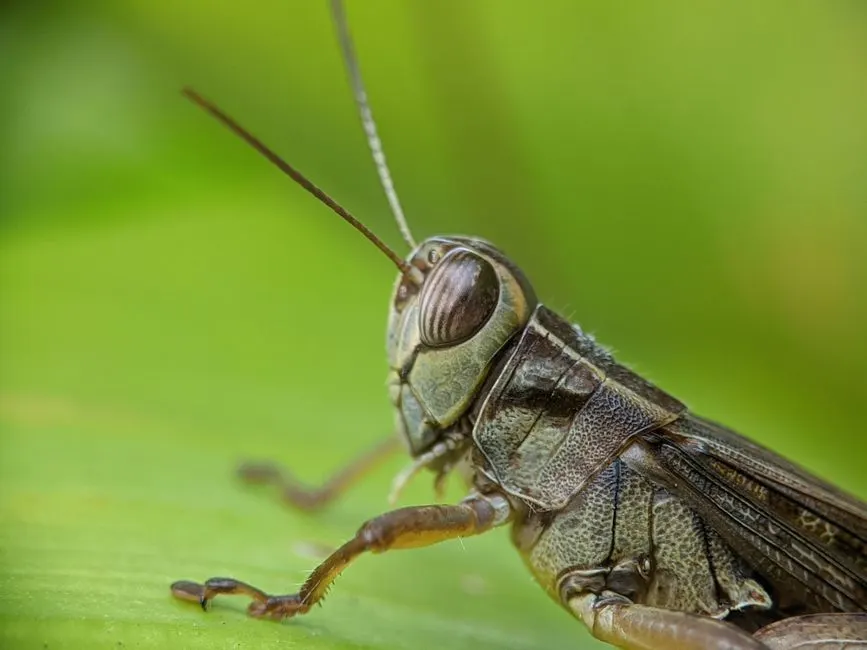
What Cricket Control Pittsburgh PA Actually Involves
Cricket control Pittsburgh PA is a targeted pest management service that identifies which cricket species is invading your property, treats the harborage areas where they breed, and blocks the entry points they use to get inside. In southwestern Pennsylvania the two main offenders are house crickets and field crickets, plus the occasional camel cricket in damp basements. We inspect foundation walls, crawl spaces, garage corners and basement window wells, then apply residual insecticide and diatomaceous earth along the same runs the crickets travel.
Pittsburgh's older housing stock drives most of the calls we get. Stone foundations in Lawrenceville, unfinished basements in Brookline and damp crawl spaces in Squirrel Hill give crickets exactly what they want: cool, dark, humid shelter within a few feet of soil. Field crickets move indoors in force from late August through the first hard freeze, and a warm autumn keeps them active into November. If you are searching for cricket control in Pittsburgh Pennsylvania near me, the fix is the same whether you own a 1920s four-square or a newer build in Mt. Lebanon.
Why Pittsburgh Homeowners Book Cricket Treatment
Crickets are not just noisy. They damage fabric, paper and stored goods, and their nighttime chirping disrupts sleep in bedrooms that share a wall with a basement. Here is what our cricket pest control Pittsburgh PA service changes.
Quiet Nights Again
A single male house cricket can chirp 60 to 100 times per minute, all night, from inside a wall void. We treat the harborage itself, not just the visible insects, so the sound stops at the source. Most customers notice a clear difference within 48 hours of the first visit.
Less Fabric Damage
Crickets chew through cotton, linen, wool and paper. We have pulled cricket-damaged curtains, stored quilts and cardboard boxes out of basements in Shadyside and Highland Park. Sealing entry points and reducing indoor moisture cuts the damage cycle before it reaches your stored items.
Fewer Fall Invaders
Crickets are the leading edge of a fall invasion that also brings stink bugs, spiders and earwigs indoors. Our perimeter treatment creates a residual barrier around the foundation, window wells and door thresholds, so the cricket exterminator Pittsburgh PA visit doubles as early-season pest proofing.
Year-Round Prevention
We do not just spray and leave. Every cricket removal Pittsburgh Pennsylvania job includes a moisture and exclusion review: grading, downspout discharge, crawl space ventilation and door sweeps. Fix those and you cut the conditions crickets need to survive indoors through winter.
Our Cricket Control Process, Step by Step
Every job follows the same five steps, whether it is a single-family home in Dormont or a commercial kitchen in the Strip District. You get a written scope, a scheduled visit and a follow-up window.
Phone Intake
You call or book online and describe what you are hearing and seeing: chirping at night, crickets in the basement, crickets near a garage door. We ask about the building age, foundation type and any recent moisture issues. Most calls are booked for the same or next business day.
On-Site Inspection
A licensed technician walks the interior and exterior. We use UV flashlights and a moisture meter to check foundation walls, crawl spaces, basement window wells, utility penetrations and garage corners. The inspection takes 20 to 40 minutes depending on square footage and how many harborage zones we find.
Treatment Plan
We apply a residual insecticide along baseboards, sill plates and crack lines, dust diatomaceous earth into wall voids, and place glue boards in low-traffic corners to monitor activity. Baits and insect growth regulators go where crickets are breeding. Exterior treatment covers the foundation line, entry doors and window wells.
Exclusion Work
We seal gaps around utility lines, repair torn door sweeps, screen crawl space vents and point out grading or downspout issues that keep the soil around your foundation damp. Exclusion is what turns a one-time treatment into a lasting fix.
Follow-Up and Monitoring
We schedule a return visit 14 to 21 days out to check the glue boards and confirm activity has dropped. If crickets are still showing up, we retreat at no extra charge under our service warranty. Most customers are clear after one follow-up.
Cricket Control Expertise You Can Verify
Pest control pros has been treating crickets and other household pests in Allegheny County since 2018, and our technicians hold current PA Department of Agriculture Pesticide Applicator Licenses. We are an EPA Certified operation and a member of the NPMA and the Pennsylvania Pest Management Association. Every technician trains on Integrated Pest Management (IPM) Certified protocols, which means we identify the species, treat the source and reduce conditions instead of blanketing a home with product. We also carry QualityPro credentials and follow OSHA Compliance standards on every job site.
- Licensed under the PA Department of Agriculture Pesticide Applicator License program, with annual recertification.
- EPA Certified applicators trained on label-compliant use of fipronil, imidacloprid and bifenthrin.
- Integrated Pest Management (IPM) Certified approach that starts with inspection and exclusion, not spraying.
- NPMA Member and Pennsylvania Pest Management Association Member, with access to current regional pest data.
- 8 years serving Pittsburgh homes and businesses since 2018, with thousands of completed cricket and fall-invader jobs.
Why Pittsburgh Picks Our Cricket Control Service
Cricket control Pittsburgh PA is not a one-size job. Older city homes, suburban splits and commercial kitchens each need a different plan. Here is what separates our service from a generic spray-and-go visit.
Same-Day and Next-Day Booking
We keep same-day slots open for active infestations, especially in the fall when field crickets push indoors. Call before noon and there is a good chance a technician is at your door that afternoon. Evening and weekend appointments are available for customers who cannot take time off work.
Licensed and Insured Technicians
Every technician carries a current PA Department of Agriculture Pesticide Applicator License and works under our EPA Certified operation. We are fully insured and OSHA Compliance trained, so you are not letting an unvetted contractor into your basement or crawl space.
IPM-First Approach
Our cricket control in Pittsburgh Pennsylvania service starts with moisture correction and exclusion, then adds targeted product only where crickets are actually living. That means less pesticide in your home, better long-term results and fewer repeat visits than a spray-only program.
Written Scope and Upfront Pricing
You get the price before we start, and it covers the initial treatment plus the 14-to-21-day follow-up. No surprise add-ons for the exclusion work we already quoted. If crickets come back inside the warranty window, we return and retreat at no charge.
What Our Cricket Control Service Includes
Every cricket control Pittsburgh PA job includes a full interior and exterior inspection, targeted treatment of harborage zones, exclusion work on the entry points we find, and a follow-up visit 14 to 21 days out. Add-ons like crawl space encapsulation or full perimeter pest proofing are quoted separately if you want them.
What's Included
Interior and Exterior Inspection
We walk the basement, crawl space, garage, foundation line, window wells and entry doors. UV flashlights and a moisture meter help us find the harborage and the moisture source that supports it. Inspection takes 20 to 40 minutes.
Targeted Harborage Treatment
Residual insecticide goes along baseboards, sill plates and crack lines. Diatomaceous earth is dusted into wall voids. Baits and insect growth regulators go where crickets are breeding, not just where they are visible.
Exclusion and Sealing
We seal utility penetrations, repair torn door sweeps, screen crawl space vents and point out grading or downspout problems. Exclusion is what keeps crickets out after the treatment residual fades.
Monitoring Stations
Glue boards go into low-traffic corners and behind appliances so we can confirm activity has dropped. You do not have to guess whether the treatment worked; the boards tell us.
Follow-Up Visit
We return 14 to 21 days after the initial treatment to check the monitors and retreat if needed. The follow-up is included in the quoted price, not billed separately.
Written Service Report
You get a written summary of what we found, what we treated and what to watch for. Useful for landlords, property managers and anyone documenting a commercial pest program.
Cricket Problems We Solve in Pittsburgh Homes
Crickets are not just a noise problem. Left alone, they damage stored goods, spread into adjacent rooms and signal a moisture issue that will attract other pests. Here are the problems we hear about most often.
Chirping that keeps the whole household awake
A single male cricket can chirp 60 to 100 times per minute, all night, from inside a wall void. Sleep loss adds up fast, especially in bedrooms that share a wall with a basement.
We locate the harborage using sound direction and glue board monitoring, then treat the void directly. Most customers notice the chirping stop within 48 hours of the first visit.
Chewed fabric, paper and stored boxes
Crickets chew through cotton, linen, wool and cardboard. We have pulled cricket-damaged quilts and boxes out of Pittsburgh basements where the problem had been ignored for months.
We treat the harborage, seal the entry points and recommend storage changes that keep crickets away from fabric. If you have already lost items, we can help you identify what is salvageable.
Crickets coming back every fall
Field crickets push indoors from late August through the first hard freeze. Without exclusion work, the same gaps get used year after year and the problem repeats every autumn.
Our cricket removal Pittsburgh Pennsylvania service includes sealing utility penetrations, repairing door sweeps and screening vents. That turns a recurring fall problem into a one-time fix.
Crickets in a commercial kitchen or retail space
Crickets in a food-handling area can trigger health inspection findings and damage your reputation. They also breed faster in warm commercial spaces than in a residential basement.
We build a scheduled commercial plan with monitoring stations, exterior perimeter treatment and documentation you can hand to an inspector. Service is scheduled outside business hours when needed.
When to Book Cricket Control in Pittsburgh
You hear chirping in the basement or a wall void at night, but you have not seen the cricket yet.
We inspect with UV flashlights and place glue boards to confirm the species and locate the harborage. Treatment follows the same visit if we find active crickets.
You get a confirmed answer and a treated harborage in one appointment, instead of guessing for weeks.
You found crickets in a garage, shed or crawl space after a wet stretch of weather.
We treat the harborage, dust wall voids and check the moisture source. If grading or a downspout is feeding the problem, we point it out and quote the fix.
The cricket population drops within two weeks, and the moisture correction prevents a repeat next season.
You are a landlord or property manager with a tenant complaint about crickets in a multi-unit building.
We inspect the affected unit and the shared foundation line, treat both, and provide a written report you can share with the tenant and owner.
The complaint is resolved with documentation, and the shared entry points are sealed so the problem does not move to the next unit.
You run a restaurant, brewery or retail shop and crickets are showing up near a back door or prep area.
We set up a commercial plan with monitoring stations, exterior perimeter treatment and a recurring service schedule. Documentation is prepared for health inspections.
Cricket activity drops to zero on monitoring boards, and you have a clean paper trail for inspectors.
It is September or October and you want to stop the annual fall invasion before it starts.
We treat the exterior foundation line, window wells and door thresholds with a residual barrier, and seal the entry points crickets use most.
Fewer crickets, stink bugs and spiders get inside this fall, and the barrier holds through the first freeze.
Tools and Methods We Use for Cricket Control
Tools & Equipment
Insecticide Sprayers
Used to apply residual insecticide along baseboards, sill plates, foundation lines and entry thresholds. Calibrated for accurate dilution so the residual lasts as long as the label allows.
UV Flashlights
Crickets and their shed skins fluoresce under UV light, which makes them easier to spot in dark crawl spaces, wall voids and basement corners during the inspection.
Moisture Meters
We measure moisture in foundation walls, sill plates and crawl space framing. High readings tell us where crickets are most likely to harbor and where a moisture fix is needed.
Glue Boards
Placed in low-traffic corners and behind appliances to monitor activity. The catch count on the follow-up visit tells us whether the treatment worked or needs a second pass.
Bait Stations
Used in areas where spraying is not ideal, such as near food storage or in commercial kitchens. Crickets feed on the bait and carry it back to the harborage.
Diatomaceous Earth Applicators
Dusts diatomaceous earth into wall voids and crack lines. The fine powder damages the cricket's outer shell and works for months in dry, protected spaces.
Exclusion Mesh and Sealants
Used to close utility penetrations, crawl space vents and gaps around pipes. Exclusion is the step that keeps crickets out after the residual insecticide fades.
Methods
Integrated Pest Management (IPM)
IPM starts with inspection and identification, then uses the least-invasive effective treatment. For crickets that means moisture correction and exclusion first, targeted product second. It reduces pesticide use and produces longer-lasting results than a spray-only approach.
Residual Barrier Application
We apply a residual insecticide along the exterior foundation line, window wells and door thresholds. The barrier kills crickets as they cross into the home and stays effective for weeks, depending on weather and surface type.
Wall Void Dusting
Diatomaceous earth is dusted into wall voids and crack lines where crickets harbor. The powder stays active for months in dry spaces and does not break down the way liquid residuals do.
Insect Growth Regulator (IGR) Application
IGRs interrupt the cricket breeding cycle so the population does not rebound after the initial knockdown. We apply them in harborage zones where crickets are actively reproducing.
Exclusion and Moisture Correction
We seal entry points, repair door sweeps, screen vents and correct grading or downspout issues. This is the step that turns a one-time treatment into a lasting fix and reduces the conditions that attract other pests.
How Cricket Control Runs in Pittsburgh Specifically
Pittsburgh's housing stock is the main reason cricket problems here look different than in newer cities. Stone foundations in Lawrenceville, unfinished basements in Brookline and damp crawl spaces in Squirrel Hill all give crickets the cool, dark, humid shelter they need. Field crickets push indoors from late August through the first hard freeze, and a warm autumn keeps them active into November. We treat the exterior foundation line first, then work inward to the harborage. If you are looking for affordable cricket control in Pittsburgh PA, the biggest cost lever is how much exclusion work is needed, not how much product we use. Homes with corrected grading and dry crawl spaces need less treatment and fewer follow-ups.
Service Areas
Row houses with shared walls and stone foundations. Crickets move between units through shared voids, so we treat the common foundation line, not just the affected unit.
Many homes have damp crawl spaces and older drainage. We check downspout discharge and grading before treating, because moisture is usually the root cause.
Unfinished basements are common, which gives crickets plenty of harborage. We dust wall voids and sill plates, then place glue boards to confirm activity has dropped.
Commercial kitchens and breweries need scheduled service with documentation. We work outside business hours and prepare reports for health inspections.
Newer builds still get crickets, usually through garage door gaps and utility penetrations. Exclusion work is the main fix here, not heavy treatment.
Local Considerations
Warm autumns that delay the first hard freeze
Field crickets stay active indoors longer, sometimes into late November. We extend the exterior barrier treatment window and schedule follow-ups later in the season.
Hillside drainage and older storm systems
Water moves toward foundations in neighborhoods like Mount Washington and Fineview, keeping soil damp. We check grading and downspout discharge as part of every cricket job.
Stone and brick foundations in pre-1950 homes
Mortar joints and utility penetrations give crickets easy entry. We seal those gaps with exclusion mesh and sealant, which is often the single biggest fix.
Shared walls in row houses and multi-unit buildings
Crickets move between units through shared voids. Treating only one unit rarely solves the problem, so we inspect and treat the common foundation line.
Brookline Basement Cricket Infestation Cleared
A homeowner in Brookline had been hearing chirping in the basement wall for three weeks. Glue boards placed by the homeowner caught 14 crickets in two nights. The basement had a damp sill plate and a gap around the water line that crickets were using to enter.
We dusted the wall void with diatomaceous earth, applied residual insecticide along the sill plate and sealed the water line penetration. The follow-up visit 18 days later found zero crickets on the monitoring boards. The homeowner reported the chirping stopped within 48 hours.
Maintenance & Follow-up
We recommended a downspout extension to move water away from the foundation. A quarterly exterior barrier treatment keeps the perimeter protected through the fall.
A 1920s home in Squirrel Hill had crickets coming up from a damp crawl space into the first-floor living area. The crawl space had no vapor barrier, and the vents were unscreened. Crickets were harboring in the floor joists and insulation.
We treated the crawl space with a residual insecticide and dusted the joist bays with diatomaceous earth. Vents were screened, and we installed glue boards to monitor activity. At the 21-day follow-up, catch counts had dropped from 22 to zero.
Maintenance & Follow-up
The homeowner added a vapor barrier and corrected a downspout that was discharging against the foundation. We schedule an annual crawl space inspection each September.
A Strip District restaurant had crickets showing up in the back prep area every fall. A health inspection had flagged the issue, and the previous pest provider was only spraying baseboards. Crickets were coming in through a gap at the back door threshold.
We sealed the door threshold, treated the exterior foundation line and set up monitoring stations inside the prep area. Catch counts dropped to zero within three weeks, and the next health inspection found no cricket activity.
Maintenance & Follow-up
The restaurant is on a monthly service plan with exterior perimeter treatment and quarterly documentation review. We recheck the door seal on every visit.
How much does cricket control cost in Pittsburgh Pennsylvania?
Most residential cricket control jobs in Pittsburgh run $180 to $450 for the initial treatment plus follow-up. Cost depends on square footage, how many harborage zones we find, whether crawl space or wall-void dusting is needed, and how much exclusion work is required. Commercial kitchens and multi-unit buildings are quoted separately after inspection. You get the number in writing before we start.
Who is the best cricket exterminator in Pittsburgh PA?
The right cricket exterminator Pittsburgh PA for your home is one who is licensed, insured and treats the source instead of just the visible insects. Look for a PA Department of Agriculture Pesticide Applicator License, EPA Certified applicators and an IPM-based plan. We have served Allegheny County since 2018 and back every job with a follow-up visit and service warranty.
How to get rid of crickets in Pittsburgh Pennsylvania?
Getting rid of crickets in Pittsburgh Pennsylvania means three things: reduce moisture around the foundation, seal the entry points crickets use, and treat the harborage where they breed. We dust wall voids with diatomaceous earth, apply residual insecticide along sill plates and baseboards, and place glue boards to confirm activity has stopped. Most homes are clear within two to three weeks.
Why are crickets in my Pittsburgh Pennsylvania home?
Crickets come inside for two reasons: shelter and moisture. Pittsburgh's stone foundations, unfinished basements and damp crawl spaces give them exactly that. Field crickets move indoors from late August through the first hard freeze, and a warm autumn can keep them active into November. Once inside, they stay as long as the space stays cool, dark and humid.
Licensed, Certified and Locally Accountable
Certifications
Reviews
Booked cricket control after weeks of chirping in the basement. Technician showed up the next day, found the entry point, treated and sealed it. Follow-up visit confirmed nothing on the glue boards. Straightforward pricing and no upsell.
We have an old house in Lawrenceville with a stone foundation. They treated the crawl space and sealed the gaps, and also pointed out a downspout issue we did not know about. Crickets gone, basement drier. Highly recommend.
Used them for our restaurant in the Strip District. Scheduled service, clean documentation, and the health inspector had no findings this year. They work outside business hours which is a big help for us.
Called about crickets in the garage and shed. They treated both, dusted the wall voids and sealed the door gaps. Two weeks later, no crickets. Fair price and they actually explained what they were doing.
Other Pest Services Pittsburgh Homeowners Pair With Cricket Control
Ant Control
Ants and crickets often share the same foundation cracks and damp soil lines around Pittsburgh homes. Treating both in one visit saves a return trip and keeps the perimeter barrier intact through the fall.
Ant ControlBed Bug Treatment
Bed bugs hide in the same dark voids crickets use, especially in older Pittsburgh row houses. If you are already booking an interior treatment, we can inspect both at once and confirm which pest is actually present.
Bed Bug TreatmentBee & Wasp Removal
Late-summer yellow jacket and wasp nests show up on the same exterior walls where crickets gather. We remove the nest first, then treat the cricket harborage so the same corner is not reinfested.
Bee & Wasp RemovalBird Control
Roosting birds leave droppings that attract crickets and other insects to ledges and window sills. Bird exclusion plus cricket treatment clears both the mess and the insect activity in one plan.
Bird ControlCockroach Control
Cockroaches and crickets both thrive in warm, humid Pittsburgh basements and commercial kitchens. A combined treatment targets shared harborage and cuts the moisture conditions both pests need.
Cockroach ControlCommercial Pest Control
Restaurants, breweries and retail spaces in the Strip District and Downtown need scheduled cricket and fall-invader service. We build a recurring plan with monitoring stations and documentation for health inspections.
Commercial Pest ControlEarwig Control
Earwigs invade Pittsburgh homes on the same schedule as crickets, usually after a wet stretch. Treating both together along the foundation line is cheaper than booking two separate visits.
Earwig ControlFlea & Tick Treatment
Crickets and fleas both move indoors when outdoor conditions turn. If you have pets, we can combine cricket treatment with a flea and tick perimeter application for one coordinated visit.
Flea & Tick TreatmentFly Control
Flies and crickets both breed in damp organic debris around Pittsburgh garages and trash areas. Cleaning the source and treating the harborage fixes both problems at once.
Fly ControlGopher Control
Gopher activity loosens soil around foundations, which creates the damp voids crickets love. We handle the gopher issue first, then treat the cricket harborage it left behind.
Gopher ControlHornet Removal
Hornet nests on Pittsburgh eaves and soffits are often near cricket entry points. Removing the nest and treating the cricket run in the same visit keeps both pests off your exterior walls.
Hornet RemovalMosquito Control
Standing water and damp shade that breed mosquitoes also attract crickets. A combined perimeter treatment reduces both populations and cuts the moisture that draws them in.
Mosquito ControlMoth Control
Moths and crickets both damage stored fabric and paper in Pittsburgh basements. If you have found chewed quilts or boxes, we inspect for both pests and treat the shared harborage.
Moth ControlMouse Control
Mice chew the same gaps crickets use to enter Pittsburgh homes. Sealing those entry points for mice also blocks crickets, so we often quote mouse exclusion and cricket treatment together.
Mouse ControlPest Inspections
A full pest inspection is the right first step if you are hearing noises but have not seen the insect. We identify the species, map the entry points and give you a written treatment plan.
Pest InspectionsPest Proofing & Exclusion
Exclusion is the long-term fix for crickets in Pittsburgh homes. We seal utility penetrations, repair door sweeps, screen vents and correct grading so crickets and other fall invaders stay outside.
Pest Proofing & ExclusionRat Control
Rats and crickets both use Pittsburgh's alley-adjacent basements and crawl spaces. Treating the cricket harborage and setting rat stations in the same visit is more efficient than two separate service calls.
Rat ControlRodent Control
Rodent activity opens gaps that crickets then use. Our rodent program includes sealing those gaps, which doubles as cricket exclusion for your foundation and sill plate.
Rodent ControlSilverfish Control
Silverfish and crickets both feed on paper and fabric in damp Pittsburgh basements. A combined treatment targets the shared moisture and harborage conditions that support both insects.
Silverfish ControlSpider Control
Spiders follow crickets indoors because crickets are a food source. Treating the cricket population usually drops the spider population in the same rooms within a few weeks.
Spider ControlStink Bug Control
Stink bugs and crickets both invade Pittsburgh homes in the fall through the same cracks and window wells. A single perimeter treatment handles both, which is why we quote them together in September and October.
Stink Bug ControlTermite Inspections
Damp crawl spaces that attract crickets also attract termites. If we find moisture issues during cricket treatment, we recommend a termite inspection before the damage spreads.
Termite InspectionsTermite Treatment
Termite bait stations and cricket treatments can be installed on the same visit without interfering with each other. We coordinate the schedule so your foundation is protected on both fronts.
Termite TreatmentTick Control
Ticks and crickets both move from wooded edges into Pittsburgh yards in late summer. A yard perimeter treatment reduces both, and we can time it to your cricket service.
Tick ControlWildlife Removal
Wildlife intrusion opens gaps that crickets then use to enter Pittsburgh homes. After we remove the animal, we seal the entry point, which also blocks cricket access.
Wildlife RemovalWood Destroying Insect Treatment
Wood-destroying insects and crickets both thrive in damp Pittsburgh crawl spaces. Treating the wood and the cricket harborage together protects the structure and stops the chirping.
Wood Destroying Insect TreatmentYellow Jacket Removal
Yellow jackets nest in the same exterior voids crickets use. We remove the nest, then treat the cricket run so the same wall cavity is not reinfested next season.
Yellow Jacket RemovalWhat Pittsburgh Customers Say About Our Cricket Control
Real experiences from customers who chose our Cricket Control services
"We had crickets chirping in the basement wall for three weeks and could not figure out where they were coming from. The technician found a gap around the water line, dusted the void and sealed it. The chirping stopped in two days. Follow-up visit confirmed nothing on the glue boards. Worth every dollar."
Dan R.
Homeowner, Brookline
"Our 1920s house has a stone foundation and a damp crawl space, which apparently is cricket heaven. They treated the crawl space, fixed a downspout issue and screened the vents. No crickets since, and the basement smells drier. They also pointed out a mouse gap we did not know about."
Priya S.
Homeowner, Squirrel Hill
"Crickets were showing up in our back prep area every fall and the health inspector noticed. The team set up a scheduled plan with monitoring stations and treated the exterior foundation line. Two seasons in, zero cricket findings on inspection. Documentation is clean and easy to hand over."
Marcus T.
Restaurant Owner, Strip District
Book Cricket Control Pittsburgh PA Before the Next Cold Snap
Crickets push indoors hard from late August through the first freeze, and a warm Pittsburgh autumn keeps them active into November. Call now and we will schedule a licensed technician for the same or next business day. Upfront pricing, written scope, and a follow-up visit included.